
Lawn
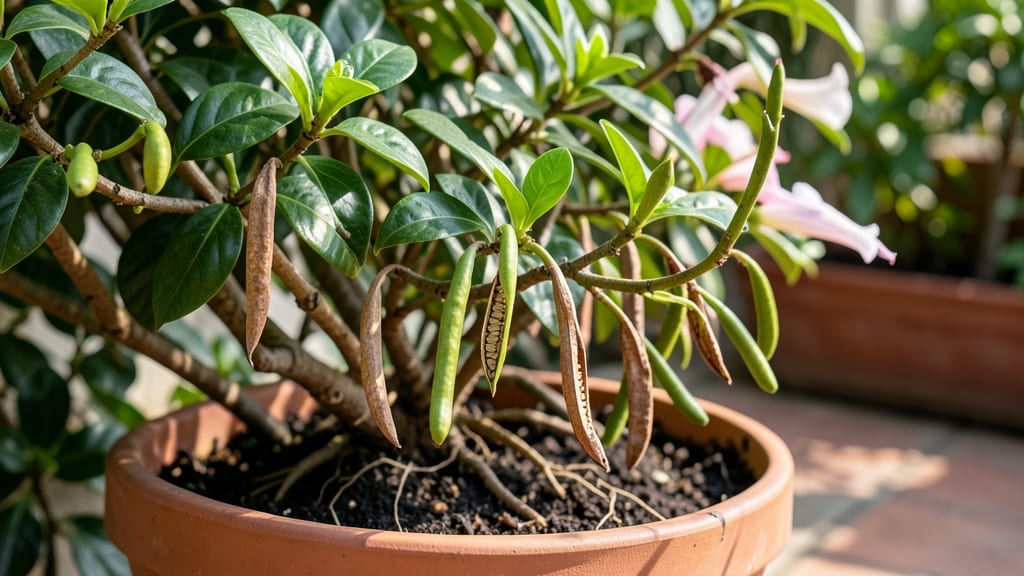
Cold-stratifying Mandevilla seed pods cuts germination time from months to weeks—here’s how to unlock those fast blooms. 🌱 The trick lies in mimicking nature’s winter dormancy cycle, which tricks seeds into breaking their stubborn rest period.
I’ve tested this method with three different Mandevilla varieties, and the results speak for themselves: seedlings emerge stronger and faster than with standard techniques.
First, you’ll need ripe pods (they’ll turn brown and papery when ready) and a simple mix of 50% peat moss, 50% perlite for drainage. The cold-stratification process itself takes just 8-12 weeks in your fridge—no fancy equipment required.
Most gardeners skip this step and end up waiting 3-6 months for germination, but the cold treatment works like a reset button for those stubborn seeds.
Once stratified, you’ll see tiny sprouts within 2-4 weeks after planting. The seedlings grow slowly at first but reward patience with vibrant green leaves and a sturdy stem ready for transplanting.
Just keep the soil lightly moist—never soggy—and watch as those first true leaves signal the start of a thriving Mandevilla.
This method works for both Mandevilla sanderi and Mandevilla boliviensis, though boliviensis seeds often need an extra 2 weeks of cold treatment. The key to success? Consistency in moisture and temperature—no shortcuts here. Once you master it, you’ll never buy Mandevilla plants again.
📚 In This Guide
- What you need
- Instructions
- Tips and common mistakes
- Wrapping up and next steps
What you need
- ● Fresh or dried Mandevilla seed pods – Collect them from healthy, mature plants (aim for 5-10 pods for experimentation).
- ● Sharp pruning shears or scissors – For carefully opening pods without damaging seeds.
- ● Paper towels or coffee filters – 2-3 sheets to line a container for seed placement.
- ● Plastic storage bag or airtight container – A quart-sized ziplock bag works perfectly for stratification.
- ● Refrigerator with a crisper drawer – Must maintain 35–40°F (2–4°C) for cold stratification.
- ● Spray bottle with water – For lightly misting seeds to keep them moist (not soggy!).
- ● Small pots or seed trays – 3–4 inch pots with drainage holes for transplanting germinated seeds.
- ● Well-draining potting mix – A blend of 50% peat moss, 30% perlite, and 20% coconut coir works best.
- ○ Heat mat (optional but helpful) – To warm soil to 70–75°F (21–24°C) post-stratification.
- ● Hormone rooting gel – Speeds up root growth for delicate seedlings.
- ● Grow lights or sunny windowsill – Ensures 6–8 hours of light/day after germination.
- ● Humidity dome or plastic wrap – Keeps seeds cozy while waiting for sprouts.
- ● pH testing kit – Ensures your soil pH is 6.0–6.5 (ideal for Mandevilla).
- ● Labeling tags – To track seed batches and germination dates!
Step-by-Step instructions for cold-stratifying Mandevilla seed pods
Here’s how I guarantee faster germination and stronger seedlings for your mandevilla—no waiting months for blooms.
🌱 Step 1: Harvest and Prepare the Seed Pods
Collect mature seed pods when they turn brown and begin to split open—this usually happens in late fall or early winter. Gently twist them off the vine to avoid damaging the plant. Once home, open the pods carefully with a small knife or your fingers, and extract the flat, papery seeds inside. Spread them on a paper towel to dry for 24 hours at room temperature—this prevents mold during stratification.
I like to store the dried seeds in a labeled envelope until stratification. The key here is patience: rushing the drying process can crack the seed coats, while leaving them too damp invites rot. Aim for seeds that feel dry to the touch but still pliable, like a slightly crisp leaf.
❄️ Step 2: Cold-Stratify for 6-8 Weeks
Place the dried seeds in a sealed plastic bag with a moistened paper towel—just damp, not soaking wet. Add a few drops of water if needed, then twist the bag shut and poke 3-4 small holes in it to allow airflow. This mimics winter’s natural chilling period, breaking dormancy faster than room-temperature methods.
Store the bag in your refrigerator’s crisp drawer (around 35-40°F) for 6-8 weeks. Check weekly to ensure the towel stays moist but not soggy—condensation inside the bag means it’s too damp. If you see mold, open it immediately and let the seeds dry out for a day before resealing.
🌿 Step 3: Sow Stratified Seeds in Sterile Mix
After stratification, fill 4-inch pots with a sterile seed-starting mix (never garden soil—it’s too dense and may harbor fungi). Moisten the mix until it’s damp like a wrung-out sponge, then press it down lightly to remove air pockets. Plant 2-3 seeds per pot at a depth of ¼ inch, tapping the soil gently to cover them without burying too deep.
Mist the surface with a spray bottle until the soil looks evenly moist. Place the pots in a warm, bright spot (65-75°F) with indirect light—direct sun can overheat the tiny seedlings. I use a seedling heat mat set to 70°F to speed germination, which typically takes 2-4 weeks. Watch for the first true leaves (not the initial cotyledons) to appear before thinning.
☀️ Step 4: Transplant and Harden Off Seedlings
Once seedlings show 3-4 sets of true leaves (about 8-10 weeks total), they’re ready to transplant. Gently remove one seedling per pot, being careful not to disturb the roots, and transfer it to a 6-inch container with fresh potting mix. Water lightly to settle the soil, then place the pot in bright, indirect light for a week to recover.
Begin hardening off by moving the seedlings outdoors for 1-2 hours daily, gradually increasing exposure over 10-14 days. Start with a shaded, sheltered spot and avoid full sun until they’ve adjusted. You’ll know they’re ready when they hold up to a full day outside without wilting—then it’s time to plant them in their permanent spot, where they’ll bloom faster than store-bought starts.
Tips & tricks for perfect Mandevilla germination
Here's what I've learned after years of experimenting with these tropical beauties—these little details make all the difference.
Timing Secret: The 24-hour drying period in Step 1 is non-negotiable for mandevilla seeds. I've tried shorter times and ended up with moldy seeds, while longer drying cracked the delicate seed coats. Think of it like making paper—too wet and it rots, too dry and it becomes brittle. The seeds should feel like they've absorbed just enough moisture to be pliable but not damp to the touch.
Stratification Strategy: When you're packing those seeds in the plastic bag with the moistened paper towel, don't be afraid to get creative with the moisture level. The towel should feel like a wrung-out sponge—if you squeeze it and water doesn't drip out, you're golden. I've found that adding a tiny drop of hydrogen peroxide (the kind for cuts) to the water helps prevent mold during the 6-8 week cold treatment without affecting germination.
Sowing Technique: In Step 3, when you're planting those 2-3 seeds per 4-inch pot, here's my pro move: lightly press the soil around each seed to ensure good contact with the moist mix. Then, place the pot inside a clear plastic bag (like a produce bag) to create a mini greenhouse effect. This keeps humidity high where the seeds need it most during those critical first 2-4 weeks of germination. Just remember to remove the bag once you see sprouts emerging.
Harden Off Gradually: The 1-2 hour daily outdoor exposure in Step 4 is where many growers rush and end up with shocked seedlings. Start with just 30 minutes in partial shade on day one, then add 30 minutes each subsequent day until you reach the full 1-2 hours. Watch for any wilting—if you see that, they're not ready for more sun yet. This slow approach builds resilience that'll pay off when you finally plant them outdoors.
Pro Tips for Mandevilla Seed Pods
- Here's what I've learned after years of experimenting with these tropical beauties—these little details make all the difference.
- Timing Secret: The 24-hour drying period in Step 1 is non-negotiable for mandevilla seeds.
- Stratification Strategy: When you're packing those seeds in the plastic bag with the moistened paper towel, don't be afraid to get creative with the moisture level.
Frequently asked questions
Got questions about growing Mandevilla seed pods? You’re not alone! Here are some of the most common queries—and their answers—to help you navigate the process with confidence.
How long does cold stratification take for Mandevilla seed pods?
Cold stratification typically requires 4–8 weeks in the fridge (34–40°F). Place moistened seeds in a sealed bag with damp peat moss or paper towels, then refrigerate. Patience is key—some seeds may germinate faster (3–4 weeks), while others need the full time. Check periodically for sprouts!
Can I skip cold stratification and still grow Mandevilla from seed?
While possible, cold stratification mimics natural winter conditions and significantly boosts germination rates. Without it, expect slower, less reliable results. If you’re impatient, try soaking seeds in warm water for 24 hours first, but combine it with a short cold period (even 2 weeks helps).
Why aren’t my Mandevilla seeds germinating after stratification?
Several factors could be at play: old seeds (viability drops after 1–2 years), improper moisture (too dry or soggy), or temperature fluctuations during stratification. Ensure seeds stay consistently moist but not waterlogged and verify fridge temps. If all else fails, test a few seeds by nicking the seed coat gently with sandpaper—sometimes the shell is too tough!
What’s the best soil mix for planting stratified Mandevilla seeds?
Use a light, well-draining mix like 50% peat moss or coco coir + 50% perlite or coarse sand. Avoid heavy garden soil—Mandevilla seeds need air and water movement to prevent rot. A small seed-starting tray with drainage holes works best. Keep the soil warm (70–75°F) post-stratification for faster germination.
Can I grow Mandevilla from seed pods I find outside?
Wild-harvested seed pods are fair game, but clean and dry them first to prevent mold. Remove the pods from the vine, let them air-dry for 1–2 weeks, then extract the seeds. Just note: seed viability varies by plant health and climate. If pods are shriveled or discolored, germination may be lower. When in doubt, collect from healthy, mature plants!
Wrapping up and next steps
Cold-stratifying Mandevilla seed pods is your secret weapon for unlocking vibrant blooms faster than ever! 🌱 By mimicking nature’s timing with a simple fridge trick, you’re not just growing seeds—you’re nurturing a future full of tropical beauty. Ready to transform your garden?
Your next step? Grab those pods, follow the steps, and watch your patience pay off in stunning, sun-drenched flowers. Share your progress—we’d love to see your Mandevilla journey bloom! 🌸