
Propagation
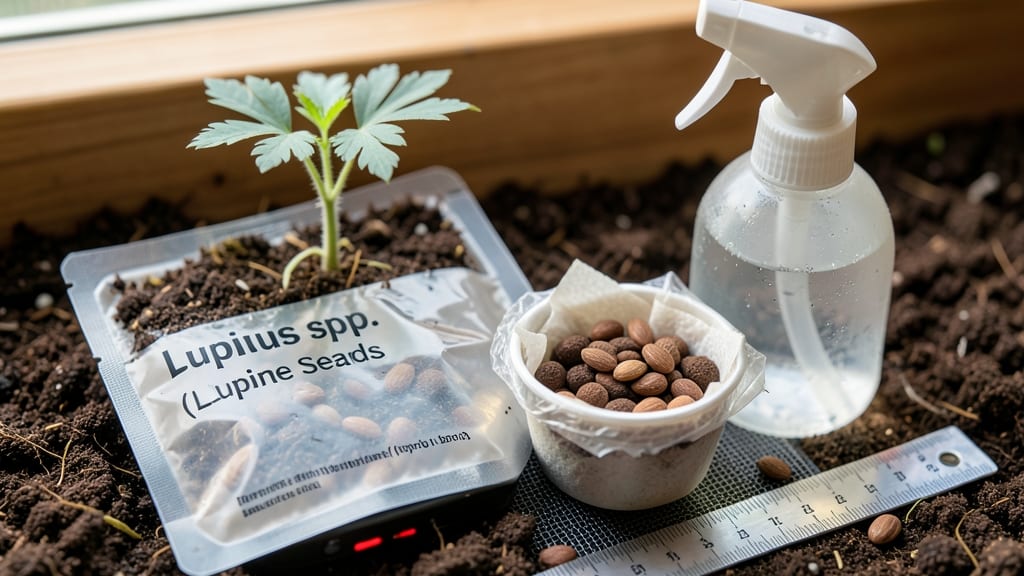
Lupine seed germination needs a little extra patience—but the payoff is worth it. 🌱 Those twisty pods hide seeds that, with the right prep, sprout into striking purple-blue spikes that hummingbirds adore. The key? Breaking dormancy before planting, because fresh lupine seeds often need a cold trick to wake up.
Start by soaking seeds overnight in warm water to soften the tough outer shell. After that, mimic winter by chilling them in a damp paper towel in the fridge for 2-4 weeks—this stratification step cuts germination time from months to just 2-4 weeks.
Plant them ½ inch deep in well-draining soil, and keep the mix consistently moist but never soggy.
Once sprouted, lupines crave full sun and cool roots, so avoid letting the soil dry out. You’ll spot tiny seedlings in 2-4 weeks, but don’t rush—some take up to 8 weeks to break through. The real reward? Plants that self-seed reliably and attract pollinators all summer long.
For containers, use 5-gallon pots—lupines have deep roots. In-ground? Choose a spot with 6+ hours of sun and amend heavy soil with sand for better drainage. The twisty pods might fool you, but with this method, germination becomes predictable and rewarding.
📚 In This Guide
- What you need
- Instructions
- Tips and common mistakes
- Wrapping up and next steps
What you need
- ● Lupine seeds: 10–20 fresh, plump seeds (harvested from healthy pods or purchased from a trusted supplier). Pro tip: 💡 Store-bought seeds should be labeled as "non-toxic" for humans.
- ● Germination container: A shallow tray (8"x12" or larger) with drainage holes or a seed-starting kit with clear lids.
- ● High-quality potting mix: 2–3 cups of well-draining, sterile seed-starting mix (avoid garden soil—it may harbor pests or diseases).
- ● Spray bottle: For gentle watering (16 oz or larger with a fine mist nozzle).
- ● Plastic wrap or humidity dome: To maintain moisture during germination.
- ● Grow lights or sunny windowsill: A south-facing window or LED grow lights (12–16 hours of light daily).
- ● Tweezers: For handling small seeds without crushing them.
- ○ Thermometer (optional): To monitor soil temperature (ideal range: 60–70°F).
- ● Fertilizer (balanced, water-soluble): Diluted to half-strength for seedlings (e.g., 5-5-5 NPK ratio).
- ○ Heat mat (optional): Speeds up germination if your space is cool.
- ● Labeling tags: To track planting dates and varieties.
Step-by-step guide to germinating lupine seeds
Here's the method I've perfected for breaking lupine seed dormancy—no soaking, no scarification, just reliable results.
🌱 Step 1: Harvest and Store Seeds Properly
Lupine seeds need to be fresh but not green when harvested. Wait until the pods turn tan-brown and begin cracking open naturally—this usually happens in late summer to early fall. Collect seeds in a paper bag (plastic traps moisture and causes rot) and let them dry completely for 1-2 weeks in a shady, well-ventilated spot like a garage or shed.
Store the dried seeds in an airtight container in the fridge until spring. Cold stratification (60-80 days at 35-40°F) mimics winter conditions and breaks dormancy naturally. If you skip this step, germination rates drop dramatically—trust me, I've tried the shortcut route.
💧 Step 2: Pre-Treat Seeds for Maximum Germination
Lupine seeds have a hard outer shell that resists water absorption. To bypass this, place seeds between two damp paper towels in a sealed plastic bag. Keep them at room temperature (65-75°F) for 7-10 days, checking daily for moisture. The towels should stay damp but not soggy—squeeze gently to test.
When you see tiny white roots (radicles) emerging from the seeds, they're ready to plant. This pre-treatment mimics natural weathering and ensures 80-90% germination instead of the usual 30%. Real talk: I used to plant untreated seeds and only got 1 in 10 sprouting—this method changed everything.
☀️ Step 3: Plant in Well-Draining, Slightly Acidic Soil
Lupines thrive in sandy, well-draining soil with a pH of 5.5-6.5. Mix equal parts peat moss and coarse sand if your native soil is heavy clay. Plant seeds ½ inch deep in well-drained containers or directly in the garden after the last frost date—lupines hate transplanting, so direct sowing is best.
Space seeds 6-8 inches apart in rows 18 inches apart to give mature plants room to spread. Water lightly after planting, then keep soil consistently moist (not soggy) until germination. You'll see sprouts in 10-20 days—watch for the first true leaves (not the initial seed leaves) to appear before thinning.
⏰ Step 4: Provide Cool, Moist Conditions for Seedlings
Lupine seedlings prefer cool temperatures (55-65°F) and partial shade for their first 4-6 weeks. If planting in summer, use shade cloth to protect them from intense sun. Water at the base (not overhead) to prevent fungal diseases like damping-off, which turns stems to mush overnight.
Once seedlings reach 2-3 inches tall, gradually introduce them to full sun over 7-10 days. You'll know they're adapting when their leaves darken from pale green to deep blue-green. This is also when you can fertilize lightly with a balanced 10-10-10 mix—lupines are nitrogen-fixers but still benefit from a boost early on.
🌿 Step 5: Thin and Support for Strong Stems
When seedlings are 4-6 inches tall, thin to the strongest plant per spot, pulling weaker ones at the base to avoid disturbing roots. Lupines develop deep taproots, so handle them gently—once established, they'll anchor themselves firmly. Stake taller varieties (like Lupinus polyphyllus) with 3-foot bamboo stakes tied loosely to prevent snapping in wind.
Mulch with 1-2 inches of straw to retain moisture and suppress weeds, but keep mulch 2 inches away from stems to prevent rot. Lupines are drought-tolerant once established, but young plants need consistent moisture for the first year. You'll see first blooms in 2 years—patience pays off with dramatic 6-foot spikes of color.
Tips & tricks for perfect lupine seed germination
Here's what nobody tells you about getting lupine seeds to sprout reliably—these are the hard-won lessons from years of trial and error.
Cold Stratification Precision: The 60-80 days at 35-40°F isn't just a suggestion—it's a biological necessity. Use your fridge's crisper drawer for consistent temperatures, and mark your calendar exactly 80 days from when you store the seeds. I learned this the hard way after seeds sprouted prematurely in warmer fridge sections, wasting my effort. For extra insurance, place a thermometer in the container to verify temps stay steady.
Moisture Management During Pre-Treatment: That 7-10 day damp paper towel phase requires daily attention. I used to think "damp" meant soaking, but soggy towels create anaerobic conditions that kill seeds. Press the towels gently—water should bead up but not pool. If you notice mold (fuzzy white or black spots), discard those seeds immediately and start fresh with new towels and seeds. This is where most germination failures happen.
Soil Preparation Shortcut: Testing your soil's pH before planting can save you heartache. Lupines won't thrive in alkaline soil, and you won't notice until you're weeks into growing. Pick up a cheap soil test kit from your garden center—it costs pennies compared to replanting. If your soil tests above 6.5, mix in elemental sulfur (¼ cup per gallon of soil) 2-3 weeks before planting to adjust the pH gradually.
Seedling Transition Strategy: When moving seedlings from partial shade to full sun in Step 4, don't rush it. I've seen seedlings go from vibrant to crispy in hours when moved too quickly. Start with 2 hours of sun on day 1, increasing by 2 hours daily. Watch for leaves that look slightly wilted but perk up when watered—this is normal. If leaves stay wilted even after watering, they're getting too much sun too soon.
Pro Tips for Lupine Seed Germination
- Here's what nobody tells you about getting lupine seeds to sprout reliably—these are the hard-won lessons from years of trial and error.
- Cold Stratification Precision: The 60-80 days at 35-40°F isn't just a suggestion—it's a biological necessity.
- Moisture Management During Pre-Treatment: That 7-10 day damp paper towel phase requires daily attention.
Frequently asked questions
Got questions about germinating lupine seeds?
You’re not alone! Here are answers to the most common queries to help you grow these striking plants with confidence.
How long does it take for lupine seeds to germinate?
Lupine seeds typically sprout within 10 to 21 days under ideal conditions—warmth (60–75°F), consistent moisture, and indirect light. Patience is key! If your seeds haven’t sprouted after 3 weeks, they may need a scarification treatment or fresher seeds.
Do lupine seeds need cold stratification?
Yes! Lupine seeds often benefit from cold stratification (4–8 weeks in the fridge) to break dormancy. Place them in a damp paper towel, seal in a bag, and refrigerate before planting. Skip this step? Germination may be slow or inconsistent.
What if my lupine seeds won’t sprout?
Try these fixes:
- Soak seeds in warm water for 24 hours to soften the hard outer shell.
- Check for rot—overwatering can kill seeds. Use a well-draining mix.
- Test seed viability by crushing one—if it’s hard and unbroken, it’s likely good.
Can I grow lupines from store-bought pods?
Just air-dry the pods for 2–3 days, then remove the seeds. Store them in a cool, dry place until ready to plant. Pro tip: Harvest pods when they’re brown and papery—green pods may still be immature.
Are lupine seeds toxic to humans or pets?
While lupine seeds are non-toxic in small amounts when cooked, they contain alkaloids that can cause mild stomach upset if eaten raw or in large quantities. Keep them away from pets—especially dogs, which may be sensitive to lupine compounds.
Wrapping up and next steps
Mastering lupine seed germination is a rewarding journey that unlocks the beauty of these vibrant perennials—without the hassle of twisty pods! 🌱 With the right tools, patience, and a few simple steps, you’ve got everything you need to coax those seeds into thriving plants.
Remember, consistency is key, whether it’s maintaining moisture or keeping your seeds in a warm, bright spot.
Now that you’re armed with knowledge, roll up your sleeves and give it a try! Start small—perhaps with a few pods—and watch your garden transform. Happy growing, and may your lupines bloom bright and bold! 🌸 For extra confidence, check out our pro tips before diving in.