
Lawn
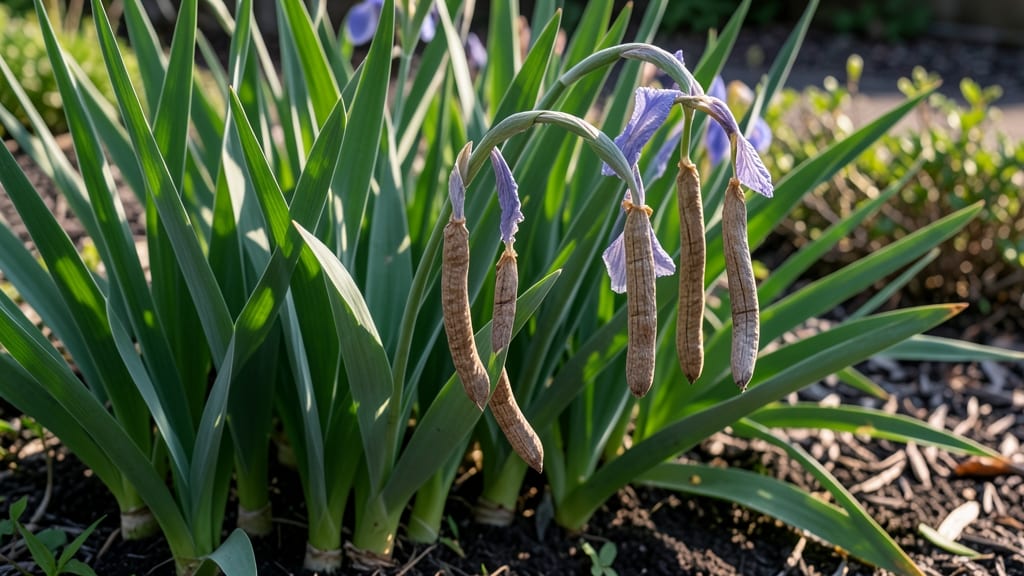
Harvesting Louisiana iris seed pods before they twist and shatter means saving seeds that'll grow into stunning, hardy plants next spring. 🌿 I learned the hard way that waiting too long turns those plump pods into brittle husks—now I know exactly when and how to collect them for the best results.
The key is timing: pods turn from green to brown in late summer, just before they start twisting. You'll need a pair of sharp pruners, a paper bag for collecting, and a sunny spot to dry the seeds.
Once you've got them, split open the pods to reveal the flat, dark seeds inside—each one a potential new iris plant. With proper drying and storage, these seeds stay viable for months, giving you a head start on next year's garden. The payoff?
Vibrant blooms that thrive in Louisiana's heat and humidity, with colors that range from deep purple to sunny yellow. Works for both gardeners with established beds and those starting new collections. Here's how to do it right the first time—no more lost seeds or wasted pods!
📚 In This Guide
- What you need
- Instructions
- Tips and common mistakes
- Wrapping up and next steps
What you need
- ● Louisiana iris plants (mature, healthy specimens with seed pods—look for plump, dried pods in late summer/fall).
- ● Sharp pruning shears or scissors (sterilized with rubbing alcohol to prevent disease).
- ● Paper bags or breathable mesh bags (1–2 per pod; avoid plastic to prevent moisture buildup).
- ● Labeling tags or masking tape + marker (to note harvest date and iris variety).
- ● Paper towels or newspaper (for drying seeds indoors).
- ● Small airtight containers or seed envelopes (for long-term storage—think glass jars with silica gel or paper envelopes).
- ○ Fine-mesh strainer or sifter (optional, for separating seeds from chaff).
- ○ Hand lens or magnifying glass (optional, to inspect seed viability).
- ● Wait until pods are fully dried and brown (typically late August–October in Louisiana’s climate).
- ● Harvest on a dry, sunny day to minimize mold risk.
- ● Work in a clean, well-ventilated area (like a garage or porch).
- ○ Wear gloves (optional, but helpful if you’re sensitive to plant fibers).
Step-by-step guide to harvesting Louisiana iris seed pods
Here's how to collect and store Louisiana iris seed pods the right way—no twisting required.
🌱 Step 1: Identify Mature Seed Pods
Louisiana iris seed pods mature in late summer to early fall, typically 8-10 weeks after flowering. Look for pods that are plump, dry, and brown—they should feel firm when gently squeezed. Avoid harvesting green or soft pods, as they won’t contain viable seeds. I check mine weekly in September, running my fingers along the stems to spot the mature ones.
This is the moment that matters: if you harvest too early, the seeds won’t be fully developed. If you wait too long, the pods may split open on their own, scattering seeds before you can collect them. A good rule of thumb is to harvest when about 70% of the pods on a plant have turned brown.
🌿 Step 2: Gather Pods Without Damaging the Plant
Use clean, sharp scissors or pruning shears to snip the pods just above the first visible node on the stem. This prevents damaging the rhizome and encourages new growth. I like to place a small basket or bucket nearby to collect the pods as I go—this keeps them organized and prevents dropping them on the ground.
Don’t pull or twist the pods off the stem, even if they seem ready to fall. Twisting can damage the plant and reduce next year’s blooms. Instead, cut cleanly and gently. If a pod feels hollow or crumbly when tapped, it’s past its prime and should be discarded.
🪴 Step 3: Dry and Store Seed Pods Properly
Spread the harvested pods in a single layer on a mesh screen or paper towel in a dry, well-ventilated area. Keep them out of direct sunlight, which can cause them to overheat and crack open. I place mine in a shaded spot indoors or under a covered porch. This drying process takes 1-2 weeks, depending on humidity levels.
Once the pods are completely dry, store them in a paper envelope or breathable fabric bag. Avoid plastic containers, as they trap moisture and encourage mold. Label each bag with the harvest year and variety if you’re growing multiple types. Store them in a cool, dark place—a basement or pantry works well.
⏰ Step 4: Extract and Plant Seeds in Spring
Wait until early spring to open the dried pods and extract the seeds. Gently squeeze each pod to release the small, flat seeds inside. Louisiana iris seeds are tiny, so I use a fine-mesh strainer to catch any that might fall through. Plant them ¼ inch deep in a moist, well-draining seed-starting mix in a shallow tray.
Keep the soil consistently moist but not soggy, and place the tray in a warm, bright spot with indirect light. Germination can take 4-8 weeks, so patience is key. Once seedlings emerge, thin them to 2 inches apart and provide bright, filtered light to prevent leggy growth.
☀️ Step 5: Transplant Seedlings for Long-Term Growth
After 8-10 weeks, when seedlings have 3-4 true leaves, transplant them into individual pots or directly into the garden. Choose a location with partial shade to full sun and moist, slightly acidic soil. Louisiana irises thrive in USDA zones 4-9, so adjust planting times based on your local frost dates.
Water the seedlings deeply after transplanting to help them establish roots. Mulch around the base with 2-3 inches of organic matter to retain moisture and regulate soil temperature. Real talk: the first year might not produce blooms, but with proper care, your Louisiana irises will reward you with stunning flowers for years to come.
Tips & tricks for perfect Louisiana iris seed pod harvesting
Here's what nobody tells you about making this process smoother—and ensuring those seeds stay viable.
Timing is Everything: September is the sweet spot for harvesting Louisiana iris seed pods, but don't wait until the first frost. If you're in a cooler climate, aim for early September when about 70% of pods have turned brown. I've learned the hard way that waiting too long means the pods split open naturally, scattering seeds everywhere. A quick check with your fingers—firm pods are ready, soft ones are past their prime.
Tool Selection Matters: Skip the garden shears if they're dull—they'll crush the pods and damage stems. Instead, use clean, sharp pruning shears or even kitchen scissors in a pinch. Cut just above the first visible node on the stem to avoid harming the rhizome. I keep a small basket nearby to collect pods as I go, which prevents them from rolling away or getting lost in the grass.
Drying Done Right: The 1-2 week drying period is critical, but don't rush it. Spread pods in a single layer on a mesh screen in a dry, shaded spot. Direct sunlight can cause them to overheat and crack open prematurely. I've had success using an old window screen covered with a clean towel—it lets air circulate while keeping out pests. A fan on low can help speed up drying in humid climates, but don't blast them directly.
Storage Secrets: Paper envelopes or breathable fabric bags are your best friends for long-term storage. Plastic containers trap moisture, which leads to mold. I label each bag with the harvest year and variety—this has saved me from mixing up different iris types later. Store them in a cool, dark place like a basement or pantry, where temperatures stay consistent. These pods can last for years if stored properly!
Pro Tips for Louisiana Iris Seed Pods
- Here's what nobody tells you about making this process smoother—and ensuring those seeds stay viable.
- Timing is Everything: September is the sweet spot for harvesting Louisiana iris seed pods, but don't wait until the first frost.
- Tool Selection Matters: Skip the garden shears if they're dull—they'll crush the pods and damage stems.
Frequently asked questions
When is the best time to harvest Louisiana iris seed pods?
The ideal time to harvest Louisiana iris seed pods is in late summer to early fall (August–October), when the pods turn brown and begin to split open. Harvest them before they release seeds naturally to prevent self-sowing. Wait until they’re fully mature but still intact for the best viability.
Can I save Louisiana iris seeds from store-bought plants?
No—store-bought Louisiana iris plants are typically sterile hybrids and won’t produce viable seed pods. For seeds, you’ll need to grow them from seed-grown rhizomes or collect pods from mature, disease-free plants in your garden. Check local nurseries or iris societies for seed sources!
How do I store harvested seed pods for long-term saving?
Store pods in a cool, dry place (50–60°F) with low humidity in a paper bag or breathable container. Avoid plastic to prevent mold. Keep them away from direct sunlight until ready to plant. Pro tip: Label pods with the harvest date for tracking!
Why aren’t my Louisiana iris pods opening or producing seeds?
Pods may fail to open or produce seeds due to lack of pollination, immature plants (under 3 years old), or disease/pests. Hand-pollinate with a soft brush if bees are scarce. Ensure plants get full sun (6+ hours) and well-draining soil. Troubleshoot: Check for iris borers or fungal spots.
Are Louisiana iris seed pods edible or useful for anything besides propagation?
No, Louisiana iris seed pods are not edible and have no culinary or medicinal uses. Their primary purpose is propagation. However, their unique texture and shape make them interesting for dried floral arrangements or eco-friendly craft projects!
Wrapping up and next steps
Growing Louisiana iris seed pods is a rewarding way to expand your garden naturally—without the frustration of twisting stems! By following these simple steps, you’ve learned how to harvest, dry, and store seeds for year-round viability.
Whether you’re a seasoned gardener or a curious beginner, these techniques ensure your next batch of irises will thrive with ease.
Ready to put your green thumb to work? Start by marking your calendar for next season’s harvest—then share your success with fellow plant lovers! 🌱✨