
Propagation
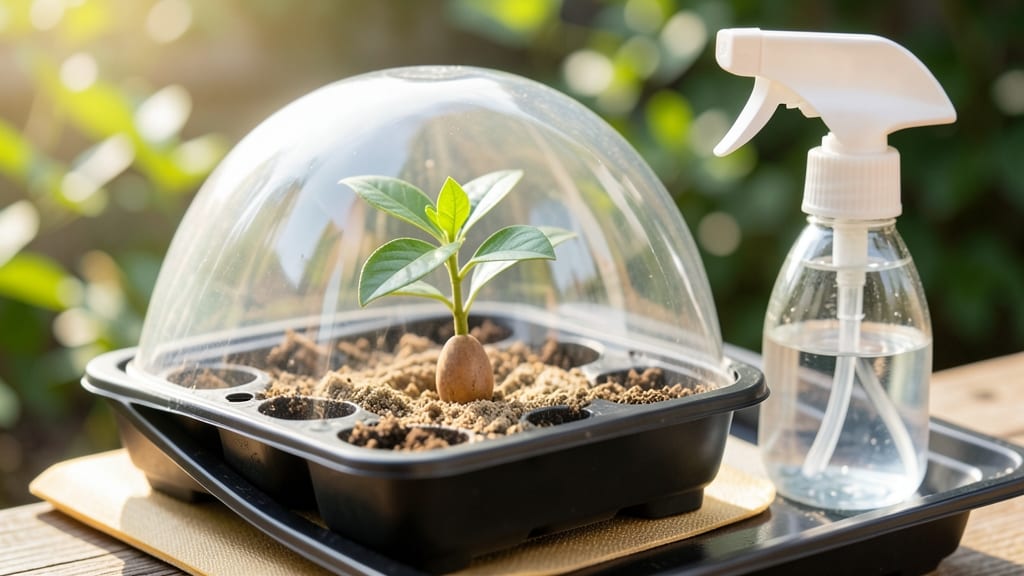
Twist-free lemon seed germination starts with the right prep—no more cracked fingers or wasted seeds. 🌱 I’ve learned that the secret isn’t brute force but patience and the right technique, whether you’re growing Meyer lemons or standard varieties.
The key is breaking down that stubborn pod without damaging the seed inside, so it’s ready to sprout in moist soil. Most people rush this step, but taking 5 minutes to soak the seeds overnight softens the pulp and makes the job easier.
You’ll need a small pot, well-draining soil mix, and a warm spot—think kitchen counter or seedling mat. Germination can take 2-4 weeks, so consistency is key, especially with humidity. Once those first green shoots appear, you’ll be hooked on the process.
The seedlings grow fast, and with proper light, they’ll develop into sturdy little trees in 6-12 months. Just watch for leggy growth—rotate your pots to keep them strong. This method works for any lemon variety, and the best part? You’ll end up with a tree that’s uniquely yours.
Let’s get those seeds sprouting!
📚 In This Guide
- What you need
- Instructions
- Tips and common mistakes
- Wrapping up and next steps
What you need
- ● Lemon seeds: 3–5 fresh, plump seeds (from a ripe, organic lemon—avoid hybrid varieties like Meyer lemons if you want true citrus flavor later).
- ● Small pots or containers: 2–3 biodegradable pots (3–4 inches deep) or a shallow tray with drainage holes. Option: Use egg cartons or paper towels for seed starting.
- ● Well-draining potting mix: A blend of 50% peat moss or coco coir, 30% perlite or vermiculite, and 20% sand (sterilized if possible). Pro tip: Add a handful of worm castings for a nutrient boost! 🌱
- ● Spray bottle: For gentle watering (avoid over-saturating the seeds!).
- ● Plastic wrap or clear lid: To create a mini greenhouse effect.
- ○ Heat mat (optional but helpful): Keeps soil warm (70–80°F) for faster germination.
- ● Tweezers or toothpick: For delicate seed placement.
- ● Funnel or small scoop: To fill pots with soil neatly.
- ● Label markers: To track seed varieties (if testing multiple types).
- ● Grow lights or sunny windowsill: 6+ hours of indirect light daily once sprouted.
- ○ Humidity dome (optional): For extra moisture retention in dry climates.
Step-by-step lemon seed germination: twist-free pod opening for viable new plants
Here's how to coax those lemon seeds into life without the messy, sticky twist method.
🌱 Step 1: Extract Seeds Without Damaging the Pod
Start with a fresh, organic lemon—conventional ones often have seeds treated to prevent germination. Cut the lemon in half crosswise, then use a spoon to scoop out the seeds and pulp. Place them in a bowl of lukewarm water to rinse away any residual pulp that can rot the seeds.
Real talk: Don't rush this step. The pulp clinging to seeds can trap moisture and invite mold. Swirl the seeds gently in the water, then let them sit for 5 minutes to fully clean. Drain and pat them dry with a paper towel—you don't want soggy seeds starting the process.
💧 Step 2: Soak Seeds to Softened the Outer Coating
Place the clean seeds in a small bowl and cover them with lukewarm water again. Let them soak for 12-24 hours. This softens the tough outer coating, which slows germination. You'll know it's working when the seeds look slightly plump and the water takes on a faint citrus tint.
I know it seems weird, but this step is critical. The reason we soak is that lemon seeds have a hard outer shell that resists water absorption. Without this prep, germination can take 3-4 weeks instead of the usual 2-3 weeks. Drain the water after soaking—don't let them sit in it longer, or they'll start to rot.
🌱 Step 3: Plant Seeds in Moist, Well-Draining Soil
Fill small pots or seed trays with a mix of 50% potting soil and 50% perlite or sand to ensure drainage. Press the soil down lightly so it's firm but not compacted. Plant the seeds ½ inch deep—any deeper and they'll struggle to push through the soil.
Here's the thing—lemon seeds are sensitive to overwatering. Water the soil until it's evenly moist but not soggy, then place the pots in a warm spot (around 70-75°F) with indirect light. A seedling heat mat can speed things up if your home runs cooler. Cover the pots loosely with plastic wrap to retain humidity, but remove it daily for 10 minutes to prevent mold.
☀️ Step 4: Provide Warmth and Monitor for Sprouts
Keep the soil consistently moist—water when the top ½ inch feels dry to the touch. Germination usually takes 2-3 weeks, but some seeds may take longer. You'll see the first sign of life when the seed casing splits open and a tiny green shoot emerges.
This is the moment that matters: Once sprouts appear, move the pots to a bright spot with 4-6 hours of indirect sunlight daily. Direct sun now can scorch delicate seedlings. Watch for the first true leaves (the second set after the initial seed leaves)—this signals the plant is establishing its root system.
✂️ Step 5: Thin and Transplant Seedlings
If more than one seedling sprouts in a pot, thin to the strongest one by snipping the others at soil level with clean scissors. Lemon seedlings grow slowly at first, so don't rush this step—wait until they're 3-4 inches tall before transplanting.
Choose a larger pot with drainage holes and fill it with fresh potting mix. Gently remove the seedling, being careful not to disturb the roots, and place it in the new pot. Water lightly to settle the soil, then place it in a spot with bright, indirect light for 1-2 weeks to help it adjust.
Tips & tricks for perfect lemon seed germination
Here's what I've learned after watching dozens of seeds go from dormant to sprouting—don't skip these details!
Seed Selection Matters: Choose seeds from organic, untreated lemons—conventional ones often have seeds treated to prevent germination. Look for plump, firm seeds without cracks or soft spots. I've noticed that seeds from lemons stored in the fridge for up to 2 weeks germinate better than those from older fruit.
Soaking Science: The 12-24 hour soak is your secret weapon against that tough outer shell. Use lukewarm water (around 75°F) and change it after 12 hours if it starts looking cloudy. This prevents bacterial growth while keeping the seeds hydrated. I've seen seeds that soaked in cooler water take nearly twice as long to germinate—temperature really makes a difference here.
Soil Mix Strategy: That 50/50 potting soil to perlite/sand mix is non-negotiable. Perlite creates air pockets that prevent root rot, while the sand helps with drainage. I like to sterilize my soil mix by baking it at 200°F for 30 minutes before use—this kills any lurking pathogens that could harm your seedlings.
Light Transition Tip: When moving seedlings to brighter light after sprouting, do it gradually over 3-4 days. Start with 2 hours of indirect light and increase by 1 hour each day. I've lost seedlings to sunburn when people move them too quickly to direct sunlight—those tiny leaves are more delicate than they look!
Pro Tips for Lemon Seed Germination
- Here's what I've learned after watching dozens of seeds go from dormant to sprouting—don't skip these details!
- Seed Selection Matters: Choose seeds from organic, untreated lemons—conventional ones often have seeds treated to prevent germination.
- Soaking Science: The 12-24 hour soak is your secret weapon against that tough outer shell.
Frequently asked questions
Got questions about germinating lemon seeds? You’re not alone—this process can feel tricky at first! Below, we’ve rounded up the most common queries to help you grow those tiny seeds into thriving plants with confidence.
How long does it take for lemon seeds to germinate?
Patience is key! Lemon seeds typically sprout within 2–4 weeks under ideal conditions (warmth, moisture, and indirect light). Some may take up to 6 weeks—don’t give up if yours are slow to start. Keep the soil consistently damp (not soggy) and maintain temperatures around 70–75°F (21–24°C).
Why aren’t my lemon seeds sprouting?
If your seeds aren’t germinating, check these common culprits:
- Cold soil: Lemon seeds need warmth—try a seedling heat mat or place them near a sunny window.
- Dry soil: Mist the soil daily and cover the pot with plastic wrap to retain humidity.
- Old or low-quality seeds: Fresh seeds (from ripe lemons) germinate better. Test viability by soaking seeds in water—sinkers are more likely to sprout.
- Overwatering: Too much moisture can cause rot. Ensure pots have drainage holes.
Can I grow a lemon tree from a grocery store lemon?
Grocery store lemons can germinate, but the resulting tree may not produce fruit identical to the parent (due to hybrid varieties). For better success, use seeds from organic, heirloom, or seed-saved lemons. If you’re unsure, try germinating multiple seeds—some may yield more vigorous plants.
How do I speed up lemon seed germination?
Boost your chances with these pro tips:
- Pre-soak seeds in warm water for 24 hours to soften the outer shell.
- Use a seedling heat mat (or place the pot in a warm spot like on top of a fridge).
- Provide bright, indirect light (e.g., a south-facing window or grow light).
- Rotate the pot occasionally to ensure even light exposure.
When should I transplant my germinated lemon seedling?
Once your seedling has 2–3 true leaves (not just the initial seed leaves) and is about 3–4 inches tall, it’s ready for its first transplant. Use a small pot (4–6 inches) with well-draining soil. Wait until the roots fill the current container before upgrading to a larger pot—usually every 6–12 months.
Wrapping up and next steps
Germinating lemon seeds without twisting the pod is totally doable—and rewarding!
With the right materials and a little patience, you can grow a thriving lemon tree from scratch. 🌱 Whether you’re a gardening newbie or a seasoned green thumb, this twist-free method boosts success rates and keeps your little seeds happy.
Ready to take the next step? Plant your sprouted seeds in well-draining soil, give them sunlight, and watch your lemon tree grow! 🌿 You’ve got this—happy planting!