
Planting
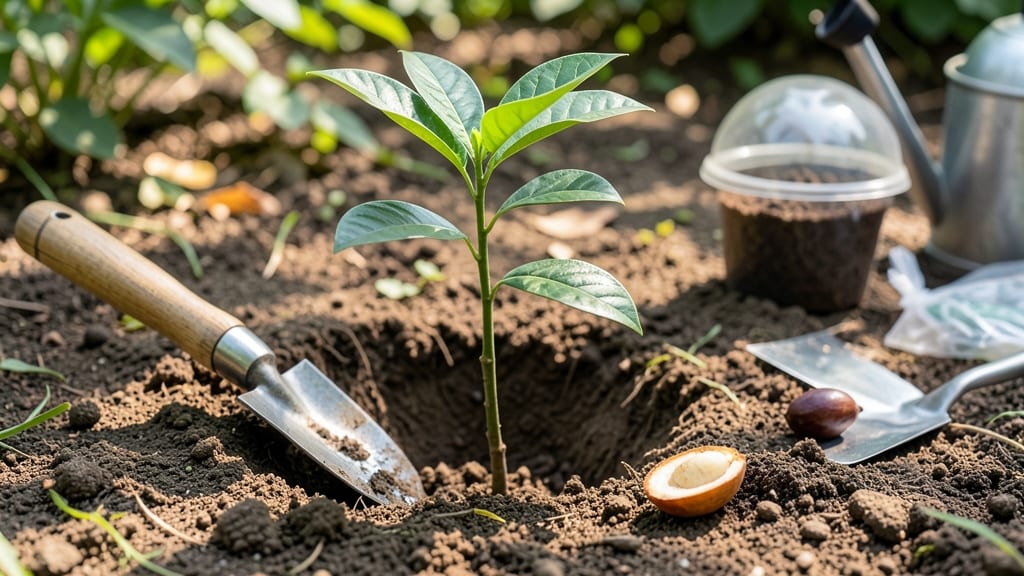
Planting a mango seed in soil turns a kitchen scrap into a potential 50-foot tree. 🌱 I’ve watched these seeds sprout into sturdy seedlings with just a little patience—and a few key tricks to speed up germination.
The process starts with a simple container, damp paper towels, and a warm spot, but the real magic happens when you transfer that first sprout into soil.
You’ll need a well-draining potting mix, a small pot with drainage holes, and a sunny windowsill or greenhouse setup. The seedling stage is delicate, so keep the soil consistently moist (not soggy) and protect it from drafts.
Most seeds take 2-4 weeks to crack open, but some stubborn ones wait months—don’t give up too soon. Once the first leaves appear, it’s time to move it into soil and start nurturing that future tree.
By the time your seedling reaches 6 inches tall, you’ll be pinching back the top growth to encourage bushier roots. The goal is a sturdy plant ready for transplanting outdoors (if you’re in a warm climate) or a larger container.
With proper care, you could see your first mango blossoms in 3-5 years, though fruiting takes even longer—patience is key here.
This method works indoors or outdoors, though tropical climates give the best results. If you’re in a cooler zone, treat it as a houseplant until it’s established. The biggest challenge? Germination timing—some seeds take forever, while others surprise you with speed. Either way, the journey is half the fun.
📚 In This Guide
- What you need
- Instructions
- Tips and common mistakes
- Wrapping up and next steps
What you need
- ● Ready to grow your own mango tree from a seed? 🌱 Here’s everything you’ll need to get started—no fancy tools required, just a few simple supplies!
- ● Pro tip: 💡 If your seed is large or fibrous, soak it in water for 24 hours before planting to soften the shell and kickstart germination!
Step-by-Step instructions for germinating a mango tree from seed
Turn that grocery store pit into a thriving sapling with these simple, foolproof steps.
🌱 Step 1: Prepare the Mango Seed for Planting
Start by cleaning the seed thoroughly under running water to remove any remaining fruit flesh. I like to use a soft toothbrush to scrub away stubborn bits—this prevents mold later. Once clean, let it dry completely for 24 hours on a paper towel. The seed is ready when it feels slightly dry to the touch but doesn't crumble.
Here's the thing—mango seeds need a little warmth to germinate. I place them between two damp paper towels, roll them up, and secure them with a rubber band. Keep them in a warm spot (75-85°F) like on top of the fridge or near a sunny window. Check daily to keep the towels moist but not soggy. You'll see a tiny sprout in 2-4 weeks—that's your signal to move to soil.
🪴 Step 2: Choose and Prepare the Planting Container
Use a 4-6 inch diameter pot with drainage holes—plastic or terracotta works fine. Fill it with a mix of 50% potting soil and 50% perlite or sand to improve drainage. Mango roots hate sitting in wet soil, so this prevents rot. Moisten the mix until it feels like a damp sponge.
Plant the sprouted seed 1 inch deep, with the sprout facing upward. Gently pat the soil around it to secure it without compacting. Place the pot in a bright, indirect light spot—direct sun can scorch the delicate seedling. A south-facing window with sheer curtain works perfectly.
☀️ Step 3: Maintain Ideal Growing Conditions
Water the seedling when the top inch of soil feels dry, which should be about every 3-4 days. I use a spray bottle to mist the soil gently—this keeps moisture even without drowning the roots. Too much water causes the seedling to yellow and wilt. You'll know you're doing it right when the soil looks damp but not soaked.
After 4-6 weeks, when the seedling has 2-3 sets of true leaves, it's time to transplant to a larger 1-gallon pot. Keep it in the same warm, bright spot. Mango seedlings grow slowly at first, but they'll eventually reach 6-12 inches tall in their first year. Patience is key—real talk, it's easy to get discouraged, but don't give up.
✂️ Step 4: Transition to Outdoor Conditions
Once the weather warms to above 50°F at night, start hardening off the seedling. Place it outside in a sheltered spot for 1-2 hours the first day, then gradually increase time over 2 weeks. Watch for leaves curling or wilting—this means it's getting too much sun or wind. A shaded patio or under a tree works well.
After 2 weeks of outdoor time, you can plant it in the ground or a larger container if you're keeping it potted. Mango trees need full sun (6+ hours daily) and well-draining soil. If you live in a cooler climate, keep it in a pot and bring it indoors during winter—mangoes are tropical and can't handle frost.
Tips & tricks for germinating a mango tree from seed
Here's what nobody tells you about turning kitchen scraps into a thriving mango tree.
Warmth is Everything: That 75-85°F range in Step 1 isn't just ideal—it's critical. If your kitchen stays cooler than 70°F, consider using a seedling heat mat (they're cheap!) or placing the damp towel-wrapped seed on top of your fridge. I've seen seeds take twice as long to sprout when kept in a 65°F room. Trust me on this: warmth speeds up germination from weeks to days.
Visual Cues for Germination: In Step 1, you'll know your seed is ready to move to soil when you see a tiny white root breaking through the seed coat—this happens first! The sprout itself will appear later. Don't wait for both to show up before transplanting; that root grows fast and can get damaged if you delay. I've ruined three seeds by waiting too long.
Soil Mix Matters: The 50/50 potting soil and perlite/sand mix in Step 2 prevents two common problems: root rot and compacted soil. If you don't have perlite, coarse sand or even small gravel works in a pinch. The key is ensuring water drains quickly—mango roots can't handle soggy conditions. I've seen seedlings die within days from overwatered, poorly draining soil.
Light Transition Strategy: When moving your seedling outdoors in Step 4, start with just 1-2 hours of morning sun—it's less intense than afternoon rays. Gradually increase exposure over those two weeks. I've lost seedlings that went from indoor shade to full sun too quickly. Watch for leaves that look like they've been sunburned (white or brown patches)—that's your signal to move it to more shade.
Pro Tips for Plant Mango Seed In Soil
- Here's what nobody tells you about turning kitchen scraps into a thriving mango tree.
- Warmth is Everything: That 75-85°F range in Step 1 isn't just ideal—it's critical.
- Visual Cues for Germination: In Step 1, you'll know your seed is ready to move to soil when you see a tiny white root breaking through the seed coat—this happens first!
Frequently asked questions
Got questions about growing a mango tree from seed?
Here are answers to the most common ones—so you can skip the guesswork and focus on nurturing your future fruit tree!
How long does it take for a mango seed to sprout?
A mango seed typically takes 2–4 weeks to sprout after planting, depending on soil warmth (ideal: 75–85°F) and moisture. Patience is key—some seeds may take longer, while others germinate in just 10 days! Keep the soil consistently damp (not soggy) to speed things up.
Can I plant a mango seed directly in the ground?
While possible, start indoors first (in pots or seed trays) for better control over moisture and temperature. Once the seedling grows 6–12 inches tall and has at least 3–4 leaves, transplant it outdoors after the last frost. Direct planting risks poor germination due to cooler soil.
Will my mango tree grow fruit from seed?
Probably not the same variety as the parent tree! Mango seeds produce wild-type trees with unpredictable fruit—smaller, less sweet, or even inedible. For consistent, high-quality mangoes, grafting is needed later. But hey, the adventure of growing any mango tree is half the fun!
What if my mango seed rots or molds?
If your seed turns mushy, smells foul, or grows fuzzy mold, it’s overwatered. Let the soil dry slightly between waterings and use a well-draining mix (like 50% potting soil + 50% perlite). For extra protection, dust the seed with cinnamon powder (natural antifungal) before planting.
Can I use a store-bought mango seed?
Yes! Just ensure it’s fresh (from a ripe, organic mango) and not treated with pesticides. Avoid seeds from grocery-store mangoes—some are irradiated to prevent sprouting. For best results, use seeds from a homegrown or farmers' market mango.
Still stumped? Drop your question in the comments—we’re happy to help!
Wrapping up and next steps
Growing a mango tree from a seed is a rewarding journey that connects you to nature—and yes, you can do it! 🌱 By following these simple steps, you’ve unlocked the potential to nurture a tropical treasure right from your kitchen scraps.
Patience is key, but the joy of watching your seedling sprout and thrive makes every moment worthwhile.
Ready to take the next step? Once your sapling is strong enough, consider transplanting it to a larger pot or garden bed. And who knows? With care and time, you might just grow fruit to share with friends—or even a full-fledged mango tree! 🌳✨