
Propagation
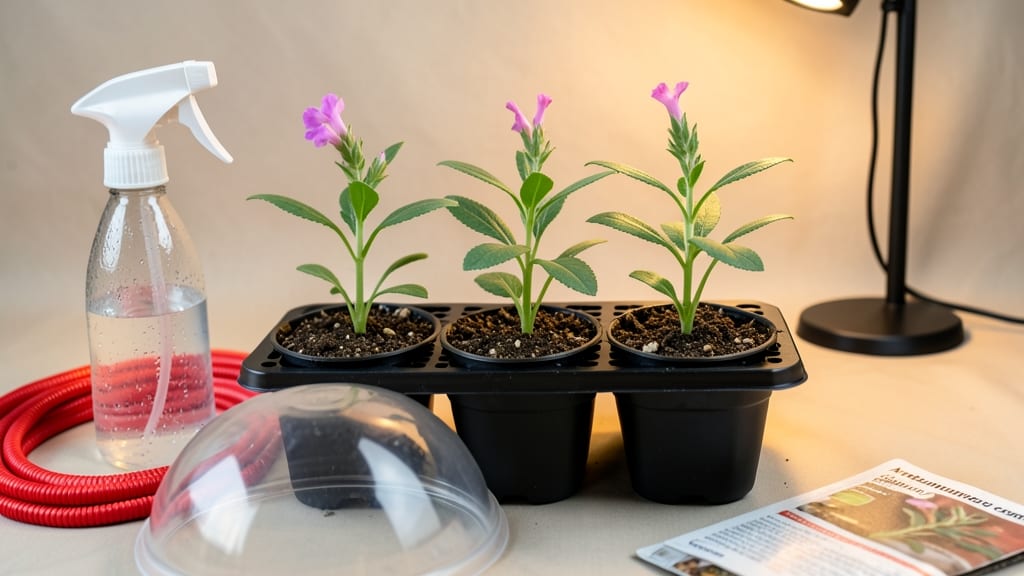
Growing snapdragons from seed indoors means fast germination and vibrant blooms by summer—if you nail the light, heat, and moisture balance. 🌱 I’ve started dozens of batches, and the key is keeping seeds cozy and moist until those first tiny leaves pop through.
Most beginners overwater or let the soil dry out, both of which stall germination. With the right setup, you’ll see sprouts in 7-14 days and flowers by late spring.
The secret isn’t fancy equipment—just a warm spot, bright light, and a shallow tray. You’ll need seed-starting mix (not garden soil), small pots or a seed tray, and a spray bottle for gentle watering.
Snapdragons thrive in 65-75°F soil, so a heat mat helps if your home runs cooler. Once sprouted, keep them under grow lights for 12-14 hours daily—natural sunlight alone won’t cut it indoors.
By the time you transplant them outdoors, you’ll have stocky, 4-inch-tall seedlings ready to handle cooler weather. The blooms arrive earlier than store-bought plants, and you’ll get varieties you’d never find at nurseries. Just avoid crowding them—thin seedlings to 2 inches apart to prevent legginess.
This method works for apartments, sunrooms, or even a sunny windowsill. The biggest mistake? Skipping the thinning step or letting seedlings get root-bound. Trust the process, and you’ll have neighbor-envy-worthy snapdragons by summer.
📚 In This Guide
- What you need
- Instructions
- Tips and common mistakes
- Wrapping up and next steps
What you need
- ● Snapdragon seeds: Choose high-quality, fresh seeds (look for heirloom or hybrid varieties like 'Black Prince' or 'Rocket'). Aim for 10–20 seeds per container.
- ● Seed-starting mix: A lightweight, sterile potting mix (avoid garden soil—it’s too dense!). A 10–20 lb bag is ideal for beginners.
- ● Seed trays or small pots: Biodegradable peat pots (3–4 inches deep) or 6–12 cell trays work well.
- ● Grow lights or sunny windowsill: Snapdragons need 12–16 hours of light daily. A full-spectrum LED grow light (12–24 inches above seedlings) is perfect.
- ● Misting bottle or spray nozzle: Keeps seeds consistently moist without drowning them.
- ○ Plastic wrap or humidity dome: Helps retain moisture during germination (optional but helpful for speed).
- ○ Heat mat (optional): Speeds up germination—aim for 70–75°F soil temp. A small seedling heat mat (~12x24 inches) works.
- ● Small hand trowel or spoon: For gently pressing seeds into soil.
- ● Labeling tags or markers: Snapdragons have long germination times (2–3 weeks)—label your trays to track varieties!
- ● Fertilizer (balanced, water-soluble): Use a diluted 5-5-5 or 10-10-10 mix once seedlings sprout (follow package rates).
- ● Scissors or knife: For pricking out seedlings when they’re ready to transplant.
- ○ Gloves (optional): Protects hands from soil-borne pathogens and keeps things clean.
Step-by-step instructions for growing snapdragons indoors
Snapdragons thrive with the right timing and care—here's how to get them blooming fast.
🌱 Step 1: Prepare Containers and Seed Starting Mix
Use clean, 3-inch deep containers with drainage holes to prevent root rot. I like seed-starting trays with individual cells because they make transplanting easier later. Fill each cell with a sterile seed-starting mix—never garden soil, which can harbor diseases that snapdragons are sensitive to.
Moisten the mix until it feels like a damp sponge—squeeze gently and it should hold its shape without dripping. Tap the tray lightly to settle the soil, then smooth the surface. This ensures even moisture distribution, which snapdragons need for reliable germination.
🌱 Step 2: Sow Seeds at the Right Depth and Temperature
Snapdragons germinate best at 70-75°F, so place your tray on a seedling heat mat if your home runs cooler. Scatter 2-3 seeds per cell at a depth of 1/8 inch—any deeper and they’ll struggle to push through the soil. Cover lightly with a fine mist from a spray bottle.
Here's the thing—snapdragons need darkness to germinate, so I cover the tray with a damp paper towel or plastic wrap. Keep it in a warm, dark spot until you see sprouts, which should appear in 7-14 days. Don’t overwater now—just check daily and mist if the soil feels dry to the touch.
☀️ Step 3: Provide Light and Prevent Leggy Growth
The moment those first green shoots appear, remove the cover and move them to bright, indirect light. Snapdragons need 12-14 hours of light daily, so a south-facing window or a grow light is essential. If you notice seedlings stretching toward the light with pale stems, they’re begging for more intensity.
I like to keep my grow light 2-3 inches above the seedlings and raise it gradually as they grow. Strong seedlings will have thick stems and dark green leaves. Pinch off the leggiest ones if they’re crowding—this encourages bushier growth and more blooms later.
🌿 Step 4: Thin and Harden Off for Transplanting
Once seedlings have 2-3 sets of true leaves (not the first tiny cotyledons), thin to the strongest plant per cell. Snapdragons handle transplanting well, but I always wait until they’re 4-5 inches tall before moving them to larger pots or the garden.
Start hardening off 10-14 days before your last frost date by placing them outside in a sheltered spot for 1-2 hours daily. Gradually increase their time outdoors, watching for wilting—if that happens, they’re not ready yet. Snapdragons bloom faster when they’ve adjusted to outdoor conditions.
✂️ Step 5: Maintain for Continuous Blooms
After transplanting, keep soil evenly moist but not soggy—snapdragons wilt dramatically when thirsty but bounce back quickly. Deadhead spent blooms regularly to encourage new flowers. I also fertilize lightly every 4-6 weeks with a balanced, water-soluble fertilizer to keep them robust.
Here’s the secret to long blooms: snapdragons thrive in cool weather. If summer heat sets in, they’ll bolt (go to seed) faster. A little afternoon shade in hot climates keeps them flowering well into fall—just what you want for a fast, rewarding display.
Tips & tricks for growing snapdragons indoors
These pro insights will help you bypass the most common pitfalls and get those snapdragons blooming faster than ever.
Germination Conditions: Snapdragons are fussy about their germination environment—don't overlook the 70-75°F requirement. If your home runs cooler, invest in a small seedling heat mat ($15-20) for consistent warmth. I've seen germination rates jump from 50% to nearly 90% when using one during those critical first 7-14 days. The darkness requirement is equally important—those seeds need complete darkness to trigger germination, so keep that cover on tight until you see those first green shoots.
Light Management: Those 12-14 hours of daily light are non-negotiable for strong seedlings. If you're using a grow light, position it 2-3 inches above the seedlings and adjust as they grow—too close causes burning, too far creates leggy plants. I've found that raising the light gradually (about 1 inch per week) prevents shock and encourages even growth. Watch for pale stems and leaves reaching upward—the classic signs your plants need more light intensity.
Thinning Strategy: When thinning to the strongest plant per cell in Step 4, don't rush this process. Use clean scissors to snip at soil level rather than pulling—this prevents disturbing the roots of your chosen seedling. I've learned the hard way that impatient thinning can shock the remaining plants, setting back their growth by a full week. Once you've thinned, give your seedlings a few days to recover before hardening off.
Hardening Off: The 10-14 days of hardening off is your opportunity to prepare snapdragons for their outdoor life. Start with just 1-2 hours daily in a sheltered spot and gradually increase exposure. I've noticed that plants hardened off this way bloom 2-3 weeks earlier than those transplanted directly from indoors. Watch for wilting—this is your signal to bring them back inside and extend their outdoor time by just 30 minutes the next day.
Pro Tips for Grow Snapdragons From Seed Indoors
- These pro insights will help you bypass the most common pitfalls and get those snapdragons blooming faster than ever.
- Germination Conditions: Snapdragons are fussy about their germination environment—don't overlook the 70-75°F requirement.
- Light Management: Those 12-14 hours of daily light are non-negotiable for strong seedlings.
Frequently asked questions
Got questions about growing snapdragons from seed indoors?
Here are answers to the most common ones—so you can skip the guesswork and get straight to blooming success!
When should I start snapdragon seeds indoors for outdoor planting?
Start seeds 8–10 weeks before your last frost date—typically in early spring. Snapdragons thrive with cooler weather, so early starts help them mature before summer heat. Use a seed-starting chart for your zone to pinpoint the perfect timing!
Why are my snapdragon seeds taking so long to germinate?
Snapdragons are slow starters—germination can take 7–21 days! Keep seeds in consistent warmth (65–75°F) and moisture (not soggy). Avoid moving trays or disturbing soil. Patience pays off—once they sprout, growth speeds up!
Do snapdragons need special light indoors?
Yes! Use a grow light 12–16 hours daily (or a sunny south-facing window). Without enough light, seedlings stretch leggy and weak. A T5 LED grow bulb is ideal for compact, healthy growth.
What should I do if my snapdragon seedlings look leggy or weak?
Leggy seedlings mean too little light or overcrowding. Move them closer to a light source (within 2–3 inches) or add a grow bulb. Thin seedlings to 1–2 inches apart and fertilize lightly with diluted seedling formula (half-strength).
Can I grow snapdragons in small pots or containers?
Snapdragons adapt well to 4–6 inch pots or containers with drainage. Just ensure they’re deep enough (6+ inches) for roots. Use a lightweight potting mix, and transplant outdoors when roots fill the pot.
Will snapdragons survive a late frost after transplanting?
Snapdragons are hardy to 25–30°F, but young plants may struggle with late frosts. Use frost cloth or wait until soil is warm (50°F+) before planting. If frost hits, cover plants immediately—they’ll bounce back!
Wrapping up and next steps
Growing snapdragons from seed indoors is a rewarding journey that combines patience with the joy of nurturing life! 🌱 With the right materials, a little attention to light and warmth, and consistent care, you’ll soon be rewarded with vibrant blooms that brighten up your garden.
Once your seedlings are strong and ready, the next logical step is transplanting them outdoors—just make sure to acclimate them gradually to avoid shock.
So, roll up your sleeves, get your hands dirty, and enjoy the process! Your future snapdragon garden awaits. 🌸