
Propagation
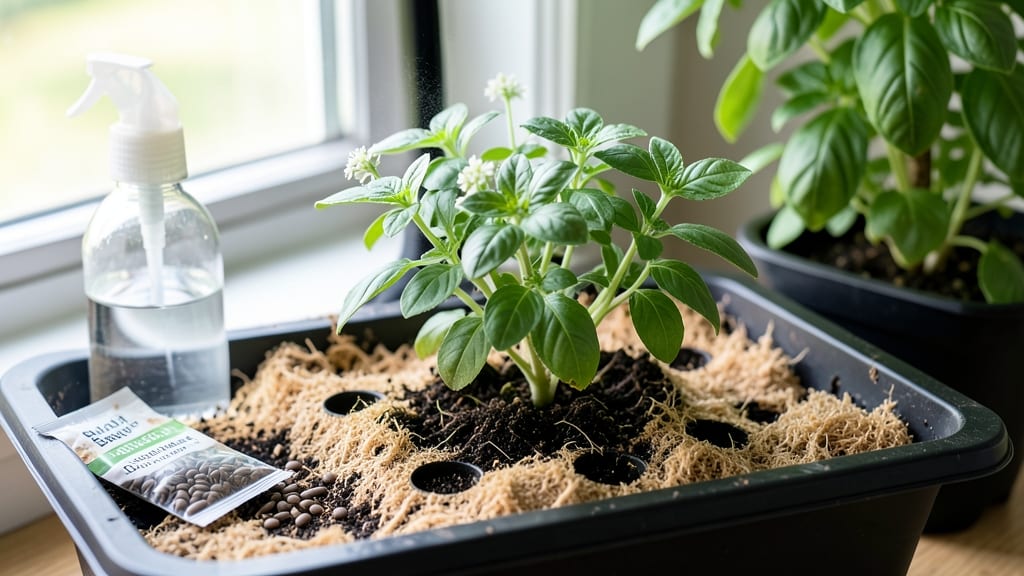
Growing basil from seed indoors lets you enjoy fresh, fragrant herbs year-round—no grocery store wilted bundles here. 🌱 The secret to speedy germination lies in warmth, moisture, and patience (though I admit, I’ve impatiently checked my seeds every 12 hours).
With the right setup, you’ll go from tiny seeds to snippable leaves in just 3-4 weeks, and the smell alone makes it worth the effort. You’ll need a seed tray or small pots, well-draining potting mix, and a heat mat or sunny windowsill (south-facing gets the job done).
Keep the soil consistently moist but not soggy—think damp sponge, not swamp—and cover the tray with plastic wrap to trap humidity. Most seeds sprout within 5-10 days if conditions are perfect, though my first batch took a stubborn 14 days (don’t panic if yours lingers).
Once those first green shoots appear, thin them to the strongest 2-3 seedlings per pot to avoid competition. Place under 12-16 hours of bright light daily—a grow light works best if your window isn’t sunny enough—and water from the bottom to keep leaves dry.
Within 4-6 weeks, you’ll have bushy plants ready for pruning, and the aroma will make your kitchen smell like a Mediterranean summer. The biggest mistake? Overwatering or letting the soil dry out. Basil roots are shallow but sensitive—keep it consistently moist but never waterlogged.
If leaves yellow, it’s usually too much water; if they wilt, it’s too little. Troubleshoot by adjusting your routine, and soon you’ll have a self-replenishing herb garden that outpaces any store-bought bunch.
📚 In This Guide
- What you need
- Instructions
- Tips and common mistakes
- Wrapping up and next steps
What you need
- ● Basil seeds: 1–2 packets (look for organic, non-GMO seeds for best results).
- ● Seed-starting mix: 1–2 bags (sterile, peat-based or coconut coir blend).
- ○ Containers: 2–4 small pots (3–4 inches wide) or a seed tray with cells (2–3 inches deep). Optional: Biodegradable seed pods for easy transplanting.
- ● Grow lights or sunny windowsill: A full-spectrum LED grow light (12–16 hours/day) or a south-facing window (6+ hours of sunlight).
- ● Spray bottle: For gentle watering (avoid over-saturating seeds!).
- ● Plastic wrap or humidity dome: To retain moisture while seeds germinate.
- ○ Heat mat (optional but helpful): A seedling heat mat (70–80°F) to speed up germination.
- ● Small hand trowel or spoon: For planting seeds.
- ● Fertilizer: A balanced, water-soluble fertilizer (5-5-5 or 10-10-10) for post-germination growth.
- ○ Misting sprayer (optional): For maintaining humidity.
- ● Pruning scissors: To trim basil as it grows.
- ○ pH test kit (optional): To check soil acidity (ideal pH: 6.0–7.0).
Step-by-step instructions for growing basil from seed indoors
Here's my foolproof method for fast, healthy basil seedlings that'll thrive indoors.
🌱 Step 1: Soak Seeds to Break Dormancy
Basil seeds have tough outer shells that slow germination. I place them in a small bowl with lukewarm water for 12-24 hours—this softens the coating and speeds up sprouting. You'll see the seeds plump up and sink to the bottom when ready. Drain them carefully through a fine mesh strainer before planting.
Don't skip this step—it cuts germination time from 2-3 weeks to just 5-7 days. I've tried planting dry seeds and always end up waiting twice as long. The soaked seeds will feel slightly heavier and more pliable when ready to sow.
🪴 Step 2: Prepare Containers and Plant Medium
Use 4-inch diameter pots with drainage holes for your 4 seedlings. Fill them with a mix of 50% seed-starting mix and 50% perlite—this prevents compaction and keeps roots oxygenated. Moisten the mix until it's damp but not soggy, then press it down gently so it's firm but not packed.
Plant 2 seeds per pot at a depth of ¼ inch, spacing them ½ inch apart. Cover them with a thin layer of the same mix and mist lightly with water. The goal is to keep the soil surface damp but not wet—you'll know it's right when water beads up slightly on the surface.
💧 Step 3: Create a Humid Warmth Dome
Place the pots in a clear plastic bag or under a humidity dome to trap warmth and moisture. Basil seeds need 75-85°F soil temperatures to germinate consistently. I set my seedling heat mat to 80°F and place the pots directly on it—this ensures reliable germination even in cooler homes.
Check daily for condensation on the bag's interior. If it fogs up, you've got perfect conditions. Remove the bag as soon as you see 50% of seeds sprout—keeping them covered too long risks damping-off disease. You'll spot tiny white roots breaking through the soil surface in about 3-5 days.
☀️ Step 4: Provide Bright, Indirect Light
Move the seedlings to a south-facing window or under grow lights immediately after germination. Basil needs 12-14 hours of light daily to prevent leggy growth. I use a T5 fluorescent grow light on a 16-hour timer, positioned 4 inches above the plants.
Rotate the pots a quarter turn daily so seedlings grow straight. You'll notice them leaning toward the light if they're not getting enough—this is your cue to move them closer. Once they develop 2 sets of true leaves, thin to the strongest seedling per pot by snipping the weaker one at soil level.
✂️ Step 5: Maintain Ideal Growing Conditions
Water when the top inch of soil feels dry, using room-temperature water. I water from the bottom by placing pots in ½ inch of water for 10 minutes—this prevents soil disturbance and encourages deep root growth. Always empty excess water from the saucer after 10 minutes to prevent root rot.
Fertilize with a half-strength liquid fertilizer every 2 weeks once seedlings have 4 true leaves. Basil grows best in 65-75°F temperatures. If your home runs cooler, supplement with a grow light to maintain vigor. You'll know your basil is thriving when it develops purple stems—this indicates strong, healthy growth.
Tips & tricks for perfect indoor basil growth
These insider tricks will help you skip the common pitfalls and grow basil that's lush, fast, and full of flavor from the very first harvest.
Seed Preparation Secret: For even faster germination than the 12-24 hour soak, try this pro move: place your basil seeds in a small bowl of lukewarm water with a pinch of sugar (about 1 teaspoon). The sugar helps break down the seed coating more efficiently. After soaking, rinse them thoroughly before planting to remove any residual sugar that could inhibit germination. This method can shave off another day from your 5-7 day germination window.
Medium Mix Pro Tip: When mixing your 50% seed-starting mix and 50% perlite, add a handful of worm castings to the mix. The beneficial microbes in worm castings boost early root development and give your seedlings a nutrient head start. Just be sure to use them sparingly—too much can create too much heat during germination. You'll notice stronger stems and faster growth once your seedlings emerge.
Lighting Strategy: If you're using a T5 fluorescent grow light, position it just 3 inches above the seedlings during their first week after germination. The closer distance provides the intense light they need to develop sturdy stems before you move them to the recommended 4-inch height. Watch for leaves turning slightly yellow at the edges—this is your signal to increase the distance to 4 inches. This two-phase lighting approach prevents leggy growth while ensuring strong, compact seedlings.
Temperature Troubleshooting: If your home consistently runs cooler than the ideal 75-85°F range, consider using a small, portable space heater set to low near your seedling area. Place the heater at least 18 inches away from the plants to avoid drying out the soil. I've had great success with a 150-watt ceramic heater on a thermostat setting of 78°F—this maintains the perfect soil temperature without overheating your space. The key is keeping the soil warm while allowing the air temperature to remain comfortable for you.
Pro Tips for Grow Basil From Seed Indoors
- These insider tricks will help you skip the common pitfalls and grow basil that's lush, fast, and full of flavor from the very first harvest.
- Seed Preparation Secret: For even faster germination than the 12-24 hour soak, try this pro move: place your basil seeds in a small bowl of lukewarm water with a pinch of sugar (about 1 teaspoon).
- Medium Mix Pro Tip: When mixing your 50% seed-starting mix and 50% perlite, add a handful of worm castings to the mix.
Frequently asked questions
Got questions about growing basil from seed indoors?
You’re not alone—here are answers to the most common ones to help you grow lush, flavorful basil with confidence!
How long does it take for basil seeds to germinate indoors?
With the right conditions (warmth, moisture, and light), basil seeds typically sprout in 7–14 days. Speed up germination by soaking seeds in warm water for 4–6 hours before planting or using a heat mat. Patience is key—don’t give up if they take longer!
Why aren’t my basil seeds sprouting? Troubleshooting tips?
If seeds aren’t germinating, check these common culprits:
- Too cold: Basil loves warmth (70–80°F). Use a seedling heat mat or place pots near a sunny window.
- Not enough moisture: Keep soil damp (not soggy) and cover seeds lightly with soil or a damp paper towel.
- Old seeds: Basil seeds lose viability after 1–2 years. Buy fresh seeds for best results.
- Poor light: Seeds need indirect light to sprout. A grow light or sunny windowsill helps.
When is the best time to transplant basil seedlings indoors?
Transplant basil seedlings when they have 2–3 sets of true leaves (about 4–6 weeks after germination). Use 4–6 inch pots with drainage holes and well-draining soil. Harden off seedlings by placing them outdoors for a few hours daily before full transition.
Can I grow basil indoors without a grow light?
Yes! Basil thrives in a south-facing window with at least 6–8 hours of direct sunlight daily. If natural light is limited, supplement with a full-spectrum LED grow light 12–16 hours/day. Rotate pots weekly for even growth.
How do I prevent basil from bolting (flowering) indoors?
Basil bolts when stressed by heat, drought, or lack of light. To keep it lush:
- Pinch off flowers as they form to encourage leaf growth.
- Harvest regularly (cut stems above a leaf node).
- Avoid overcrowding—prune yellow or leggy stems.
- Keep soil consistently moist but not waterlogged.
Wrapping up and next steps
Growing basil from seed indoors is a rewarding journey that brings fresh, fragrant herbs right to your kitchen! 🌱 With the right speed-germination tricks and a little patience, you’ll enjoy a thriving basil plant in no time.
Whether you’re a beginner or a seasoned gardener, this method makes it easy to cultivate your own aromatic harvest.
Now that you’re armed with the knowledge, why not take the next step? Start your seeds today and watch your green thumb flourish—your future pesto and caprese salads will thank you! 🍅🌿