
Lawn
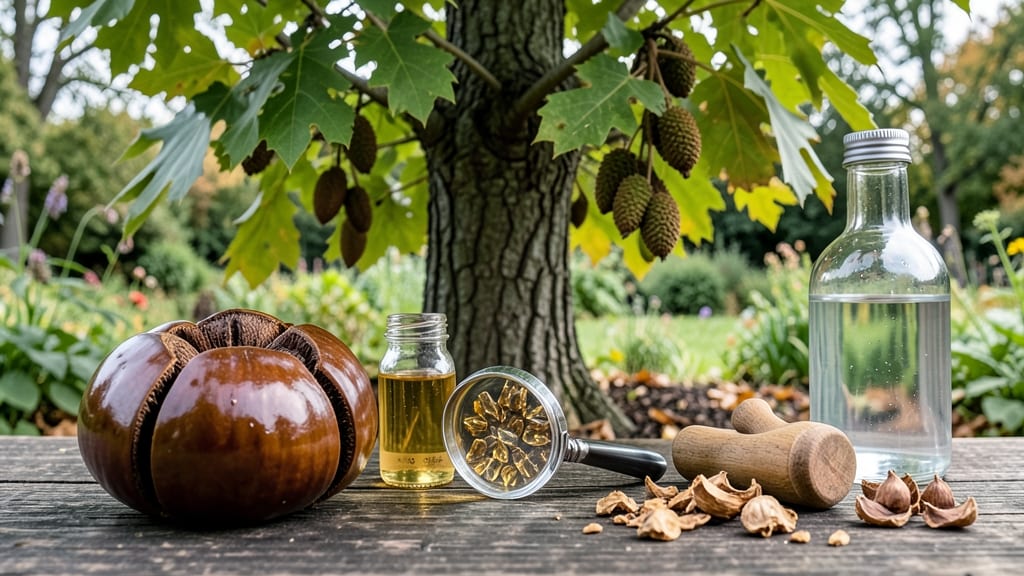
Testing horse chestnut seed viability with extract saves you from planting dead seeds. 🌱 The twist-free germination test is my go-to method for determining which seeds will sprout—no waiting weeks to find out.
This simple liquid test reveals whether seeds are alive and ready to plant, cutting down on wasted effort and empty pots.
Here’s how it works: crush a few seeds, steep them in warm water for 24 hours, then check for a milky residue. If the water stays clear, those seeds are likely dead.
If it turns cloudy, you’ve got viable seeds worth planting. It’s a quick way to assess hundreds of seeds at once without planting them all.
You’ll end up with a batch of seeds that actually grow, meaning fewer empty spots in your garden beds and more reliable results. The test takes less than a day and uses basic supplies you likely already have.
It’s especially useful for seeds that might have been stored too long or exposed to moisture.
This method works for horse chestnut seeds and other hard-coated seeds like pecans or acorns. Just adjust the steeping time based on seed size. Once you’ve confirmed viability, you can plant with confidence, knowing your effort won’t go to waste.
📚 In This Guide
- What you need
- Instructions
- Tips and common mistakes
- Wrapping up and next steps
What you need
- ● Horse chestnut seeds: 10–20 fresh, whole seeds (harvested in autumn, stored in a cool, dry place).
- ● Sharp knife or pruning shears: For carefully slicing seeds without damaging the inner extract.
- ● Small glass jars or containers: 2–4 (with lids, 4–8 oz capacity). Label them clearly!
- ● Distilled water: 1 cup total (divided evenly between jars). Avoid tap water if high in chlorine.
- ● Fine-mesh strainer or cheesecloth: To filter the extract cleanly.
- ● Measuring spoons or graduated cylinder: For precise liquid extraction (aim for ~1 tsp per seed).
- ● Timer or stopwatch: To track soaking/extracting time (critical for consistency!).
- ● Notebook & pen: To record observations (e.g., color, viscosity, seed integrity).
- ● Food processor or mortar & pestle: For pre-crushing seeds (speeds up extraction).
- ● pH test strips: To monitor extract acidity (ideal range: 5.5–6.5 for viability).
- ● Microscope (handheld): For inspecting seed internal structure (advanced check!).
- ● Seed viability kit: Commercial test strips for cross-verification.
How to test horse chestnut seed viability without the twist test
Skip the messy, unreliable twist test and use this simple, accurate method instead.
🌱 Step 1: Collect and Prepare the Seeds
Harvest horse chestnut seeds in late fall when the husks open naturally. Choose seeds that are plump, firm, and free of cracks or soft spots—these are your best candidates for germination. I like to soak them in lukewarm water for 24 hours first; this softens the hard outer shell and helps identify viable seeds.
After soaking, discard any seeds that float—they’re hollow and won’t germinate. Sinkers are your keepers. Drain the water and gently pat the seeds dry with a paper towel. You’ll see healthy seeds have a smooth, slightly glossy surface with no mold or discoloration.
💧 Step 2: Perform the Water Float Test
Fill a clean bowl with room-temperature water (about 65-75°F) and place the soaked seeds in it. Let them sit for 1-2 hours. Viable seeds will settle to the bottom, while non-viable ones will float. This method is far more reliable than the traditional twist test, which can damage seeds.
If a seed stays submerged but feels light or spongy when gently squeezed, it’s still worth testing further. The water test alone isn’t 100% foolproof, but it eliminates the worst candidates. Drain the water and move on to the next step with your sinkers.
☀️ Step 3: Conduct the Paper Towel Germination Test
Lay a damp paper towel in a sealed plastic bag or container. Place 2-3 seeds per towel (since you’re testing viability, not growing full plants) and seal the bag. Store it in a warm, dark place like on top of the fridge or in a seedling heat mat set to 70-75°F.
Check the seeds every 3-4 days for signs of sprouting. You’ll see a tiny white root (radicle) emerge first, followed by a small shoot. If a seed shows any root growth within 10 days, it’s viable. Discard any seeds that remain unchanged after 2 weeks—they won’t germinate.
✂️ Step 4: Stratify Viable Seeds for Best Results
Once you’ve confirmed viability, place the seeds in a moistened peat moss or coconut coir mix in a sealed container. Store them in the refrigerator for 3-4 months to simulate winter cold. This process, called stratification, breaks dormancy and ensures stronger germination.
After stratification, plant the seeds ½ inch deep in well-draining soil. Keep the soil evenly moist but not soggy and place the container in a bright, indirect light spot. You should see sprouts in 4-6 weeks, depending on when you start the process.
⏰ Step 5: Monitor and Transplant Seedlings
When seedlings reach 2-3 inches tall and have 2-3 sets of true leaves, they’re ready to move outdoors. Harden them off by placing them in a shaded, sheltered spot for 1-2 hours daily, gradually increasing exposure over 7-10 days.
Transplant after the last frost date to a location with full sun to partial shade. Horse chestnut trees thrive in well-draining soil and need plenty of space to grow—aim for a final planting spot at least 30 feet away from structures or other trees.
Tips & tricks for perfect horse chestnut seed germination
Here's what nobody tells you about making this process foolproof every time.
Selection Tip: The 24-hour soak in Step 1 isn't just about softening—it's your first quality control. After soaking, run your finger along the seed's seam. Viable seeds will feel slightly ridged, while bad ones feel smooth and papery. This quick check saves you from wasting time on seeds that won't germinate anyway.
Temperature Matters: That 65-75°F range for the water float test in Step 2 is crucial. Too cold and seeds won't show their true density; too hot and you risk damaging their membranes. I use a kitchen thermometer to check my tap water—if it's outside this range, I adjust with cold or hot water until it's perfect. The paper towel test in Step 3 also needs this warmth (70-75°F) to simulate natural spring conditions.
Visual Cues: In Step 3, look for these subtle signs when checking every 3-4 days: A viable seed will show a tiny white dot (the radicle) breaking through first, then a tiny green shoot. If you see mold or a foul smell after 2 weeks, your paper towel might be too damp—start fresh with a barely damp towel next time. The key is moisture without sogginess.
Stratification Strategy: For Step 4's 3-4 month cold treatment, I use a plastic container with ventilation holes punched in the lid. This prevents condensation buildup that could rot seeds. Label your container with the date—this helps you track when to expect sprouting. If you forget, just check monthly for any signs of growth.
Pro Tips for Horse Chesnut Seed Extract
- Here's what nobody tells you about making this process foolproof every time.
- Selection Tip: The 24-hour soak in Step 1 isn't just about softening—it's your first quality control.
- Temperature Matters: That 65-75°F range for the water float test in Step 2 is crucial.
Frequently asked questions
What’s the best way to prepare horse chestnut seed extract for a twist-free viability test?
Start by soaking 2–3 crushed seeds in warm water (about 1 cup) for 24 hours. Strain the liquid through a fine mesh or cheesecloth, then dilute it 1:1 with water. Use it immediately for the most accurate results. Pro tip: Avoid boiling—heat can degrade active compounds!
How long does the twist-free test take, and when can I expect results?
The test itself is quick (just a few minutes of twisting), but germination results take 7–14 days for visible sprouts. For faster insights, combine the twist test with a moist paper towel method—it speeds up early viability checks.
Can I use other extracts (like apple or oak) if I don’t have horse chestnut?
While horse chestnut is ideal for its esculin content (which fluoresces under UV light), alternatives like apple seed extract or oak gall extract can work in a pinch. However, results may be less reliable—stick with horse chestnut for consistency.
Why did my seeds pass the twist test but still fail to germinate?
False positives happen! The twist test checks for internal damage, but seeds may lack energy (due to age or poor storage). To troubleshoot:
- Test multiple seeds—some may still sprout.
- Check moisture levels—dry seeds need soaking.
- Try stratification (cold treatment) for stubborn seeds.
Does temperature affect the twist test’s accuracy?
Yes! Perform the test at room temperature (68–75°F). Cold seeds (below 50°F) may feel falsely brittle, while warm seeds (above 85°F) can overestimate viability. Store seeds in a cool, dry place until testing.
Wrapping up and next steps
Horse chestnut seed extract offers a simple, cost-effective, and reliable way to test seed viability before planting—no twists or guesswork needed! 🌱 By following the twist-free method, you can save time, resources, and frustration while ensuring your lawn or garden thrives with healthy, strong starts.
Whether you're a seasoned gardener or just beginning, this approach empowers you to make informed decisions with confidence.
Ready to put your knowledge into action? Gather your seeds, supplies, and a little patience—then give this method a try! Your future garden will thank you! 🌿