
Pruning
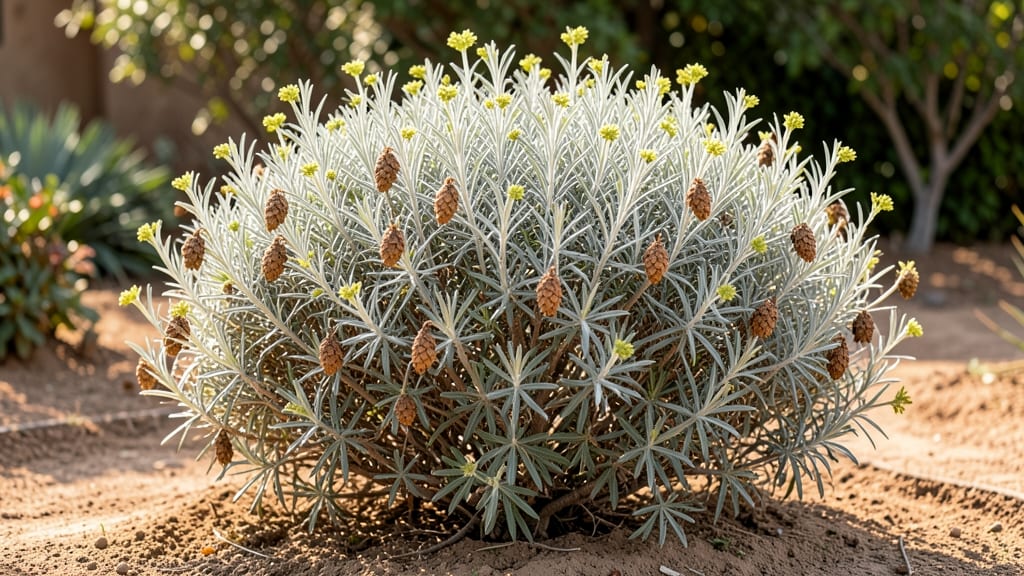
Tucson’s hopseed bush thrives where other plants wilt—its silvery foliage and drought-defying nature make it a desert gardener’s secret weapon. 🌵 I’ve kept mine lush for years with minimal water, and the key isn’t complicated: prune strategically, and you’ll get year-round harvests without the fuss.
The real magic happens in late winter, when you shape the plant to encourage dense growth. Three cuts—removing dead wood, thinning crowded branches, and trimming for shape—keep it healthy and productive. Unlike high-maintenance plants, this one rewards neglect but repays attention with vibrant foliage and wildlife-friendly seeds.
You’ll end up with a plant that stays compact and ornamental while providing food for birds and butterflies. The silver leaves catch the light beautifully, and the structure works in modern or native-style gardens alike.
Perfect for Tucson’s USDA Zone 9b climate, this bush handles heat and drought like a champ. Here’s how to keep yours thriving without wasting water.
📚 In This Guide
- What you need
- Instructions
- Tips and common mistakes
- Wrapping up and next steps
What you need
- ● Pruning shears: Bypass pruners (sharp, clean, and sterilized with rubbing alcohol to prevent disease). Quantity: 1 pair.
- ● Gloves: Heavy-duty gardening gloves (to protect from thorns and sap). Material: Nitrile-coated for durability.
- ● Disinfectant: 70% isopropyl alcohol or a gardening-specific sanitizer (for tool sterilization between cuts).
- ● Trash bag or bucket: For collecting pruned branches and debris. Size: 5+ gallon capacity.
- ● Watering can or hose: With a gentle spray nozzle (for post-pruning hydration).
- ○ Pruning saw (optional but helpful): For thicker branches (>1 inch in diameter). Type: Folding pruning saw.
- ● Compost bin: To repurpose pruned branches as mulch or compost.
- ● Plant food: Balanced fertilizer (10-10-10 or similar) to nourish the bush post-pruning.
- ● Safety glasses: If your bush is dense or thorny.
- ● Notebook & pen: To jot down pruning notes (e.g., branch locations, growth patterns).
Stress-free pruning techniques for hopseed bush in Tucson's climate
Here's how to keep your hopseed bush thriving year-round with minimal effort and maximum harvest.
✂️ Step 1: Understand the Hopseed Bush's Natural Growth Cycle
The hopseed bush (Dodonaea viscosa) thrives in Tucson's arid conditions but responds best to strategic pruning tied to its growth phases. This evergreen shrub produces new growth from old wood, so never prune back into bare, leafless stems—you'll kill the plant. Instead, focus on shaping in late winter or early spring before new shoots emerge, when the plant is dormant but about to wake up.
Look for three distinct growth zones: the central leader (main vertical stem), lateral branches (side shoots), and ground-level suckers (new shoots from the base). The central leader should dominate, with lateral branches pruned to one-third their length to encourage bushier growth. Ground-level suckers can be removed entirely unless you want to propagate new plants.
🌿 Step 2: Prune for Airflow and Sun Penetration
Tucson's intense sun can scorch leaves if the bush gets too dense. Start by removing any dead, diseased, or crossing branches—these compete for nutrients and invite pests. Use sharp, clean pruners to make cuts at a 45-degree angle, about ¼ inch above a leaf node or outward-facing bud. This prevents water from pooling on the cut and encourages new growth in the right direction.
Next, thin out the center of the bush to improve airflow. Aim for open, rounded shape with sunlight reaching all leaves. You'll know you've done enough when you can see light filtering through the canopy. This reduces fungal risks and ensures even ripening of seed pods, which is key for consistent harvests.
⏰ Step 3: Time Pruning for Seasonal Growth Peaks
In Tucson's climate, prune twice yearly: once in late February (just before spring growth) and again in August (after summer heat stress). The February prune stimulates vigorous spring growth, while the August prune removes heat-damaged branches and prepares the plant for fall regrowth. Avoid pruning during extreme heat—new cuts take longer to heal in temperatures above 100°F.
Watch for new shoots emerging from leaf nodes after pruning—this is your signal that the plant is responding well. If growth stalls after pruning, it may need a light fertilizer application (use a balanced 10-10-10 formula) to support recovery. Over-pruning in one session can shock the plant, so limit yourself to 25% of the bush's total foliage per session.
🌱 Step 4: Maintain Year-Round with Minimal Effort
Hopseed bushes are drought-tolerant once established, but pruned branches need consistent moisture to root. Water deeply once weekly for the first 4-6 weeks after pruning, then taper to every 2-3 weeks once new growth appears. Tucson's alkaline soil can stress new cuts, so a mulch ring (2-3 inches of gravel or wood chips) helps retain moisture and regulate root-zone temperatures.
Harvest seed pods when they turn papery brown (usually late summer to fall). Prune lightly after harvesting to remove spent branches and encourage a final flush of growth before winter. The bush will enter dormancy naturally, so no winter pruning is needed—just protect it from frost by moving containers indoors or covering outdoor plants with burlap if temperatures dip below 25°F.
Tips & tricks for perfect hopseed bush pruning in Tucson
A few strategic adjustments can transform your pruning routine from stressful to effortless—here's how to maximize your hopseed bush's potential with Tucson's unique challenges.
Tool Preparation: Sterilize your pruning tools with rubbing alcohol before each session to prevent spreading disease between cuts. I learned this the hard way after seeing fungal spots appear on otherwise healthy branches. For larger branches, use a pruning saw with a fine-tooth blade to avoid tearing the bark—this creates cleaner wounds that heal faster in Tucson's dry climate.
Seasonal Timing Strategy: The twice-yearly pruning schedule in late February and August works perfectly for Tucson's climate, but here's the secret: mark your calendar for the new moon in February. Pruning during this lunar phase promotes root growth, helping your bush recover faster from the winter dormancy. In August, time your pruning for early morning hours when temperatures are below 95°F to minimize stress on new cuts.
Visual Pruning Guide: When thinning the center of your bush in Step 2, use this simple test: hold a flashlight at the base of the plant and look for shadows on the ground. If you see dark patches, those areas need more light—remove branches that create these shadows. This creates that perfect open, rounded shape while ensuring all leaves get equal sun exposure, which is crucial for even seed pod development in Tucson's intense sunlight.
Post-Pruning Care: After your August pruning, apply a thin layer of compost tea to the soil (optional but highly effective) to replenish beneficial microbes disrupted by the cuts. The mulch ring you create should extend 12 inches from the base—this wider coverage helps regulate soil temperature better than the standard 2-3 inches, protecting roots during Tucson's temperature swings between day and night.
Pro Tips for Hopseed Bush Tucson
- A few strategic adjustments can transform your pruning routine from stressful to effortless—here's how to maximize your hopseed bush's potential with Tucson's unique challenges.
- Tool Preparation: Sterilize your pruning tools with rubbing alcohol before each session to prevent spreading disease between cuts.
- Seasonal Timing Strategy: The twice-yearly pruning schedule in late February and August works perfectly for Tucson's climate, but here's the secret: mark your calendar for the new moon in February.
Frequently asked questions
Got questions about keeping your hopseed bush (Dodonaea viscosa) thriving in Tucson’s unique climate? You’re not alone! Here are answers to the most common questions pruning enthusiasts ask—so you can enjoy stress-free harvests year-round.
When’s the best time to prune my hopseed bush in Tucson?
The ideal time is late winter to early spring (February–March), just before new growth starts. Tucson’s mild winters make this a great window. Avoid pruning in extreme heat (summer) or cold snaps (winter), as it stresses the plant. Pro tip: A light trim after summer harvests can encourage bushier growth!
How much can I prune without harming the bush?
You can safely remove up to 1/3 of the plant’s total growth per pruning session. Focus on dead, diseased, or overcrowded branches first. For shaping, aim for an open vase-like structure to maximize airflow and sunlight—critical for Tucson’s dry climate. Warning: Avoid over-pruning in one session; spread it out over a few weeks if needed.
Will pruning affect my hopseed bush’s fruit or seed production?
Not if done correctly! Pruning stimulates new growth, which often leads to more flowers and fruit later in the season. However, avoid heavy pruning right before flowering time (typically spring). For seed production, prioritize mature branches—these hold the most seeds. Bonus: Pruned branches can be dried for seed collection!
What do I do if my hopseed bush looks leggy or sparse after pruning?
Leggy growth usually means too little light or over-pruning. Move the bush to a sunnier spot (Tucson’s full sun is ideal) and fertilize lightly with a balanced 10-10-10 mix in early spring. If it’s still sparse, try pinching back tips of new growth to encourage bushier branches. Patience tip: Hopseed bushes are slow growers—give it 2–3 seasons to recover!
Are there alternatives to pruning for controlling hopseed bush size?
Yes! If pruning feels overwhelming, try these low-maintenance options:
- Container growing: Plant in a large pot to naturally limit root spread.
- Mulching: Use 3–4 inches of mulch to suppress weeds and retain moisture (critical in Tucson’s heat).
- Selective thinning: Remove only the longest, unproductive branches instead of full pruning.
Wrapping up and next steps
Pruning your hopseed bush (Dodonaea viscosa) in Tucson doesn’t have to be a daunting task—it’s all about timing, technique, and a little patience! 🌿 With the right tools and a clear understanding of its growth habits, you can enjoy year-round harvests of fragrant leaves and edible seeds while keeping your plant thriving.
Whether you’re trimming for shape, health, or bounty, remember: consistency is key!
Ready to take the next step? Start small—pick a sunny morning, grab your pruners, and give your hopseed bush the care it deserves. Before you know it, you’ll be harvesting fresh greens or seeds straight from your Tucson garden! 🌞