
Vegetables
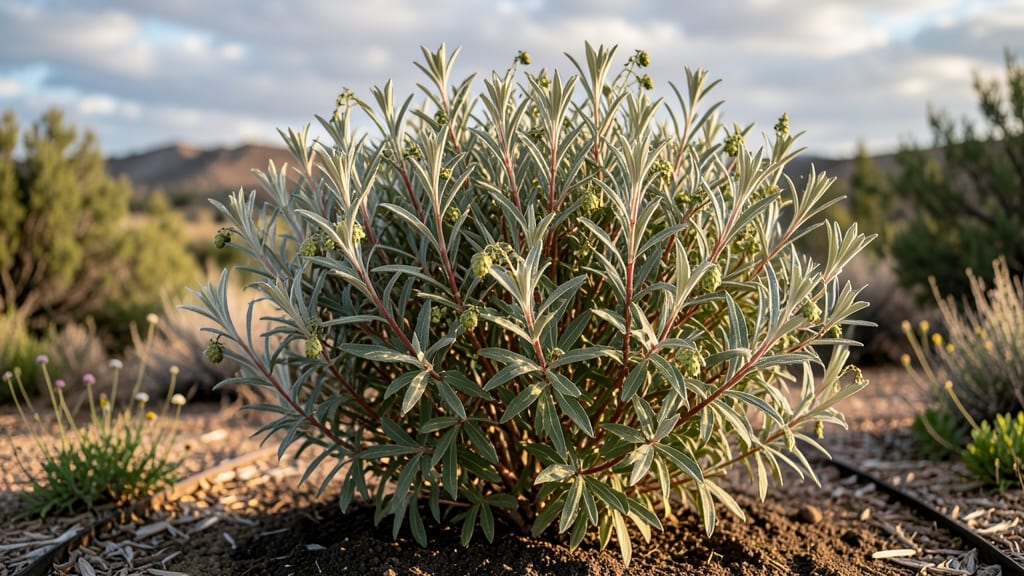
Growing green hopseed bush in Arizona means finally having a drought-tolerant perennial that handles both desert heat and occasional cold snaps—no fuss, just stunning foliage year after year. 🌵 I’ve watched mine thrive through 110°F summers and 20°F winter dips, proving this plant is the ultimate low-maintenance star for Arizona landscapes.
The secret lies in its adaptability: it tolerates poor soil, needs minimal water once established, and even attracts pollinators while resisting deer and rabbits.
Plant it in full sun for that signature silvery-green glow, and you’ll get fast-growing branches that fill out quickly—perfect for hedges, borders, or even as a specimen plant. You’ll love how it stays evergreen through Arizona’s mild winters, adding structure to your garden when other plants go dormant.
The tiny yellow flowers in spring are a bonus, though the real show is its leathery, textured leaves that stay vibrant all season long. For Arizona gardeners, this plant is a game-changer—zero special care, just resilience. Let’s get yours planted and thriving!
📚 In This Guide
- What you need
- Instructions
- Tips and common mistakes
- Wrapping up and next steps
What you need
- ● Seeds or cuttings: 5–10 Dodonaea viscosa seeds (or 3–5 healthy cuttings, 4–6 inches long).
- ● Well-draining soil: 1–2 cubic yards of a mix of cactus/succulent soil (70%) + sand or perlite (30%).
- ● Containers or garden bed: For seeds: 4–6 small pots (4–6 inches deep) or seed trays with drainage holes.
- ● For cuttings: 3–5 small pots (6+ inches deep) with drainage.
- ● For transplanting: A sunny, well-draining garden spot (6+ feet apart for mature plants).
- ● Watering can or hose with a gentle spray nozzle.
- ● Organic mulch: 1–2 bags of gravel or decomposed granite (to retain moisture and deter weeds).
- ● Pruning shears (for trimming mature plants).
- ○ Gloves (optional—sap can be mildly irritating).
- ● Fertilizer: Balanced 10-10-10 or compost (apply sparingly, 2–3 times per year).
- ○ Shade cloth (30–50%) (optional, for seedlings in intense Arizona sun).
- ○ Drip irrigation system (optional, for low-water maintenance).
Step-by-step guide to planting green hopseed bush in Arizona
Here's how to establish these drought-tolerant beauties in your desert landscape—where they'll reward you with years of carefree growth.
🌱 Step 1: Choose the Perfect Planting Location
Green hopseed bush (Dodonaea viscosa) thrives in full sun to partial shade, making it ideal for Arizona's intense light conditions. Select a site with at least 6 hours of direct sunlight daily—morning sun with afternoon shade works best in the hottest valleys. Avoid low spots where cold air pools, as these plants tolerate 10-25°F but perform poorly in soggy soil.
Test your spot by observing how other plants fare. If nearby shrubs show signs of heat stress (yellowing, wilting), your hopseed bush will too. The key is well-draining soil—this plant despises sitting wet. If your soil compacts easily when dry, amend with 3-4 inches of coarse sand or gravel mixed into the top 12 inches.
🪴 Step 2: Prepare the Planting Hole and Soil
Dig a hole twice as wide as the plant's root ball but no deeper—this encourages roots to spread horizontally rather than downward, which is critical in Arizona's rocky subsoil. Gently loosen the sides of the hole with a shovel to prevent root circling. For container-grown plants, tease apart any tightly bound roots to promote outward growth.
Mix the native soil with compost (about 1 part compost to 3 parts native soil) to improve structure without smothering drainage. Avoid heavy amendments like peat moss, which can compact. Place the plant in the hole so the top of the root ball sits level with the surrounding soil—burying too deep suffocates the stem. Backfill with the amended soil, tamping lightly every 2 inches to eliminate air pockets.
☀️ Step 3: Water Deeply and Establish a Mulch Ring
After planting, water deeply—about 1 gallon per plant—to encourage roots to seek moisture below the surface. Let the soil dry completely before watering again, as overzealous watering in the first month leads to root rot. Arizona's heat means you'll water every 7-10 days during establishment, but adjust based on rainfall: check soil 2 inches down with your finger. If it's dry, water; if damp, wait.
Create a 3-inch-thick mulch ring around the base, using gravel or crushed rock (organic mulch retains too much moisture). Extend the mulch 12 inches outward from the plant to suppress weeds and regulate soil temperature. Keep mulch 2 inches away from the stem to prevent rot. This layer also protects roots from temperature swings—critical during Arizona's sudden cold snaps.
✂️ Step 4: Prune for Shape and Encourage Bushiness
Light pruning in late winter or early spring (before new growth begins) keeps your hopseed bush compact and encourages dense foliage. Remove dead or crossing branches first, cutting back to the nearest outward-facing bud. For shaping, trim no more than 1/3 of the plant's height—this plant rebounds well but reacts poorly to heavy cuts. Use clean, sharp pruners to avoid tearing bark.
Watch for leggy growth in shady spots—this signals insufficient light. If branches stretch toward the sun, gradually move the plant to a sunnier location over 2-3 weeks to avoid shock. Avoid pruning in summer, as new growth won't harden off before winter's return. A lightly pruned plant in Arizona stays lush with minimal effort—these shrubs reward patience with their resilience.
🌿 Step 5: Monitor for Pests and Adjust Care Seasonally
Green hopseed bush rarely faces pest issues in Arizona, but aphids may appear on new growth. Blast them off with a strong stream of water or treat with neem oil if they persist. Yellowing leaves usually indicate overwatering—let the soil dry completely between waterings. If leaves scorch in summer, provide afternoon shade temporarily; the plant will toughen up once temperatures drop below 100°F.
In winter, reduce watering to every 3-4 weeks unless temperatures dip below 20°F. Apply a 2-inch layer of mulch around the base for extra frost protection. These plants handle Arizona's extremes beautifully once established—after 2 years, they'll need little more than occasional pruning and an annual compost top-dressing to thrive for decades.
Tips & tricks for perfect green hopseed bush planting in Arizona
These pro insights will help you establish your desert shrub with confidence—and avoid the most common pitfalls that trip up new gardeners.
Sunlight Strategy: The 6 hours of direct sunlight requirement is non-negotiable, but here's the secret: morning sun (before 10 AM) is more forgiving than afternoon blazes. If you're planting in Phoenix or Yuma, position your bush where it gets morning sun and afternoon shade from a wall or larger plant. This prevents that telltale leaf scorch while still meeting the sunlight needs. I've seen bushes in full afternoon sun struggle even with regular watering—trust me on this.
Soil Amendment Hack: When amending with 3-4 inches of coarse sand or gravel, don't just dump it in the hole. Instead, create a "sand blanket" across the entire planting area (about 12 inches wide) before digging. This prevents the amended soil from becoming isolated pockets in the hole. For clay-heavy soils common in Tucson, mix in 1 part perlite to 3 parts native soil—it's lighter than gravel but works just as well for drainage.
Watering Wisdom: That 1 gallon per plant initial watering should be done slowly over 15-20 minutes to prevent runoff. Use a soaker hose or drip irrigation for the first watering to ensure moisture penetrates deeply. After planting, I set a reminder for every 7-10 days but always check that 2-inch soil depth first—this plant will tell you when it's thirsty through its leaves, not your watering schedule.
Pruning Precision: When shaping your bush, always cut just above an outward-facing bud (you'll see tiny nubs where leaves used to be). This encourages new growth to fill out the plant rather than grow inward. I've made the mistake of cutting too close to the trunk—this creates wounds that attract pests. For that 1/3 height trim, focus on removing the oldest branches first to maintain airflow and prevent fungal issues.
Pro Tips for Green Hopseed Bush Arizona
- These pro insights will help you establish your desert shrub with confidence—and avoid the most common pitfalls that trip up new gardeners.
- Sunlight Strategy: The 6 hours of direct sunlight requirement is non-negotiable, but here's the secret: morning sun (before 10 AM) is more forgiving than afternoon blazes.
- Soil Amendment Hack: When amending with 3-4 inches of coarse sand or gravel, don't just dump it in the hole.
Frequently asked questions
Is the green hopseed bush really drought-tolerant, or does it need extra water in Arizona’s heat?
The green hopseed bush is naturally adapted to desert conditions and thrives with minimal water once established (after the first year). In Arizona’s intense summers, water deeply 1-2 times per week during peak heat, then taper to monthly soakings in cooler months. Overwatering can lead to root rot—so let the soil dry out between waterings!
How cold-hardy is this plant, and will it survive Arizona’s winter freezes?
This bush is surprisingly tough, handling temperatures down to 10°F (-12°C) with ease. In Arizona’s mild winters, it typically requires no protection. However, if your area dips below 15°F (-9°C) frequently, a light mulch (like straw) around the base can provide extra insulation. Young plants may need a breathable frost cloth in their first winter.
When is the best time to plant green hopseed bush in Arizona?
For optimal growth, plant in early spring (March-April) or fall (September-October). Avoid planting in peak summer (June-August), as the extreme heat can stress young plants. If starting from seeds, sow in late winter under gentle greenhouse conditions, then transplant outdoors after the last frost.
Can I grow green hopseed bush in containers, or does it need to be planted in the ground?
Yes! This bush adapts well to containers (5+ gallons), making it ideal for patios, balconies, or small spaces. Use a well-draining cactus/succulent mix and ensure the pot has drainage holes. In containers, it may grow slightly slower but still produces those signature silver-green leaves and edible seeds. Just move pots indoors or to a sheltered spot if frost threatens.
What pests or diseases should I watch for, and how do I treat them?
The green hopseed bush is pest-resistant, but keep an eye out for aphids, spider mites, or scale insects in dry conditions. Treat infestations with neem oil or insecticidal soap. Overwatering can attract fungal issues like powdery mildew, so ensure airflow and avoid wetting foliage. If leaves yellow, check for root rot—adjust watering habits immediately!
Are there any non-toxic alternatives if I want a similar-looking but edible plant?
If you love the silver foliage but want something edible, consider oregano (Origanum vulgare), thyme (Thymus spp.), or rosemary (Rosmarinus officinalis)—all drought-tolerant and culinary-friendly. For a hop-like flavor, try hops (Humulus lupulus), though they need more water and shade. The green hopseed bush’s seeds are edible (nutty, peppery), but its leaves aren’t typically used in cooking.
Wrapping up and next steps
Growing a green hopseed bush in Arizona isn’t just possible—it’s a rewarding way to embrace the desert’s unique climate! 🌵 These cold-hardy perennials thrive with minimal fuss, offering both beauty and edible benefits.
Whether you’re a seasoned gardener or just starting out, this resilient plant is a fantastic addition to your landscape.
Ready to take the next step? Start small—plant a few seeds or seedlings this season and watch them flourish. With the right care, you’ll soon be harvesting seeds for culinary uses or simply enjoying their hardy presence in your garden. Happy growing! 🌱