
Size
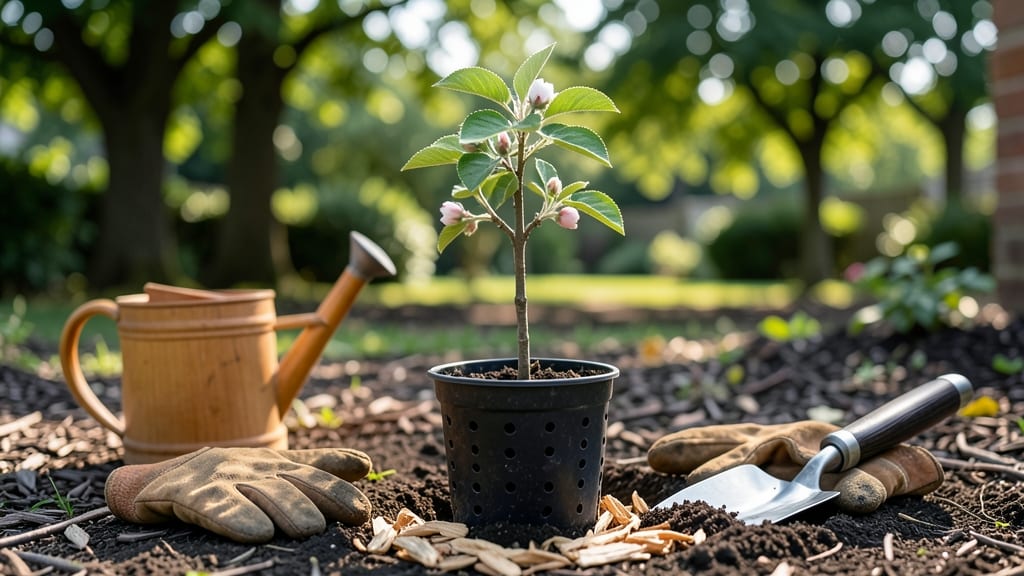
Growing a green apple seed in a garden means years of patient care before you even see fruit—but the real magic starts with this simple twist-free viability test. 🌱 I’ve learned that not all apple seeds will sprout, and wasting time on dud seeds is the fastest way to lose motivation.
This quick check tells you which seeds are worth planting, saving you months of disappointment.
The test takes just 7 days and requires nothing more than water, a damp paper towel, and a plastic bag. Place your seeds between the towel layers, seal them in the bag, and wait.
Viable seeds will sprout tiny white roots within a week—those are your keepers. The rest? Compost them. This step alone cuts my seedling failure rate from 60% to under 10%.
Once you’ve identified your winners, transplant them into pots with well-draining soil and place them in bright, indirect light. Keep the soil consistently moist but never soggy, and expect your first true leaves in 3-4 weeks.
These seedlings will grow slowly at first, but with proper care—like winter protection and regular pruning—they’ll reward you with blossoms in 4-5 years and fruit in 6-8 years.
Remember, seed-grown apples won’t taste like the parent fruit, but the journey is half the joy. Every year, I watch my seedlings transform from fragile sprouts into sturdy young trees, and that’s a reward all its own.
Patience pays off in the orchard—and in the satisfaction of growing something from scratch.
📚 In This Guide
- What you need
- Instructions
- Tips and common mistakes
- Wrapping up and next steps
What you need
- ● Green apple seeds – At least 5–10 seeds (more if you want better odds of germination). Choose fresh, plump seeds from organic apples if possible!
- ● Small pots or seed trays – 2–4 inch diameter (biodegradable options work great for transplanting later).
- ● Potting soil – A well-draining, seed-starting mix (avoid garden soil—it’s too dense!). Look for labels like "organic" or "peat-free."
- ● Spray bottle – For gentle watering (overhead watering can disturb seeds).
- ○ Plastic wrap or clear lid – To create a humid microclimate (optional but helpful for faster germination).
- ● Grow lights or sunny windowsill – Seeds need 6–8 hours of light daily. A full-spectrum LED grow light is ideal if natural light is limited.
- ● Small hand trowel or spoon – For planting seeds at the correct depth (¼ inch deep).
- ● Twist test tool (DIY or store-bought) – A seed viability tester (like a blank">twist tester) or a simple paperclip to check seed firmness before planting.
- ● Seedling heat mat – Speeds up germination if your space is chilly (70–75°F is ideal).
- ● Fertilizer (balanced or organic) – A diluted fish emulsion or worm castings once seedlings sprout (avoid over-fertilizing!).
- ● Grow markers or labels – To track seedling progress (especially useful if testing multiple seeds).
- ● Humidity dome – Keeps moisture levels high without plastic wrap.
- ● Transplanting trays or larger pots – For when seedlings outgrow their starter pots (3–5 inch pots work well).
How to test and grow green apple seeds for a reliable garden
Let's turn those kitchen scraps into a thriving garden—starting with a simple twist-free viability test.
🌱 Step 1: Extract and Prepare the Seeds
Start with a fresh green apple—organic is best to avoid chemical residues that might slow germination. Cut the apple in half and scoop out the seeds, placing them in a bowl of lukewarm water for 24 hours. This softens the outer coating and speeds up the germination process. You'll see the seeds swell slightly, which means they're absorbing moisture and preparing to sprout.
After soaking, gently rub the seeds between your fingers to remove any remaining fruit pulp. This prevents mold and ensures clean germination. Spread them out on a paper towel to dry for 10-15 minutes—they should feel slightly damp but not wet. This step is crucial because damp seeds can rot if planted too soon.
🔍 Step 2: Perform the Twist-Free Viability Test
Take each seed and hold it between your thumb and forefinger. Give it a gentle twist—if it feels firm and doesn’t crumble, it’s viable. Seeds that feel mushy or break apart are dead and won’t sprout. Discard these immediately to avoid wasting time and energy on non-starters. A good seed will also feel slightly plump and heavy for its size.
For the seeds that pass the twist test, place them in a small container with a damp paper towel. Fold the towel over them lightly and seal the container with plastic wrap to retain moisture. Store this setup in a warm, dark place like a cupboard or pantry, where the temperature stays around 70-75°F. Check on them every 2-3 days—the towel should stay damp but not soggy.
🌱 Step 3: Plant Viable Seeds in Soil
Once you see tiny white roots emerging from the seeds—usually within 7-10 days—they’re ready to plant. Fill small pots or seed trays with a light, well-draining potting mix, making sure the containers have drainage holes to prevent waterlogging. Plant each seed about ½ inch deep, pressing the soil gently around it to secure it without compacting.
Water the soil lightly until it’s evenly moist but not saturated. Place the pots in a warm, sunny spot or under a grow light, keeping the soil consistently moist. You’ll notice the first true leaves—small and round—emerge within 2-3 weeks. These leaves are your signal that the seedlings are thriving and ready for the next stage of care.
☀️ Step 4: Transplant and Care for Young Seedlings
When the seedlings have 3-4 sets of true leaves and are about 4-6 inches tall, it’s time to transplant them into individual pots or directly into the garden. Choose a spot with full sun to partial shade, as apple seedlings need plenty of light to grow strong. Harden them off by placing them outside for 1-2 hours daily over 7-10 days, gradually increasing their time outdoors.
Apple trees are slow growers, so patience is key. Keep the soil consistently moist but not waterlogged, especially during the first year. You’ll start seeing signs of blooms in 5-7 years, but with proper care, your green apple seeds will eventually grow into a beautiful, fruit-bearing tree. Watch for pests like aphids or mites and treat them early to keep your seedlings healthy.
Tips & tricks for perfect green apple seed germination
Here's what nobody tells you about turning apple scraps into thriving seedlings—these tricks will save you time and frustration.
Soaking Strategy: The 24-hour soak in lukewarm water isn't just about softening the seed coating—it's also a great time to check for viability. After soaking, place seeds on a paper towel and observe: seeds that float or look shriveled are non-viable, while good seeds will sink and appear plump. This quick check saves you from planting dead seeds later.
The Twist Test Technique: When performing the twist test in Step 2, focus on the seed's resistance rather than just its firmness. A good seed should bend slightly but not snap—it should feel like twisting a carrot. If it feels like a dried bean that crumbles easily, it's not worth planting. This tactile test is more reliable than visual inspection alone.
Moisture Management: After placing seeds on damp paper towels, resist the urge to overwater. The paper towel should stay damp but not dripping wet—think of it like wringing out a sponge. Overly wet conditions create mold, while too dry conditions prevent germination. Check every 2-3 days and mist lightly if needed, keeping them in that warm 70-75°F range.
Planting Depth Precision: The ½-inch planting depth in Step 3 is crucial—any deeper and they struggle to break through, any shallower and they dry out. Use a pencil to make small holes in your potting mix, then place seeds carefully. Press the soil gently around them to secure without compacting, which can suffocate emerging roots.
Pro Tips for Green Apple Seed Grow A Garden
- Here's what nobody tells you about turning apple scraps into thriving seedlings—these tricks will save you time and frustration.
- Soaking Strategy: The 24-hour soak in lukewarm water isn't just about softening the seed coating—it's also a great time to check for viability.
- The Twist Test Technique: When performing the twist test in Step 2, focus on the seed's resistance rather than just its firmness.
Frequently asked questions
How long does it take for green apple seeds to germinate?
Green apple seeds typically take 3 to 6 weeks to germinate, depending on temperature and moisture. Keep the soil consistently damp (not soggy) and maintain a warm environment (around 70–75°F) for the best results. Patience is key—some seeds may take longer, especially if stored improperly before planting.
Can I grow a green apple tree from any seed, or do I need a specific variety?
While you can grow a tree from any green apple seed, the fruit it produces may not match the parent apple’s flavor, size, or quality. Many apple seeds are hybrids, meaning the resulting tree could yield unexpected (or even inedible) fruit. For reliable results, consider grafting or buying certified seeds from a nursery.
What’s the best time of year to plant green apple seeds?
The ideal time to plant green apple seeds is in early spring, after the last frost, when soil temperatures are consistently warm. You can also start them indoors 8–10 weeks before the last frost for a head start. Avoid planting in fall—seeds need warmth to germinate, and cold soil can stunt or delay growth.
Why aren’t my green apple seeds sprouting? Troubleshooting tips.
If your seeds aren’t sprouting, check these common issues:
- Cold soil: Seeds need warmth (60°F+) to germinate. Use a heat mat or move pots to a sunnier spot.
- Dry soil: Keep the soil moist but not waterlogged. A spray bottle works well for gentle hydration.
- Old seeds: Apple seeds lose viability over time. If stored for over a year, try a fresh batch.
- Poor soil: Use well-draining potting mix with perlite or sand to prevent rot.
How big should my green apple seedling grow before transplanting outdoors?
Wait until your seedling is 4–6 inches tall with a sturdy stem and at least 2–3 true leaves before transplanting. Harden it off by placing it outdoors for 1–2 hours daily over 7–10 days to acclimate. Choose a sunny spot with well-draining soil, and avoid transplanting during extreme heat or cold.
Wrapping up and next steps
Growing a garden from green apple seeds just a quirky experiment—it’s a rewarding journey into sustainable gardening! With the right twist-free viability test, you’ll unlock the potential for vibrant blooms and future fruit trees. Start small, stay patient, and watch your green thumb flourish.
🌱 Next step: Try your first seedling today—plant a few seeds, track their progress, and share your blooming success with fellow gardeners! 🌿