
Lawn
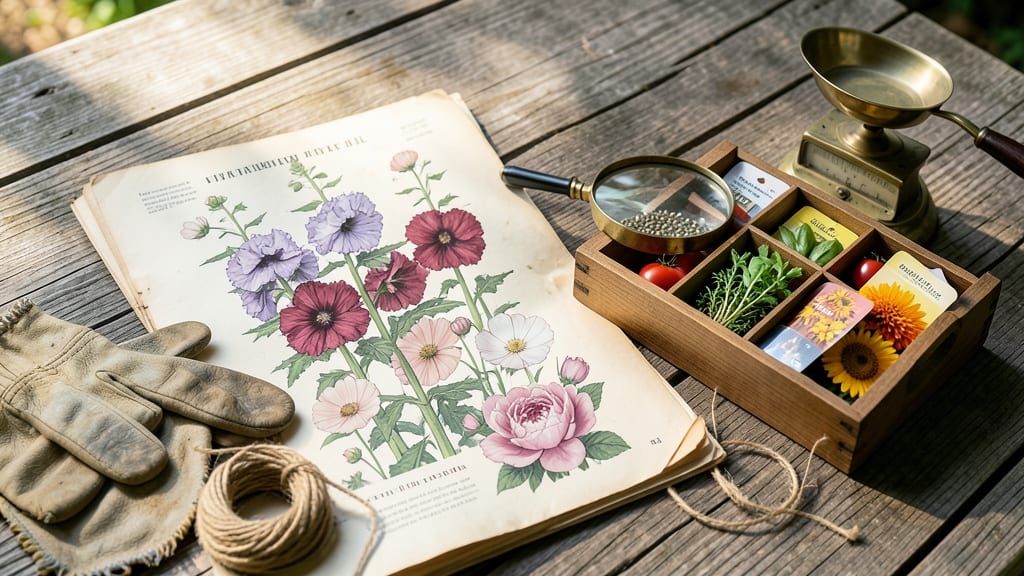
Flipping through garden seed catalogs in January feels like planting the future. 🌱 These colorful pages hold the key to your garden's success—varieties tailored to your climate, planting timelines that match your zone, and the exact seeds for the blooms you've always wanted.
I used to pick seeds randomly, but now my garden thrives because I plan like a pro using these catalogs.
The best catalogs do more than show pretty pictures—they include hardiness zone maps, days to maturity, and plant spacing guides that turn guesswork into a foolproof plan. You'll find heirlooms, disease-resistant hybrids, and even rare varieties you won't find at garden centers.
My favorite part? Comparing notes on planting dates and succession schedules so I never miss a harvest.
With the right catalog, you'll design a garden that blooms from spring to frost. Imagine tomatoes ripening in July, zinnias stretching into October, and cool-season greens thriving in winter—all because you matched seeds to seasons.
The catalog becomes your gardening GPS, guiding every decision from soil prep to harvest time.
Start by marking your zone and circling varieties that excite you. Then cross-reference with your garden's sunlight and space. Before you know it, you'll have a planting schedule that works for your climate—and a garden that outperforms your neighbors'. Here's how to make the most of those catalog pages!
📚 In This Guide
- What you need
- Instructions
- Tips and common mistakes
- Wrapping up and next steps
What you need
- ● Seed Catalogs (2-5 copies): Printed or digital catalogs from trusted suppliers (e.g., Burpee, Park Seed, Johnny’s Selected Seeds)
- ● Look for catalogs with detailed planting zones (USDA Hardiness Zone map) and seasonal guides.
- ● Notebook or Digital Planner: For tracking seed orders, planting dates, and garden layout (spiral-bound or tablet app).
- ○ Optional: Color-coded tabs or highlighters for organization.
- ● Measuring Tape (10-25 ft): To map out garden beds and spacing.
- ● Graph Paper or Garden Planning Software: Free tools like Garden Planner (app) or printable templates.
- ● Know Your Zone: Verify your blank">USDA Plant Hardiness Zone (e.g., Zone 5-10) to match seed catalog recommendations.
- ● Sunlight & Soil Analysis: Test soil pH (kits available at garden centers) and sunlight exposure (full sun = 6+ hours/day).
- ○ Optional: Soil moisture meter for precision.
- ● Budget: Set aside $50–$200+ for seeds, depending on garden size and variety.
- ● Local Regulations: Check for heirloom seed laws or restrictions on certain plants in your area.
- ● ✨ Compare catalogs: Some specialize in organic, heirloom, or drought-resistant seeds.
- ● 🌡️ Check last frost dates: Use blank">The Old Farmer’s Almanac for your region.
- ● 🎯 Order early: Popular seeds (like tomatoes or peppers) sell out fast!
How to use garden seed catalogs for a year-round planting plan
Seed catalogs aren't just pretty pictures—they're your blueprint for a vibrant garden all year.
📖 Step 1: Organize Catalogs by Seasonal Planting Zones
First, group plants by your USDA hardiness zone and last frost date (find yours online). Most catalogs list planting months directly, but I always double-check against my local extension service's frost calendar—some varieties need earlier starts than the catalog suggests. Highlight or tab your catalogs by season: cool-season crops (like kale) thrive in early spring and fall, while heat-lovers (like tomatoes) need warm soil.
I keep a small notebook next to my catalogs to jot down notes like "Zone 6: Start peppers indoors 8-10 weeks before last frost" or "Zone 8: Direct-sow beans after March 15." This prevents overwhelm later when you're staring at 200 seed varieties and wondering where to begin. The key is to focus on 3-4 seasonal groups at a time—spring, summer, fall, and winter hardy plants.
🌱 Step 2: Map Out Plant Successions for Continuous Blooms
Instead of planting everything at once, use your catalog's maturity days to create a planting succession schedule. For example, if your catalog says 'Cherry Tomatoes' take 65 days to harvest, and your last frost is May 15, you'll need to start seeds indoors by March 1 to have ripe tomatoes by July. But here's the trick: plant another batch 2 weeks later for a second harvest in August.
I draw a simple timeline on graph paper, marking planting dates in one color and harvest windows in another. This shows gaps where you can slip in fast-growing crops like radishes or lettuce. Pro tip: Use biennial plants (like parsley or foxglove) in fall for winter interest—they'll bloom next spring from seeds planted this year.
☀️ Step 3: Balance Sun, Soil, and Space Requirements
Now, cross-reference your catalog's sunlight needs with your garden's actual light conditions. A catalog might say "full sun," but your shady spot gets only 4 hours of direct light—so swap sun-lovers (like zinnias) for shade-tolerant options (like impatiens). I sketch my garden layout on grid paper, labeling each bed with its square footage and sunlight hours per day.
Check your catalog's plant spacing guidelines carefully. Crowding leads to weak stems and disease, while over-spreading plants waste space. For example, 'Sunflower 'Moulin Rouge' needs 12 inches apart, but 'Sunflower 'Autumn Beauty' can handle 6 inches—so I plant the latter in borders where I want dense color. Use your catalog's square-foot planting charts if available; they're designed to maximize yield in small spaces.
📅 Step 4: Build a Seed-Ordering Timeline
Order seeds 3-4 months before your first planting date—most catalogs ship in 2-3 weeks. I prioritize long-season crops (like broccoli or cabbage) first, since they need the most time to mature. For example, if your catalog says 'Broccoli 'Waltham 29' takes 85 days and your last frost is April 15, you'll need to start seeds by January 1 to harvest by July.
Here's my ordering strategy: Order 50% of seeds in winter (for early spring planting), 30% in early spring (for summer crops), and 20% in late summer (for fall/winter harvests). I always order extra seeds for varieties I love—10-15% more than needed—because germination rates aren't perfect, and you'll inevitably want to share (or replant).
✂️ Step 5: Plan for Year-Round Interest
Flip through your catalog's bloom time charts to create a garden that thrives in every season. For example, winter brings pansies, snowdrops, and hellebores; spring features tulips, daffodils, and sweet peas; summer shines with zinnias, sunflowers, and cosmos; and fall delivers mums, asters, and ornamental kale. I highlight 3-5 plants per season that will dominate my color palette, then fill in with filler plants (like alyssum or calendula) for texture.
Don't forget edible plants—catalogs often include herbs, salad greens, and microgreens that can be tucked into containers or borders. For example, basil and cilantro thrive in summer, while kale and spinach handle fall frosts. Use your catalog's companion planting guides to group plants that support each other (like marigolds with tomatoes to deter pests). This ensures your garden stays productive and beautiful from January to December**.
Tips & tricks for mastering your year-round planting plan
These insider strategies will help you turn seed catalogs into a foolproof garden schedule—without the overwhelm.
Seasonal Grouping Hack: Instead of just highlighting planting months, I color-code my catalogs by USDA zone with sticky notes. For example, cool-season crops like kale get blue tabs, while tomatoes get red. This visual system makes it instantly clear which seeds belong in your spring vs. summer planting rotations. I also mark 8-10 weeks before last frost with a bold star—this is your critical deadline for starting long-season crops indoors.
Succession Planting Visual: Create a master timeline using graph paper where you plot planting dates in green and harvest windows in yellow. The gaps between harvests reveal perfect spots for quick-growing fillers like radishes (25 days) or lettuce (30 days). I keep this timeline pinned above my desk so I can adjust as seasons shift. The key is to stagger plantings by 2 weeks for continuous blooms—this prevents that dreaded "garden lull" between harvests.
Sunlight Mapping: Most catalogs define "full sun" as 6+ hours, but your garden might only offer 4 hours in shady spots. I sketch my garden layout with sunlight hours labeled in each zone, then swap sun-lovers for shade-tolerant varieties like impatiens or hostas. For border plants, I use the catalog's square-foot planting charts—they're designed to maximize yield in tight spaces without overcrowding.
Ordering Strategy: Place your seed orders in three batches: 50% in winter (for early spring crops), 30% in early spring (for summer), and 20% in late summer (for fall). I always add 10-15% extra of my favorite varieties—germination rates aren't perfect, and you'll want extras for sharing or replanting. Pro tip: Order heirloom seeds early—they sell out fast!
Pro Tips for Garden Seed Catalogs
- These insider strategies will help you turn seed catalogs into a foolproof garden schedule—without the overwhelm.
- Seasonal Grouping Hack: Instead of just highlighting planting months, I color-code my catalogs by USDA zone with sticky notes.
- Succession Planting Visual: Create a master timeline using graph paper where you plot planting dates in green and harvest windows in yellow.
Frequently asked questions
When is the best time to order seeds from a catalog?
Most catalogs recommend ordering 6–8 weeks before your last frost date to ensure seeds arrive in time for spring planting. For fall/winter crops (like kale or spinach), order seeds 2–3 months before your first frost. Pro tip: Some catalogs offer "early bird" discounts—order sooner to save!
Can I plant seeds from a catalog year-round, or are there seasonal limits?
Seasonal limits depend on your hardiness zone and the plant type. Catalogs often label seeds as "cool-season" (spring/fall) or "warm-season" (summer). Check the planting chart in your catalog—it’s your roadmap! Extend seasons with row covers or greenhouses for early/late planting.
Are seed catalogs more expensive than buying seeds at a store?
Not always! Catalogs often offer heirloom, organic, or rare varieties not found in big-box stores. While individual seed packets may cost more, bulk discounts and exclusive varieties can save you money long-term. Compare prices per seed—sometimes catalogs win!
What if my seeds don’t germinate after ordering from a catalog?
First, check the expiration date (most seeds last 1–5 years). Store seeds in a cool, dry place—moisture or heat can kill them. If germination fails, contact the catalog for replacements (many offer 100% satisfaction guarantees). Test viability by soaking seeds in water—sinkers are good, floaters may be dead.
Do seed catalogs ship internationally, or should I stick to local options?
Many catalogs ship internationally, but shipping costs and customs fees can add up. Check their website for international policies—some specialize in global shipping (like Baker Creek Heirloom Seeds). For local options, visit seed swaps or farmers' markets!
Wrapping up and next steps
Garden seed catalogs are your year-round passport to vibrant blooms and bountiful harvests—whether you're a seasoned gardener or just starting your green thumb journey! 🌱 From planning your planting calendar to discovering rare varieties, these catalogs make it easy to turn dreams into dirt.
The key? Start small, stay curious, and let your garden grow with you.
Ready to dive in? Pick up a catalog today, sketch your dream garden, and take the first step toward a season of color, flavor, and joy. Your future self (and your local pollinators!) will thank you. 🌸