
Lawn
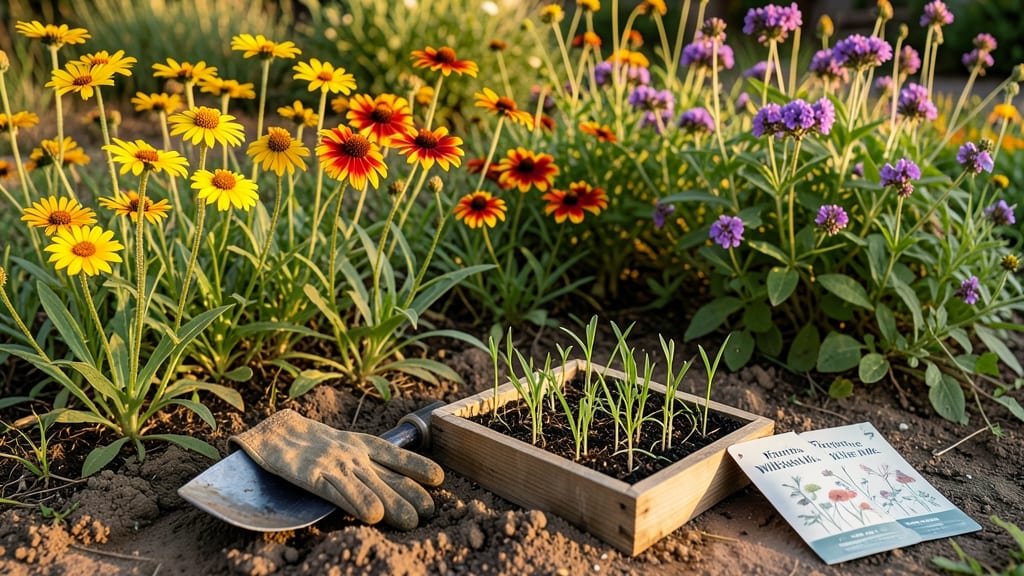
Florida wildflower seed mixes transform bare soil into vibrant pollinator magnets year-round. 🌸 I still remember the first time my patch of dead grass exploded into purple, orange, and yellow blooms—it was like magic, but with science backing it up.
These native flowers aren’t just beautiful; they’re hardy, drought-tolerant, and designed to thrive in Florida’s heat and humidity without constant fuss.
The secret starts with minimal prep: clear debris, loosen the top inch of soil, and scatter seeds lightly—no need for heavy tilling or perfect rows. Plant in fall or early spring when temperatures are mild, and water just enough to keep the soil damp for the first few weeks.
Most mixes bloom within 6-8 weeks, and once established, they’ll spread naturally, creating a low-maintenance carpet of color that bees and butterflies can’t resist.
What you’ll end up with is a garden that stays lush through Florida’s dry seasons and still bursts with color when others are brown. The flowers attract hummingbirds, monarchs, and native bees, turning your yard into an ecosystem hotspot while saving you hours of mowing.
My neighbors now ask for my spare seeds—proof that this isn’t just gardening, it’s landscape transformation.
Works in full sun to partial shade, from small urban yards to large rural properties. The key to long-term success? Just let nature take over after the initial setup—mow high once a year to keep weeds down, and enjoy the show. Here’s how to make it happen without the headache.
📚 In This Guide
- What you need
- Instructions
- Tips and common mistakes
- Wrapping up and next steps
What you need
- ● Florida Wildflower Seed Mix: 5–10 lbs (coverage depends on area; check seed bag for exact rates). Look for native varieties like Coreopsis, Black-Eyed Susan, and Blanket Flower.
- ● Preparation Tools: Hoe or rake (for clearing debris)
- ● Garden gloves (to protect your hands)
- ○ Soil Prep Supplies: Compost or organic fertilizer (optional but recommended for nutrient-poor soil)
- ● Lightweight topsoil or native soil blend (if amending existing soil)
- ● Watering Equipment: Hose with a gentle spray nozzle or drip irrigation kit
- ● Watering can (for small patches)
- ● Broadcast Spreader: For even seed distribution (especially useful for larger areas). A hand-crank model works great for beginners.
- ● Mulch (Straw or Pine Straw): 1–2 inches to retain moisture (critical during Florida’s dry spells).
- ○ Weed Barrier Fabric: Optional for areas prone to invasive weeds (lay before seeding).
- ● Sunlight Meter: To confirm your planting zone gets 6+ hours of sun/day (wildflowers thrive in full sun!).
- ● Wildflower Seedling Trays: If starting seeds indoors (advanced option for rare varieties).
Step-by-Step instructions for planting Florida wildflower seed mix
Here’s how to transform your yard into a vibrant Florida wildflower haven with minimal fuss.
🌱 Step 1: Prepare the Soil for Wildflower Success
Wildflowers thrive in Florida’s sandy, well-draining soil, but they still need a little help to get started. Clear the planting area of weeds and debris, then loosen the top 4-6 inches of soil with a rake or hoe. Avoid tilling too deeply—wildflowers have shallow roots and prefer a loose, airy surface. If your soil is heavy clay, mix in a 1-inch layer of compost to improve drainage and fertility.
Test the soil moisture by squeezing a handful—it should crumble easily when dry but not feel compacted. Wildflowers hate soggy soil, so if your yard floods after rain, choose a slightly elevated spot or amend the soil with coarse sand to prevent waterlogging.
☀️ Step 2: Choose the Right Time and Location
Florida’s mild winters and hot summers make wildflowers easy to grow year-round, but timing matters for the best results. Scatter seeds in early spring (March-April) or late summer (August-September) to avoid competing with summer heat or winter rains. Avoid planting during peak summer drought or heavy winter storms, which can wash seeds away.
Pick a sunny spot—wildflowers need at least 6-8 hours of direct sunlight daily. Even partial shade can reduce blooms, so check your yard’s sun patterns before scattering seeds. If you’re planting near a fence or building, leave a 1-foot border to prevent overcrowding and allow air circulation.
💧 Step 3: Scatter Seeds Evenly for Natural Beauty
Empty the seed mix directly onto the ground and spread it thinly by hand—wildflowers grow best when they’re not crowded. Aim for about ½ pound of seed mix per 1,000 square feet. Walk slowly and overlap passes to ensure even coverage. Press seeds lightly into the soil with a rake or your foot to ensure good soil contact, but don’t bury them deeper than ¼ inch—most wildflower seeds need light to germinate.
Water the area gently but thoroughly right after planting to settle the seeds. Use a fine mist setting on your hose or a watering can to avoid dislodging them. Keep the soil moist (not soggy) for the first 2-3 weeks—this is critical for germination. Once seedlings appear, reduce watering to once a week unless rainfall is scarce.
✂️ Step 4: Maintain with Minimal Effort
Wildflowers are tough once established, but they need a little care in their first year. Let them grow tall before the first frost (if planting in fall) or during summer’s peak heat. Avoid mowing until after the first blooms appear—this gives roots time to strengthen. Once flowers fade, mow the area to 3-4 inches tall to encourage new growth and prevent weeds from taking over.
Fertilizer isn’t necessary—wildflowers thrive in lean soil. If your yard has heavy foot traffic or pets, consider enclosing the area with a temporary fence to protect young plants. After the first year, maintenance drops to almost nothing: just occasional mowing and enjoying the show.
🌿 Step 5: Encourage Year-Round Blooms
To keep your wildflower meadow vibrant, deadhead spent blooms in late fall to prevent reseeding where you don’t want it. Leave some seed heads for birds and bees, but trim back aggressive spreaders like butterfly weed if they take over. In late winter (February), give the area a light raking to remove debris and expose fresh soil for any dormant seeds.
Wildflowers self-seed over time, so you’ll see new blooms pop up in unexpected spots—this is a good thing! If you want to expand your meadow, simply scatter a little extra seed mix in bare patches. Within a few years, your yard will transform into a low-maintenance, pollinator-friendly paradise.
Tips & tricks for planting Florida wildflower seed mix
Transforming your yard into a vibrant wildflower meadow starts with these simple but game-changing tips.
Soil Prep Secret: In Step 1, when loosening the top 4-6 inches of soil, focus on breaking up any compacted layers without disturbing the deeper soil structure. I like to use a garden fork for this—it creates perfect air pockets for those shallow wildflower roots. If your soil feels gummy when wet, add a thin layer of coarse sand (about ½ inch) mixed into the top 2 inches to improve drainage without altering the natural composition. This mimics Florida's native sandy soils where wildflowers thrive.
Timing is Everything: The 6-8 hours of daily sunlight mentioned in Step 2 isn't just about blooms—it's about survival. Check your yard's sun patterns for at least 3 days before planting. Morning sun with afternoon shade works best in Florida's intense summer heat. Pro tip: Plant near your house's south or west side where the afternoon sun can help dry any morning dew quickly, reducing fungal risks for young seedlings.
Seed Spreading Strategy: For Step 3's ½ pound per 1,000 square feet, I recommend working in small sections (about 10x10 feet at a time) to maintain even coverage. Walk in a grid pattern, overlapping your passes by about 6 inches. This ensures no bare spots while preventing overcrowding. Press seeds lightly with your foot—just enough to make contact with soil, not bury them. Think "dusting" rather than "planting."
Watering Wisdom: That critical 2-3 week moist-but-not-soggy period can be tricky with Florida's unpredictable rains. I set up a simple drip irrigation system on a timer for 10 minutes twice daily during this window. If you don't have irrigation, water in the early morning so moisture evaporates by afternoon. Avoid overhead watering—it can wash seeds away or create mud puddles that suffocate them.
Pro Tips for Florida Wildflower Seed Mix
- Transforming your yard into a vibrant wildflower meadow starts with these simple but game-changing tips.
- Soil Prep Secret: In Step 1, when loosening the top 4-6 inches of soil, focus on breaking up any compacted layers without disturbing the deeper soil structure.
- Timing is Everything: The 6-8 hours of daily sunlight mentioned in Step 2 isn't just about blooms—it's about survival.
Frequently asked questions
Got questions about transforming your Florida landscape with wildflower seed mixes? You’re not alone! Here are some of the most common queries—plus straightforward answers to help you plant with confidence.
When is the best time to plant Florida wildflower seeds?
The ideal window is late summer to early fall (August–October), when soil is warm and rainfall is plentiful. This mimics natural conditions, giving seeds a head start before winter. For spring blooms, sow in late winter (February–March), but expect slower germination due to cooler temps.
How long does it take for wildflowers to bloom after planting?
Most Florida wildflowers sprout in 10–21 days, but blooms may take 6–12 weeks to appear. Patience pays off—once established, many varieties (like Coreopsis or Blackfoot Daisy) self-seed annually, reducing future work. Pro tip: Lightly rake soil after planting to ensure good seed-to-soil contact!
Do I need to water wildflowers daily?
Nope! Wildflowers thrive on drought tolerance once rooted. Water lightly daily for the first 2 weeks to keep soil moist, then taper to 2–3 times per week (or when rainfall is scarce). Overwatering can suffocate seeds—aim for ½ inch of water per week total.
Will wildflowers attract bees or pests?
Yes—but it’s a good thing! Wildflowers support pollinators like bees and butterflies, boosting local ecosystems. To deter pests (e.g., aphids), choose native mixes (they’re adapted to Florida’s climate) and avoid over-fertilizing. If pests appear, a hose blast or neem oil spray usually does the trick.
Can I mix wildflower seeds with grass seed?
For a low-maintenance, colorful lawn, blend wildflower seeds (5–10% of the mix) with drought-resistant grasses like Bahia or Centipede. Just note: Wildflowers may outcompete grass in sunny areas. Pro tip: Use a starter fertilizer (low nitrogen) to help both thrive.
What if my wildflowers don’t grow?
Troubleshoot with this checklist:
- Seed viability: Store seeds in a cool, dry place (they last 1–2 years unopened).
- Sunlight: Most Florida wildflowers need 6+ hours of sun daily.
- Soil prep: Loosen soil to ¼ inch deep and remove debris.
- Competition: Mow high (3–4 inches) or spot-treat weeds before planting.
Wrapping up and next steps
Transforming your Florida landscape into a vibrant, low-maintenance wildflower haven is easier—and more rewarding—than you think! With the right Florida wildflower seed mix, you’ll enjoy year-round color, support local pollinators, and reduce water usage while adding natural beauty to your yard. 🌸
Ready to take the next step? Start small with a test patch, or go bold and plant a full garden—either way, you’re creating a thriving ecosystem that’s as good for the planet as it is for your eyes. Happy planting! 🌱