
Lawn
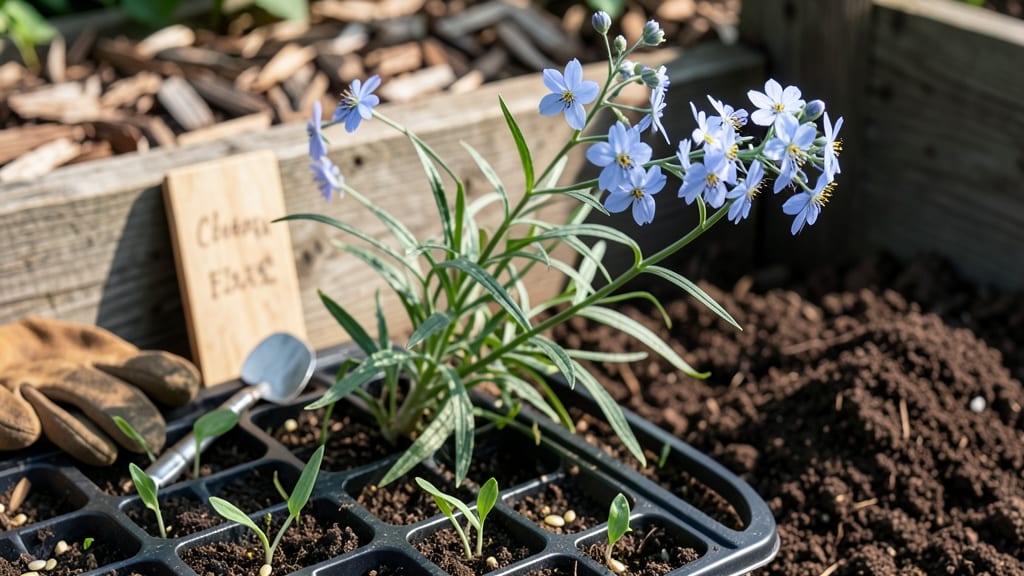
Planting flax seeds for fast, dense yields starts with understanding their stubborn little nature—these seeds need cold, dark soil to break dormancy before they’ll even think about sprouting. 🌱 I’ve learned the hard way that rushing them with warmth or light just leaves you staring at empty rows, but with the right timing and technique, you’ll see those first pale shoots in just 10-14 days.
The secret lies in stratification: either plant them in fall for natural winter chilling or mimic it by refrigerating seeds for 2-4 weeks before spring planting.
Flax thrives in cool climates (zones 3-7), where they’ll bolt and flower in 60-70 days, giving you either golden fiber for linen, nutrient-rich oil, or delicate blue flowers for pollinators—whichever you’re growing for.
Just don’t let the soil warm above 70°F, or you’ll trigger early flowering before the plants mature. Once they’re up, keep the soil consistently moist but never soggy—flax hates wet feet.
Thin seedlings to 6-12 inches apart (closer for fiber, wider for oilseed), and watch them race toward that first bloom. The payoff? A field of swaying blue flowers that attracts bees and produces seeds worth harvesting, all from tiny specks you barely noticed sprouting.
This method works whether you’re planting a small ornamental border or a large-scale fiber crop—just adjust your spacing and harvest timing. The key is patience: flax won’t rush, but with these tricks, you’ll get results faster than you’d expect.
📚 In This Guide
- What you need
- Instructions
- Tips and common mistakes
- Wrapping up and next steps
What you need
- ● Flax seeds: 1–2 lbs (high-quality, certified organic if possible). Look for varieties like Linum usitatissimum for best yields.
- ● Well-draining soil: Test for pH 6.0–7.0. Amend with compost if needed (1–2 inches mixed into top 6 inches of soil).
- ● Watering can or hose: With a gentle spray nozzle for even moisture.
- ● Garden bed or containers: For in-ground planting: A 4–6 ft wide, 12–18 inch deep bed (flax prefers loose soil).
- ● For containers: 5–6 inch deep pots (minimum) with drainage holes.
- ● Row marker or string: To space seeds 6–12 inches apart (or 12–18 inches for bushier plants).
- ○ Fertilizer (optional but helpful): Low-nitrogen, phosphorus-rich fertilizer (e.g., 5-10-10) at planting time.
- ● Hand trowel or transplanting tool: For loosening soil and creating seed furrows.
- ● Mulch (straw or grass clippings): 1–2 inches to retain moisture and suppress weeds.
- ● Pruners or scissors: For harvesting mature seed pods (when stems turn golden-brown).
- ○ Sunlight meter (optional): To confirm your garden gets 6+ hours of full sun daily.
- ○ Shade cloth (optional): For hot climates—provides 30–50% shade if temps exceed 85°F.
- ● 📅 Timing: Plant in early spring (after last frost) or late summer (6–8 weeks before first frost). Flax hates heatwaves!
- ● 💧 Water access: Consistent moisture is critical—especially during germination (keep soil damp, not soggy).
- ● 🌿 Weed-free zone: Clear the area 2–3 weeks before planting to avoid competition.
Step-by-step instructions for planting flax seeds
Here's how to get your flax seeds sprouting quickly and growing thickly—no guesswork involved.
🌱 Step 1: Pre-Soak Seeds for Faster Germination
Flax seeds have a tough outer shell that slows sprouting. Soak them in lukewarm water for 12-24 hours before planting. Use a shallow container and stir them occasionally to prevent mold. You'll know they're ready when they look slightly plump and swollen—this softens the shell so roots can break through faster.
Drain the seeds in a fine-mesh strainer and let them air-dry for 10-15 minutes before handling. This prevents them from sticking together, making it easier to plant evenly. I like to do this step the night before planting so they're ready to go in the morning.
🪴 Step 2: Prepare Containers with Well-Draining Soil
Flax seeds need loose, fertile soil to grow quickly. Fill your containers with a mix of 50% potting soil and 50% perlite or sand to improve drainage—flax hates soggy roots. Press the soil down lightly but don't compact it too much; flax roots need room to spread.
Make small furrows ¼ inch deep with your finger or a small stick. Space them 6 inches apart if planting in rows, or scatter seeds thinly if using individual pots. The key here is not to bury them too deep—flax seeds need light to trigger germination, so keep them just beneath the soil surface.
💧 Step 3: Plant and Water Gently for Even Moisture
Drop the pre-soaked seeds into the furrows, spacing them 1-2 inches apart for dense yields. Cover them with a thin layer of soil—just enough to hide them but not smother them. Water gently with a spray bottle or fine mist until the soil looks evenly damp but not soaked.
Here's the trick: place the containers in a warm, shaded spot (around 70-75°F) for the first 3-5 days. Flax seeds germinate fastest in warmth but need darkness to avoid drying out. You'll see tiny sprouts poking through the soil in just 2-4 days—that's your reward for pre-soaking!
☀️ Step 4: Move to Bright Light and Maintain Consistent Care
Once the first true leaves appear (not the initial seed leaves), move your flax to a spot with full sun (6+ hours daily). If growing indoors, supplement with a grow light 4-6 inches above the plants. You'll notice the stems straighten and leaves darken—this means they're getting the light they need to grow thick and sturdy.
Water when the top inch of soil feels dry, but avoid overwatering. Flax plants are drought-tolerant once established, but young seedlings need steady moisture. A good rule is to water deeply every 2-3 days in warm weather, then reduce to every 4-5 days once they reach 6 inches tall.
✂️ Step 5: Thin and Harvest for Maximum Yield
When seedlings are 2-3 inches tall, thin them to 3-4 inches apart to give each plant room to grow. Use scissors to snip unwanted seedlings at the base—this prevents disturbing the roots of the plants you're keeping. You'll see the remaining plants fill out faster and produce denser stems.
Harvest flax when the lower leaves turn golden and the stems begin to dry slightly (usually 60-75 days after planting). Cut the entire plant at the base and hang it in a dry, airy spot for 1-2 weeks to fully dry. Once the seeds rattle inside the pods, you're ready to process them for oil or fiber.
Tips & tricks for perfect flax seed germination
These little tricks will help you skip the guesswork and get your flax seeds sprouting like clockwork.
Soaking Secret: Don't just dump your seeds in water and forget about them! Stir them every 4-6 hours during that 12-24 hour soak to prevent mold growth. I use a clean glass jar with a loose lid and give it a gentle shake each time. This keeps the water circulating and gives you those plump, ready-to-sprout seeds you want. Trust me, this small effort makes all the difference when you see those first sprouts in just 2-4 days.
Temperature Matters: That 70-75°F range during the first 3-5 days is critical for fast germination. If your home runs cooler, place your containers on top of your fridge or near a sunny window (but not direct sun yet!). I've seen seeds sprout in 48 hours when kept at the perfect temp, but they can take twice as long if too cool. A simple thermometer near your plants helps track this without guesswork.
Light Trick: When moving your seedlings to full sun after the first true leaves appear, do it gradually. Start with 3-4 hours of morning sun and increase by an hour each day. This prevents sunburn on tender new leaves. I've seen seedlings wilt dramatically when moved straight to full sun—don't make that mistake! The gradual transition helps them develop that sturdy, golden-green color we want.
Thinning Tip: Wait until those seedlings hit 2-3 inches before thinning—you'll be surprised how much they grow in just a few days! Use clean scissors (not your fingers) to snip at the base, and do it on a cloudy day or in the evening to reduce stress on the remaining plants. I've found that thinning at this stage gives you the densest stems possible, which is what we're after for that thick, lush harvest.
Pro Tips for Flax Seed Planting
- These little tricks will help you skip the guesswork and get your flax seeds sprouting like clockwork.
- Soaking Secret: Don't just dump your seeds in water and forget about them!
- Temperature Matters: That 70-75°F range during the first 3-5 days is critical for fast germination.
Frequently asked questions
Got questions about growing flax seeds? You’re not alone! Here are some of the most common concerns—plus quick, practical answers to help you plant with confidence.
When is the best time to plant flax seeds for optimal germination?
Flax thrives in cool weather, so aim to plant early spring (as soon as soil reaches 40°F) or late summer/early fall (6-8 weeks before your first frost). Avoid planting in hot summer months—seeds may sprout too quickly and bolt before maturing. For dense yields, prioritize well-drained soil and consistent moisture during germination.
How long does it take for flax seeds to germinate?
Under ideal conditions (moist, 60–70°F soil), flax seeds typically germinate in 7–14 days. If germination takes longer, check soil moisture—flax seeds need consistent dampness (not soggy) to sprout. Thin seedlings to 6–12 inches apart once they’re 2–3 inches tall to prevent overcrowding.
Can I plant flax seeds in containers or small spaces?
Flax is a compact crop—it grows 2–4 feet tall—making it perfect for containers, raised beds, or even small backyard plots. Use a 6-inch-deep pot with drainage holes and well-draining potting mix. Just ensure it gets 5–6 hours of sunlight daily for best results.
What pests or diseases should I watch for when growing flax?
Flax is generally pest-resistant, but keep an eye out for aphids, cutworms, or fungal issues (like rust) in humid climates. Use row covers early to deter pests, and rotate crops yearly to prevent soil-borne diseases. If mildew appears, improve airflow by spacing plants farther apart and avoid overhead watering.
Can I harvest flax seeds for planting the next year?
Yes! Let the plants mature fully (brown and dry), then gently rub stems between your hands to release seeds. Store them in a cool, dry place (like a sealed jar in the fridge) for up to 2 years. For best viability, test a few seeds in damp paper towels before replanting—if they sprout within 10 days, they’re still good to go!
Wrapping up and next steps
Planting flax seeds for a lush, high-yield harvest is totally within your reach—just follow the right tricks! 🌱 From choosing the perfect soil to timing your sowing and nurturing young sprouts, every step plays a role in unlocking fast, dense growth.
With patience and these proven techniques, you’ll soon enjoy a thriving flax field ready for harvest.
Ready to take the next step? Start small—try a test patch this season, keep detailed notes, and refine your approach. Before you know it, you’ll be a flax-growing pro, sharing your green thumb success with fellow gardeners! 🌟