
Lawn
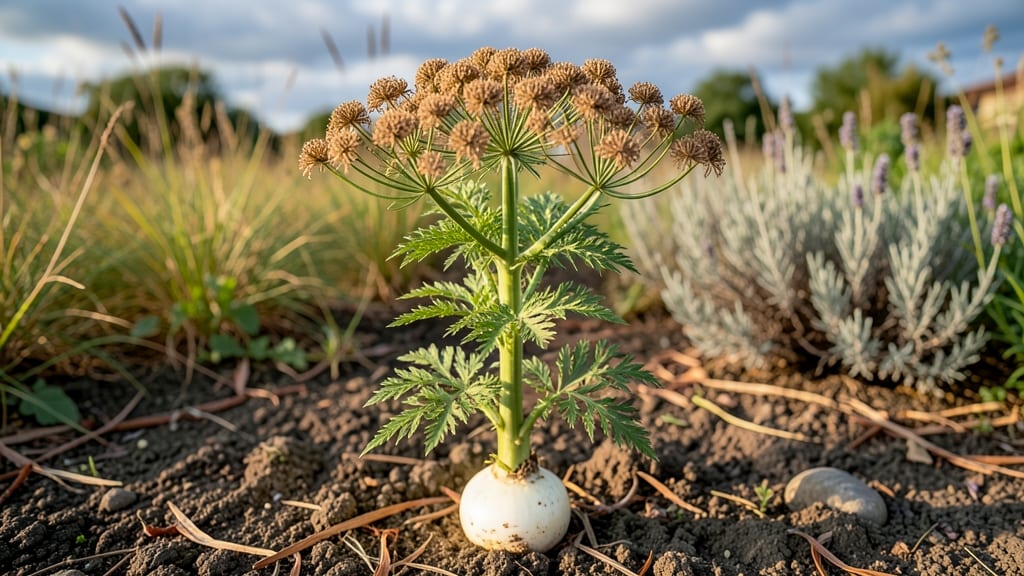
Harvesting fennel seed heads without the frustrating twist-and-pull struggle is totally doable—and the seeds are worth every minute. 🌿 I learned the hard way that waiting too long or yanking too hard turns those delicate seed clusters into tangled messes, but once you master the timing and technique, you’ll collect viable seeds all year long for cooking, crafts, or even medicinal uses.
Start with well-drained soil and plenty of space—fennel plants need 12-18 inches between them to avoid crowding. Thin seedlings early to prevent competition, and watch for bolting (flowering) in midsummer. The key is patience: seed heads form slowly, and harvesting too soon means immature seeds that won’t store well.
A sharp pair of pruners makes the job cleaner than twisting by hand.
When the seed heads turn golden-brown and papery, cut them carefully—before they shatter—and hang them upside down in a dry, dark place. Within 2-3 weeks, the seeds will release easily, ready to store in airtight containers.
The flavor? Earthy, anise-like, and perfect for seasoning dishes or even homemade remedies.
Pro tip: Save a few seed heads for next year’s garden, and avoid overwatering once flowering starts—wet seeds rot faster. With this method, you’ll skip the seed-store markup and enjoy homegrown fennel seeds that taste like summer all winter long.
📚 In This Guide
- What you need
- Instructions
- Tips and common mistakes
- Wrapping up and next steps
What you need
- ● Fennel plants (Foeniculum vulgare): Mature plants with fully developed seed heads (brown, dry, and papery)
- ● Ideally grown in USDA zones 5-10 for optimal yield
- ● Pruning shears or sharp scissors: Clean, sterilized blades to avoid plant disease (e.g., Fiskars 8-inch Pruners)
- ● Brown paper bags or breathable seed-saving envelopes: 1-2 bags per plant (e.g., 10-inch Kraft paper lunch bags)
- ● Labeling tags (write plant variety + harvest date)
- ● Newspaper or cardboard: For drying seed heads (1 sheet per batch)
- ○ Small mesh sieve or colander (optional but helpful for sifting)
- ● Glove (to protect hands from prickly stems)
- ● Twine or rubber bands (to bundle seed heads for drying)
- ● Food dehydrator or oven (for expedited drying if needed)
- ● Digital scale (to track seed yield in grams/ounces)
- ● Air-tight glass jars (for long-term seed storage post-harvest)
Step-by-Step instructions for harvesting fennel seed heads
Here’s how to collect fennel seeds without damaging the plant—ensuring strong, viable seeds for next season.
🌿 Step 1: Identify Mature Seed Heads
Wait until the fennel’s seed heads turn from green to a golden-brown color—this signals full maturity. The individual seed clusters should feel dry and papery when gently squeezed. I like to check in early morning when dew isn’t masking the color shift. If you harvest too soon, seeds won’t ripen properly; too late, and they may scatter before you collect them.
Look for the feathery, umbrella-like shape to fully dry on the stalk. If you see seeds already falling to the ground, you’ve missed the window. The ideal moment is when the entire head looks uniformly dry but hasn’t yet released seeds. This usually happens 8-10 weeks after flowering, depending on your climate.
✂️ Step 2: Cut the Seed Heads Cleanly
Use sharp pruning shears to snip the entire seed head 1-2 inches below the base of the dried clusters. Avoid tearing the stalk—this prevents disease from entering through jagged cuts. I always sterilize my shears with rubbing alcohol between cuts to avoid contaminating the plant.
Place the cut heads in a dry, well-ventilated spot to finish drying. A mesh bag or paper sack works best—it allows airflow while keeping seeds contained. Avoid plastic bags, which trap moisture and encourage mold. If your climate is humid, spread the heads on a screen or paper towel indoors for 3-5 days to complete the drying process.
💧 Step 3: Dry and Store Seeds Properly
Once the seed heads are completely dry, rub them gently between your hands or use a fork to coax out the tiny, oval seeds. Store them in a glass jar or airtight container in a cool, dark place. Fennel seeds stay viable for 2-3 years if kept dry—moisture is their biggest enemy.
Label the container with the harvest date and variety. I also include a note about storage conditions (e.g., "kept in fridge"). If you notice any seeds sprouting before you’re ready to use them, transfer them to the freezer for longer-term storage. Properly stored seeds will retain their flavor and germination rate for planting next year.
🌱 Step 4: Prevent Seed Scattering and Ensure Viability
To avoid losing seeds to birds or wind, harvest on a dry day when humidity is low. If you’re growing fennel in a windy area, consider covering the plants with floating row covers once the seed heads form. This keeps seeds contained while still allowing pollination.
Test a few seeds for viability by placing them in a damp paper towel for 48 hours. If they sprout, your stored seeds are good to go. If not, you may need to source fresh seeds for next season. Fennel seeds are finicky—patience during harvest pays off with strong, reliable germination later.
Tips & tricks for perfect fennel seed harvesting
Harvesting fennel seeds successfully takes patience and precision—here’s how to avoid common pitfalls and maximize your yield.
Timing Secret: The 8-10 week window after flowering is non-negotiable for full maturity, but don’t wait until the seeds start falling naturally. I’ve learned this the hard way—once seeds scatter, they’re gone. Check daily for that golden-brown color and papery texture, especially in mornings when dew isn’t masking the color shift. If you’re in a cooler climate, this window might extend to 12 weeks.
Cutting Technique: When you’re ready to harvest in Step 2, use a clean, sharp pair of pruning shears and make your cut 1-2 inches below the base. The key is to avoid tearing the stalk—this prevents disease entry points. I sterilize my shears with rubbing alcohol between cuts to maintain plant health. For larger fennel patches, consider wearing gloves to protect your hands from the plant’s sap, which can cause skin irritation.
Drying Strategy: The 3-5 day drying period in Step 2 is crucial, especially in humid climates. I’ve found that spreading the seed heads on a screen indoors with a small fan aimed at them speeds up the process without risking moisture buildup. Avoid plastic bags entirely—they create the perfect environment for mold growth. A mesh bag or paper sack works best, allowing airflow while keeping seeds contained.
Storage Wisdom: For long-term viability, store your fennel seeds in a glass jar with a tight-sealing lid in a cool, dark place. I’ve had seeds last up to 3 years when stored properly, but moisture is the enemy. If you notice any seeds sprouting prematurely, transfer them to the freezer immediately. Labeling your containers with the harvest date and variety saves headaches later—trust me, you’ll forget otherwise!
Pro Tips for Fennel Seed Heads
- Harvesting fennel seeds successfully takes patience and precision—here’s how to avoid common pitfalls and maximize your yield.
- Timing Secret: The 8-10 week window after flowering is non-negotiable for full maturity, but don’t wait until the seeds start falling naturally.
- Cutting Technique: When you’re ready to harvest in Step 2, use a clean, sharp pair of pruning shears and make your cut 1-2 inches below the base.
Frequently asked questions
How do I know when fennel seed heads are ready to harvest?
The best time to harvest fennel seed heads is when the umbels (flower clusters) turn a light golden-brown and begin to dry out, usually 6–8 weeks after flowering. Gently squeeze a seed head—if the seeds rattle inside, they’re ready! Avoid harvesting when damp to prevent mold.
Can I harvest fennel seeds without twisting the stems?
Yes! Twisting can damage the plant, but you can carefully snip the seed heads with clean scissors or pruners. For larger plants, cut the entire umbel cluster and hang it upside-down in a paper bag to dry. This preserves the plant’s structure for future growth.
How long do fennel seed heads take to dry indoors?
Fennel seed heads typically take 1–2 weeks to fully dry indoors. Store them in a well-ventilated area (like a mesh bag or open container) away from direct sunlight. Once completely dry, the seeds will easily release from the umbels with a gentle shake.
What can I do if my fennel seed heads are attracting pests?
Pests like aphids or spider mites can target fennel seed heads. To deter them, spray the plant with neem oil or a soapy water solution (1 tsp mild soap per quart of water). For severe infestations, isolate the plant and treat it promptly to avoid spreading.
Are there alternatives to growing fennel for seed heads?
If you don’t want to grow fennel, you can buy dried fennel seeds from health food stores, spice shops, or online retailers. For a similar flavor, try anise or caraway seeds, though their profiles differ slightly. Always check for organic or pesticide-free options if possible.
Wrapping up and next steps
Fennel seed heads aren’t just a bonus—they’re a year-round treasure waiting to be harvested with ease! By mastering the twist-free method, you unlock a simple, sustainable way to enjoy fresh seeds for cooking, gardening, or even crafting.
Whether you’re a seasoned gardener or just starting out, this technique makes the process effortless and rewarding.
Ready to level up your fennel game? 🌱 Start by planting a few more fennel seeds this season—experiment with different varieties, and soon you’ll have a steady supply of aromatic seeds at your fingertips. Happy harvesting!