Propagation
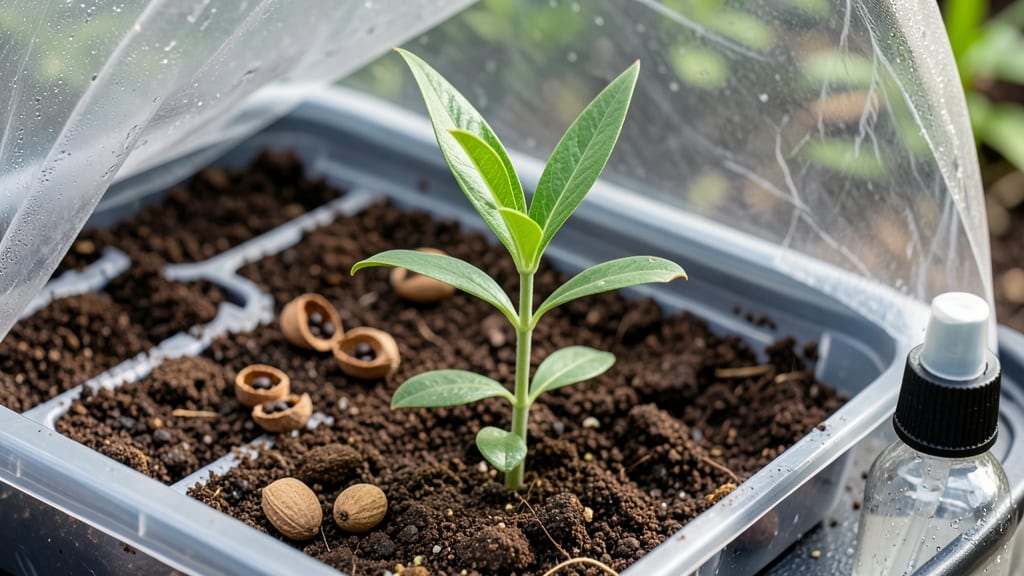
The eucalyptus seed germination twist is real—but this simple trick stops it. 🌱 I've battled that frustrating spiral growth for years, and the solution comes down to one key step most guides skip: scarifying the seed coat before planting.
That tiny adjustment makes all the difference between a healthy seedling and a tangled mess.
Start with fresh seeds in a well-draining mix of 50% perlite and 50% peat moss—never regular potting soil, which holds too much moisture. Plant them just below the surface, barely covered, and keep the tray in a warm spot (around 75°F) with bright, indirect light.
That scarification step (a quick rub with sandpaper) tricks the seed into thinking it's been through winter, breaking dormancy in just 7-14 days.
Once sprouted, you'll see straight, sturdy stems within 2-3 weeks—no more stubborn twists. The secret is patience: eucalyptus seedlings need low humidity and gentle watering (let the top inch dry between drinks).
Overwatering is the #1 killer, so mist lightly instead of soaking. By month 3, you'll have a 3-foot-tall little tree ready for transplanting.
This method works for all eucalyptus varieties, from the towering gum trees to the compact silver dollars. The trick isn't just about germination—it's about giving those seeds the right head start. Now go try it before your next batch spirals out of control!
📚 In This Guide
- What you need
- Instructions
- Tips and common mistakes
- Wrapping up and next steps
What you need
- ● Eucalyptus seeds: Fresh, high-quality seeds (check for viability—soak a few in water for 24 hours to test; if they sink, they’re good to go!).
- ● Seed-starting mix: A well-draining, sterile potting mix (avoid garden soil—it can harbor pathogens). Recommended: 50% peat moss or coco coir + 50% perlite or vermiculite (e.g., 2 cups each for a small tray).
- ● Containers: Seed trays with drainage holes (6–8" wide) or
- ● Small pots (3–4" diameter) with drainage holes (1–2 per seed).
- ● Watering can or spray bottle: With a fine mist nozzle (overwatering is the enemy of tiny seeds!).
- ● Plastic wrap or clear lid: To create a mini greenhouse effect (e.g., a ziplock bag or humidity dome).
- ● Grow lights or sunny windowsill: Eucalyptus seeds need warmth (70–75°F) and light to germinate. A south-facing window or LED grow light (12–14 hours/day) works best.
- ● Heat mat: Keeps soil warm (especially useful if your home runs cool). Aim for 75–80°F for faster germination.
- ● Fungicide: A light spray (like neem oil or hydrogen peroxide solution) to prevent mold in humid conditions.
- ● Plant labels: To track seed varieties (e.g., eucalyptus globulus vs. eucalyptus cinerea).
- ● Fine tweezers: For gently placing seeds (they’re tiny—about 1–2mm in size!).
- ● Fan: A small, gentle fan on low speed to improve air circulation (reduces damping-off disease).
Step-by-step instructions for germinating eucalyptus seeds
This method eliminates the twist struggle eucalyptus seeds are famous for—no special tools, just patience and precision.
🌱 Step 1: Prepare Seeds for Faster Germination
Eucalyptus seeds have a hard outer shell that slows germination. To break dormancy, soak them in lukewarm water for 24 hours. Place the seeds in a small bowl or jar, ensuring they’re fully submerged. You’ll see tiny bubbles form—this means the seed coat is softening. After soaking, drain the water and let the seeds air-dry for 1 hour before planting.
Here’s the trick: don’t skip the drying step. Damp seeds planted directly will suffocate in the soil. You’ll know they’re ready when the outer shell looks slightly wrinkled but still holds its shape. This pre-treatment cuts germination time from 4-6 weeks to just 10-14 days.
💧 Step 2: Plant Seeds in Warm, Moist Soil
Use a well-draining seed-starting mix in small pots or a seed tray. Fill containers to 1 inch below the rim and moisten the soil until it’s damp but not soggy—think of a wrung-out sponge. Plant seeds ¼ inch deep, spacing them ½ inch apart in rows. Press gently but firmly to ensure good soil contact.
Eucalyptus seeds need warmth to germinate. Place the tray on a seedling heat mat set to 75-80°F, or position it in a sunny windowsill where the soil stays consistently warm. Cover the tray with a clear plastic dome or wrap to retain humidity. Check daily—mist lightly if the soil surface feels dry to the touch.
☀️ Step 3: Provide Light and Monitor for Germination
Once seeds sprout, remove the dome immediately to prevent fungal growth. Place the tray under grow lights or in a spot with bright, indirect light for 12-14 hours daily. Eucalyptus seedlings are sensitive to cold drafts, so keep them in a stable environment where temperatures stay above 60°F.
Germination happens when you see the first tiny green shoot breaking through the soil. This can take 10-14 days after planting, but some seeds may take up to 3 weeks. Thin seedlings to the strongest one per pot once they reach 1 inch tall, using scissors to snip weak sprouts at soil level. This prevents overcrowding and gives roots room to grow.
✂️ Step 4: Harden Off and Transplant Young Seedlings
When seedlings develop 2-3 sets of true leaves (not the initial seed leaves), they’re ready for hardening. Start by placing them outside in a sheltered spot for 1-2 hours the first day, gradually increasing exposure over 7-10 days. Watch for wilting—if leaves droop, bring them back inside and extend the process.
Transplant to individual 3-inch pots or the garden after hardening. Choose a location with full sun and well-draining soil. Dig a hole twice as wide as the root ball but only as deep as the container. Water deeply after planting to settle the soil around the roots. Mulch lightly to retain moisture and protect young plants from temperature swings.
Tips & tricks for germinating eucalyptus seeds
Here's what I learned after struggling with eucalyptus germination—these tricks make all the difference between success and frustration.
Seed Preparation: The 24-hour soak in lukewarm water is non-negotiable for breaking dormancy, but here's the secret: use distilled or dechlorinated water if possible. Tap water's chlorine can inhibit germination. After soaking, spread seeds on a paper towel to dry—they're ready when they look slightly wrinkled but still firm to touch. This texture check is crucial for preventing suffocation in soil.
Temperature Control: Maintaining that 75-80°F range during germination is easier than it sounds. If you don't have a heat mat, place your seed tray on top of your refrigerator (not inside) for consistent warmth. The top of a sunny windowsill works too, but monitor soil temperature with a small thermometer—eucalyptus seeds won't germinate below 60°F. I keep mine near a south-facing window where it stays reliably warm.
Light Management: Those 12-14 hours of daily light are critical, but don't overlook the quality. Artificial grow lights work best—position them just 2-3 inches above seedlings to prevent stretching. Natural light from a sunny window can work, but rotate your tray daily so all seedlings get equal exposure. Watch for leggy growth (long, thin stems)—this means they're reaching for more light.
Thinning Strategy: When thinning to the strongest seedling per pot at 1 inch tall, use clean scissors sterilized with rubbing alcohol. Cut at soil level rather than pulling—this prevents disturbing the roots of your remaining seedling. I label each pot with the date and seed type to track growth progress, especially when working with multiple eucalyptus varieties.
Pro Tips for Eucalyptus Seed Germination
- Here's what I learned after struggling with eucalyptus germination—these tricks make all the difference between success and frustration.
- Seed Preparation: The 24-hour soak in lukewarm water is non-negotiable for breaking dormancy, but here's the secret: use distilled or dechlorinated water if possible.
- Temperature Control: Maintaining that 75-80°F range during germination is easier than it sounds.
Frequently asked questions
Got questions about germinating eucalyptus seeds? You’re not alone—this process can be tricky! Here are answers to the most common questions to help you succeed.
How long does it take for eucalyptus seeds to germinate?
Germination can take anywhere from 2 to 6 weeks, depending on the species, temperature, and moisture levels. Some seeds may sprout faster with a bottom heat method (around 70–80°F). Patience is key—don’t give up if you don’t see sprouts immediately!
Can I germinate eucalyptus seeds in cold weather?
Eucalyptus seeds prefer warmth, so cold weather can slow or prevent germination. Use a seedling heat mat or place trays near a sunny window. If outdoor temps drop below 50°F, move your setup indoors until sprouts appear.
What’s the best soil mix for eucalyptus seed germination?
A lightweight, well-draining mix works best—try a blend of 50% peat moss or coco coir and 50% perlite or sand. Avoid heavy garden soil, which can cause rot. Sterilize the mix to prevent mold, and keep it moist (not soggy).
Why aren’t my eucalyptus seeds sprouting? Troubleshooting tips
Common issues include:
- Old seeds: Eucalyptus seeds lose viability quickly—use fresh seeds (ideally <1 year old).
- Poor moisture: Keep soil consistently damp (not drenched). A spray bottle helps.
- Temperature stress: Seeds need warmth (70–80°F). A seedling heat mat can help.
- Fungal issues: If mold appears, reduce moisture and add a fungicide.
Can I use eucalyptus cuttings instead of seeds?
Yes! If germination proves difficult, propagating from cuttings is a great alternative. Take 4–6 inch semi-hardwood cuttings in spring/summer, dip in rooting hormone, and place in moist perlite or sand. Keep humidity high until roots form (4–8 weeks).
Wrapping up and next steps
Mastering eucalyptus seed germination doesn’t have to be a twist-filled struggle—just follow the right steps! With the right mix of patience, preparation, and care, you’ll soon be watching those seeds sprout into healthy seedlings. 🌱
Now that you’re armed with the knowledge, why not take the next step? Start experimenting with different eucalyptus varieties or even share your newfound skills with fellow plant enthusiasts. Happy growing—your eucalyptus garden awaits! 🌿