
Size
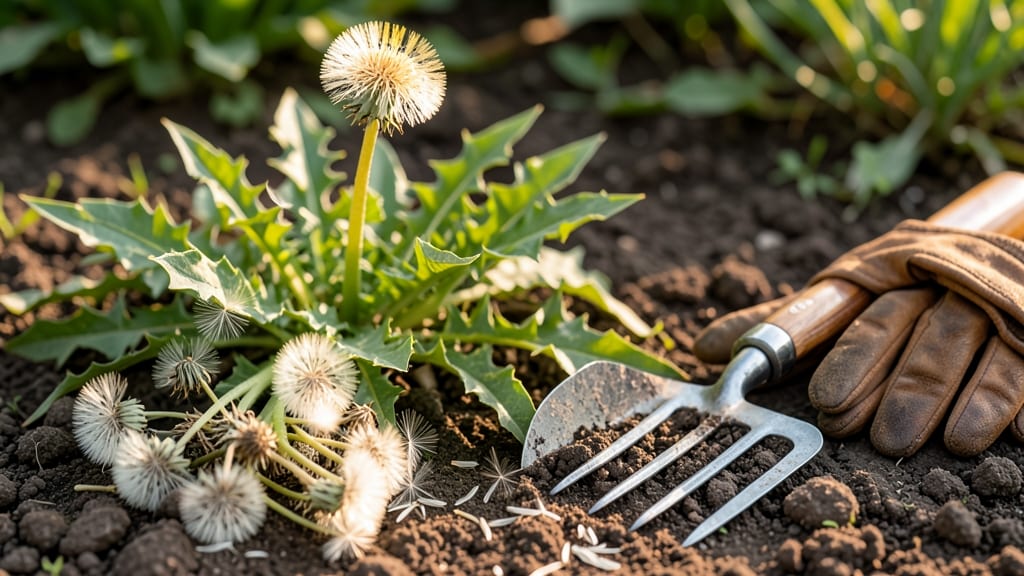
Growing a garden from dandelion seeds unlocks a pollinator magnet that blooms reliably year after year—if you master cold stratification first. 🌱 I used to pull them out, thinking they were weeds, until I realized their bright yellow flowers feed bees before anything else in spring.
The secret to success? Mimicking winter's chill period before planting.
Start with fresh seeds (the fluffy white kind) and mix them with damp sand in a sealed container. Store it in your fridge for 4-6 weeks—this mimics winter's cold snap. When you plant them in well-draining soil after stratification, they'll germinate faster and stronger than store-bought seedlings ever could.
Just give them full sun and occasional watering, and you'll have blooms in just 4-6 weeks.
What you end up with is a garden that hums with life from early spring through fall. The flowers are edible (try them in salads!), the roots make great tea, and the plants spread easily—no need for fancy fertilizers.
Plus, they outcompete weeds naturally, so you'll spend less time pulling unwanted plants.
Works in any sunny spot, from lawn edges to container gardens. The only real mistake is skipping the cold treatment—without it, seeds may take months to sprout. Here's how to do it right the first time!
📚 In This Guide
- What you need
- Instructions
- Tips and common mistakes
- Wrapping up and next steps
What you need
- ● Dandelion seeds: 1–2 packets (or collect fresh seeds from mature dandelion heads—aim for at least 50 seeds for a small patch).
- ● Cold stratification setup: 1–2 resealable plastic bags (quart-size or larger).
- ● 1 cup moistened potting mix (or a damp paper towel as an alternative).
- ● Garden bed or containers: Well-draining soil (sandy loam is ideal).
- ● 1–2 gallon-sized pots (if starting indoors) or a 6-inch-deep garden bed (for direct sowing).
- ● Basic gardening tools: Hand trowel or small shovel.
- ● Watering can or spray bottle (for gentle moisture control).
- ● Grow lights (if starting seeds indoors before the last frost).
- ● Compost or organic fertilizer (to boost soil fertility).
- ● Mulch (straw or shredded leaves to retain moisture).
- ● Seed-starting trays (for organized indoor germination).
- ● Labels or markers (to track planting dates and varieties).
How to grow a dandelion garden from seed using cold stratification
Turn those pesky weeds into a stunning garden feature with this foolproof method.
🌱 Step 1: Harvest and Clean Mature Dandelion Seed Heads
Wait until dandelion seed heads are fully dry and fluffy—usually late summer to early fall. Wear gloves and gently pluck the entire seed head, shaking off any debris. Place them in a paper bag and let them dry completely indoors for 3-5 days to ensure all moisture evaporates.
Once dry, rub the seed heads between your hands over a clean sheet of paper. The seeds will disperse easily, leaving behind the empty seed heads. Sift through the seeds to remove any remaining plant debris or stems. Store the clean seeds in a dry, airtight container until stratification.
❄️ Step 2: Stratify Seeds for Better Germination
Cold stratification mimics winter conditions, breaking seed dormancy for more reliable germination. Place the seeds in a sealed plastic bag with a damp paper towel—just enough moisture so the towel feels damp but not dripping. Seal the bag and refrigerate for 4-6 weeks.
Check the bag weekly to ensure the towel stays moist. If it dries out, mist it lightly with water and reseal. This step is crucial—skipping stratification often results in slow or uneven germination. Think of it as giving your seeds a little winter nap before planting.
🪴 Step 3: Prepare the Planting Site
Choose a sunny spot in your garden that gets at least 6 hours of direct sunlight daily. Dandelions thrive in well-draining soil, so avoid low-lying areas where water pools. Loosen the soil to a depth of 6-8 inches with a garden fork or tiller, removing any rocks or weeds.
If your soil is heavy clay or sandy, mix in 2-3 inches of compost to improve fertility and drainage. Dandelions are hardy and adaptable, but well-prepared soil ensures strong, healthy growth. Rake the area smooth to create a fine seedbed for easy planting.
🌱 Step 4: Sow the Seeds and Water Gently
Scatter the stratified seeds evenly over the prepared soil, spacing them about 12-18 inches apart if you want individual plants or closer together for a naturalized look. Lightly press them into the soil with your fingers—just enough to ensure good soil contact but not bury them deeply.
Water the area gently with a fine spray nozzle until the soil is moist but not soggy. Avoid heavy watering, which can wash seeds away or bury them too deeply. A light misting ensures seeds stay in place while encouraging germination.
☀️ Step 5: Maintain and Enjoy Your Dandelion Garden
Keep the soil consistently moist but not waterlogged for the first 2-3 weeks after sowing. Once seedlings emerge, reduce watering to 1-2 times per week, depending on rainfall. Dandelions are drought-tolerant once established, so don’t overwater.
Let the plants grow naturally—no pruning or staking is needed. In their first year, you’ll see rosettes of leaves, and by the following spring, you’ll be rewarded with cheerful yellow blooms. Embrace the wild, natural beauty of dandelions while enjoying their hardiness and resilience.
Tips & tricks for perfect dandelion garden growth
Here's what nobody tells you about transforming those dandelions into a thriving garden—tricks that'll make all the difference.
Timing is Everything: Harvest seed heads when they're fully dry and fluffy—usually late summer to early fall. I learned this the hard way after trying to use damp seeds that just wouldn't disperse properly. The 3-5 days of indoor drying is non-negotiable for clean seeds that'll germinate reliably. Pro tip: Wait until the seed heads start turning white and fluffy before harvesting.
Stratification Secrets: The 4-6 week cold treatment is your secret weapon for breaking seed dormancy. I like to place the bagged seeds on a shelf in my fridge where it stays consistently cold (around 35-40°F). This mimics winter conditions perfectly. Check weekly to ensure the paper towel stays damp—never soggy—because too much moisture can cause mold.
Soil Prep Matters: That 6-8 inch soil loosening isn't just about looks—it creates ideal conditions for dandelion roots to establish quickly. For heavy clay soil, mix in 2-3 inches of compost to improve drainage. I've found that dandelions actually prefer slightly sandy soil, so if you have heavy clay, don't skip this step. A smooth, fine seedbed prevents seeds from getting buried too deeply during planting.
Planting Precision: When spacing seeds 12-18 inches apart, think about your end goal. For individual plants with space for expansion, go with 18 inches. For a naturalized meadow look, you can plant them closer together. The key is to lightly press them into soil—just enough to ensure contact but not bury them, as dandelion seeds need light to germinate properly.
Pro Tips for Dandelion Seed Grow A Garden
- Here's what nobody tells you about transforming those dandelions into a thriving garden—tricks that'll make all the difference.
- Timing is Everything: Harvest seed heads when they're fully dry and fluffy—usually late summer to early fall.
- Stratification Secrets: The 4-6 week cold treatment is your secret weapon for breaking seed dormancy.
Frequently asked questions
Got questions about growing dandelions from seed?
You’re not alone—these cheerful blooms are easy to grow but still spark curiosity! Here are answers to the most common queries to help you cultivate a thriving dandelion garden.
Can I grow dandelions from store-bought seeds?
Yes! Store-bought dandelion seeds (like Taraxacum officinale) work well, but ensure they’re labeled for gardening—not just ornamental use. For best results, opt for organic seeds from reputable suppliers to avoid hybrids that may not bloom true to type. Pro tip: Collect wild dandelion seeds from non-treated areas for heirloom varieties!
How long does cold stratification take for dandelion seeds?
Dandelion seeds typically need 4–8 weeks of cold stratification (33–41°F) to break dormancy. Place seeds in a sealed bag with damp sand or peat moss, then refrigerate. Skip this step if sowing outdoors in fall/winter—nature handles it! For indoor starts, mimic winter by chilling seeds before planting in early spring.
What’s the best time to plant dandelion seeds?
Sow seeds in early spring (after last frost) or late summer/fall for overwintering. Dandelions thrive in cool weather and may bolt in hot climates—opt for partial shade in summer. Bonus: Direct-sow seeds outdoors for easiest growth; they rarely need transplanting!
Why aren’t my dandelion seeds germinating?
Check these fixes:
- Depth: Seeds need light—press them just into soil (no burial!).
- Moisture: Keep soil damp (not soggy) until sprouts appear (7–14 days).
- Temperature: Ideal germination range: 50–70°F. Too hot? Shade seedlings.
- Stratification: If indoor-started, ensure seeds got their cold treatment.
Still struggling? Test seeds by soaking a few in water—if they sink, they’re viable!
Are there alternatives to dandelions for pollinators?
If you love dandelions but want variety, try:
- Clover (trifolium): Early blooms, nitrogen-fixing.
- Plantain (plantago): Edible leaves, drought-tolerant.
- Chicory (cichorium): Blue flowers, coffee substitute.
- Yarrow (achillea): Long bloom season, pest-resistant.
All attract bees, butterflies, and beneficial insects—just like dandelions!
Wrapping up and next steps
Growing dandelions from seed is a rewarding journey that starts with patience and a little science—like cold stratification! By following these steps, you’re not just planting seeds; you’re nurturing resilience and beauty for next year’s garden. The key takeaway? Prep your seeds properly, and nature will do the rest.
Now that you’re armed with the secrets, it’s time to take action! Grab those seeds, set up your fridge or outdoor cold spot, and let the magic unfold. Before you know it, your garden will be bursting with golden blooms—one dandelion at a time. Happy gardening! 🌱✨