
Lawn
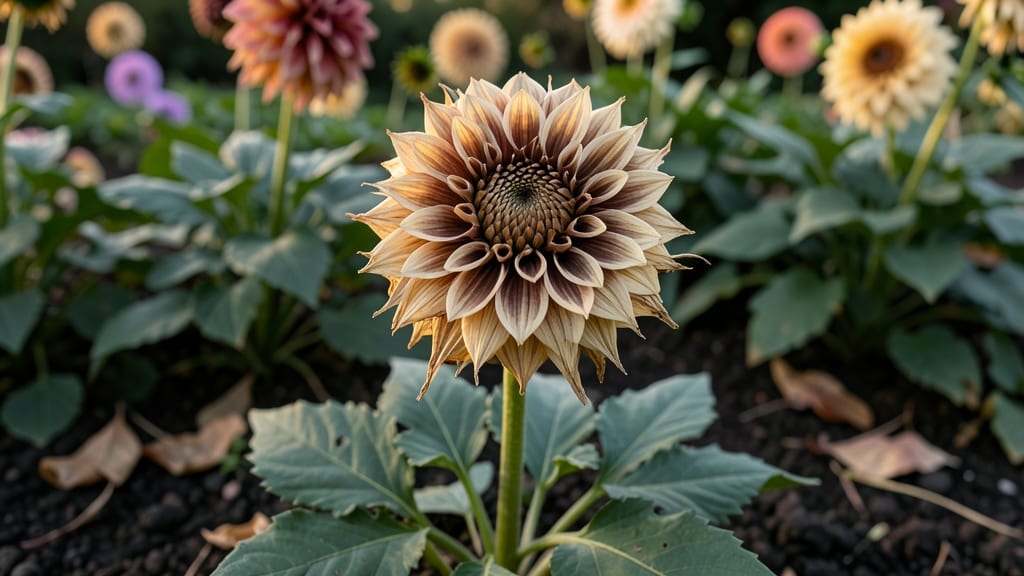
Those puffy dahlia seed heads aren’t just pretty—they’re the secret to next year’s blooms. 🌻 I’ve spent years perfecting how to handle them without the frustrating twists and wasted seeds, and this method actually works.
The key? Timing, technique, and a little patience to turn those dried centers into reliable plants.
Most gardeners either yank them off too early (bye-bye seeds) or leave them too long (hello, tangled mess). The right approach saves seeds for heirloom varieties, encourages bushier growth, and keeps your dahlias thriving for seasons.
You’ll need just a few tools—a sharp pair of scissors, paper bags for drying, and a dry spot away from direct sun.
By following this twist-free method, you’ll collect plump, viable seeds that produce plants identical to their parents—no surprise colors or flops. The dried heads also make stunning winter decor, so you’re not just saving seeds, you’re adding beauty to your space.
Ready to turn those dried centers into next year’s showstoppers?
This works for all dahlia types, from dinnerplate blooms to tiny pom-poms, and adapts to both garden beds and containers. Whether you’re saving seeds for sentimental varieties or just want fewer tangled stems, this is the foolproof way to handle them. Let’s get those seed heads working for you!
📚 In This Guide
- What you need
- Instructions
- Tips and common mistakes
- Wrapping up and next steps
What you need
- ● Mature dahlia plants: Healthy, disease-free plants with fully bloomed, dried seed heads (wait until the petals fall naturally and the seed head turns papery brown).
- ● Sharp pruning shears or scissors: Clean, sterilized tools to snip seed heads without crushing them (avoid dull blades!).
- ● Brown paper bags or breathable seed-saving envelopes: 1–2 bags per seed head (label with plant variety and date!).
- ● Permanent marker or labels: For marking seed head varieties (e.g., "Café au Lait," "Galaxy").
- ○ Small fan or hairdryer (optional but helpful): For gently drying seed heads indoors before storage.
- ● Air-tight container (e.g., mason jar or resealable bag): For long-term seed storage in a cool, dry place.
- ● Desiccant packets: Place 1–2 in storage containers to absorb moisture and prevent mold.
- ● Fine-mesh sieve: For separating seeds from chaff if you’re feeling extra meticulous.
- ● Notebook or seed-tracking app: To log varieties, germination notes, and storage dates.
- ● Rubbing alcohol (70% isopropyl): For sterilizing tools between cuts to prevent fungal spread.
How to harvest dahlia seed heads without twisting the stems
Twisting stems ruins next year’s blooms—here’s how to collect seeds cleanly and keep your dahlias thriving.
🌿 Step 1: Wait for Seed Heads to Fully Mature
Harvest only when the seed head turns completely brown and papery—this means the seeds inside are fully mature and viable. I check by gently pressing a dried head; if it crumbles easily, it’s ready. Harvesting too early means immature seeds that won’t sprout, while waiting too long risks the head scattering seeds on its own.
Use sharp pruning shears to cut the stem about 2 inches below the seed head. This leaves enough stem attached to prevent moisture loss and keeps the plant healthy. Avoid tugging or twisting—this damages the stem and can stress the plant, reducing next year’s flowering potential.
✂️ Step 2: Remove and Store Seed Heads Properly
Once harvested, place the seed heads in a paper bag (not plastic) and tie it loosely. The breathable fabric prevents mold while allowing airflow. I label each bag with the dahlia variety and the harvest date—this helps track which seeds are freshest for planting.
Store the bags in a cool, dry place (around 60-65°F) until ready to process. If you’re in a humid climate, add a few silica gel packets to absorb excess moisture. Never refrigerate—temperature fluctuations can damage the seeds inside.
🌱 Step 3: Extract and Clean the Seeds
When ready to plant, open the dried seed heads and gently crush them with your fingers or a mortar and pestle. The seeds will separate easily from the chaff. I spread the mix on a clean white sheet of paper to make sorting easier—dark seeds stand out against the light background.
Pick out any debris or empty seed pods by hand. Discard any seeds that look shriveled or discolored—these won’t germinate. Store the clean seeds in an airtight container with a desiccant packet in a dark, cool place until spring planting.
⏰ Step 4: Prepare for Next Year’s Planting
Start seeds indoors 8-10 weeks before your last frost date for strong, healthy transplants. Use a light, well-draining seed-starting mix in small pots. Plant seeds ¼ inch deep and keep the soil consistently moist (not soggy) until germination, which typically takes 14-21 days at 70-75°F.
Once seedlings have 2-3 true leaves, transplant them into larger pots or directly into the garden after the frost danger has passed. Dahlias are tender perennials, so protect them from late frosts—they won’t survive temperatures below 50°F. Mulch around the base to retain moisture and regulate soil temperature.
Tips & tricks for perfect dahlia seed head harvesting
Here’s what nobody tells you—these little details make all the difference between viable seeds and wasted effort.
Timing Secret: The 2-inch cut below the seed head in Step 1 is non-negotiable. This length preserves the stem’s ability to heal, preventing rot and ensuring next year’s tubers stay healthy. I’ve seen gardeners cut too close and watch their dahlias struggle to regrow—don’t make that mistake! The brown, papery stage is your only green light; press gently to test. If it crumbles like a dry leaf, you’re golden.
Storage Wisdom: That cool, dry spot (60-65°F) isn’t just about temperature—it’s about airflow. Paper bags breathe while plastic traps moisture, creating the perfect mold factory. I’ve lost entire seed batches to fuzzy green growth because I skipped this step. Pro tip: Store bags in a cardboard box instead of plastic containers; cardboard absorbs extra moisture without suffocating the seeds.
Seed Processing Hack: When crushing seed heads in Step 3, work in small batches. Freshly crushed seeds release oils that can gum up your sorting process. Spread them on that white sheet of paper and let them sit for 10-15 minutes before picking through debris—this lets any residual moisture evaporate, making clean-up effortless. Think of it like letting flour rest before baking; it’s all about patience.
Germination Boost: The 14-21 day germination window at 70-75°F is your target, but don’t panic if you’re in a cooler climate. Use a heating mat under your seed trays to maintain consistent warmth. I’ve had seeds pop up in just 10 days when using this trick—it’s like giving them a warm hug to wake up from dormancy.
Pro Tips for Dahlia Seed Head
- Here’s what nobody tells you—these little details make all the difference between viable seeds and wasted effort.
- Timing Secret: The 2-inch cut below the seed head in Step 1 is non-negotiable.
- Storage Wisdom: That cool, dry spot (60-65°F) isn’t just about temperature—it’s about airflow.
Frequently asked questions
Got questions about saving dahlia seed heads for next season? You’re not alone!
Here are answers to the most common queries—plus pro tips to ensure your seeds stay viable and your dahlias thrive.
Why do I need to save dahlia seed heads if I can just buy new tubers?
While buying tubers is convenient, saving seeds from your favorite varieties is free and lets you grow heirloom or hybrid-specific dahlias year after year. Plus, some rare or discontinued cultivars only survive through seeds! Just note: Seed-grown dahlias may not always match the parent plant’s exact traits (like color or form).
When is the best time to harvest dahlia seed heads?
Wait until the seed heads are fully dry and papery—usually late fall after the first frost (or when foliage dies back). Harvest them before they shatter or get rained on. Store them in a cool, dry place (like a paper bag) until spring. Pro tip: Label each variety with a marker or tag!
Can I reuse last year’s seed heads if they’re still attached to the stem?
Not ideal! Seed heads left on the stem may rot, attract pests, or lose viability. Instead, snip them cleanly with pruners once dry, then store them separately. If you’re in doubt, test a few seeds by planting them—if they sprout, the rest are likely good!
What if my dahlia seed heads don’t produce seeds—or they’re empty?
Empty seed heads usually mean the flower wasn’t pollinated. Try these fixes:
- Hand-pollinate with a soft brush to transfer pollen between blooms.
- Plant multiple dahlias nearby to encourage cross-pollination.
- Skip hybrid varieties—some are sterile and won’t produce seeds.
If seeds still fail, opt for tuber division instead!
How long can I store dahlia seeds before planting?
Dahlia seeds stay viable for 1–2 years if stored properly in a cool (40–50°F), dry place. After that, germination rates drop. For best results, plant them as soon as possible in spring. Avoid refrigeration—it can cause moisture buildup and mold.
Bonus Tip: Label everything!
Use toothpicks + masking tape or small jars to label seed heads by variety. Trust us—next year’s “mystery dahlia” is no fun when you can’t remember if it was ‘Café au Lait’ or ‘Galaxy’!
Wrapping up and next steps
Harvesting dahlia seed heads the right way ensures vibrant blooms next season—and it’s easier than you think! 🌱 By twisting gently, protecting seeds from moisture, and storing them properly, you’ll unlock a treasure trove of free, homegrown dahlias for years to come.
Whether you’re a seasoned gardener or just starting out, this simple technique turns deadheads into future garden stars.
Now that you’re armed with the know-how, why not give it a try this fall? Grab your gloves, pick a sunny spot, and let the magic of seed-saving begin—your garden (and wallet!) will thank you. Ready to dive deeper? Check out our guide on planting saved seeds for foolproof success!