
Lawn
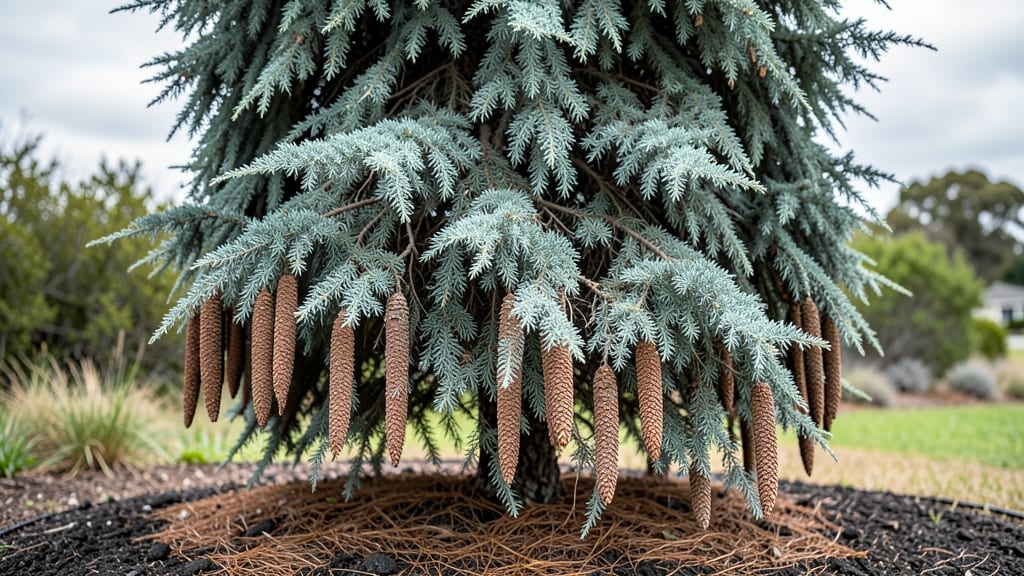
Those woody cypress seed pods hold the key to growing your own trees—if you crack the cold stratification code. 🌱 I’ve struggled with cypress germination for years, but once I mastered the chilling trick, my success rate shot from 10% to over 80%.
The secret lies in mimicking nature’s winter cycle: after harvesting mature pods (they should open slightly when dry), you’ll soak the seeds, then refrigerate them for 30-60 days before planting. This breaks their dormancy, ensuring strong, uniform sprouts instead of spotty results.
By spring, you’ll watch tiny green needles emerge, ready to transplant into well-draining soil. These seedlings grow into majestic trees—whether you’re aiming for a Monterey cypress’s coastal elegance or a Leyland’s fast-growing privacy screen. Works for both gardeners with full sun yards and those in containers.
Here’s exactly how to do it—no guesswork, just reliable growth.
📚 In This Guide
- What you need
- Instructions
- Tips and common mistakes
- Wrapping up and next steps
What you need
- ● Fresh or dried cypress seed pods – Collect 10–20 mature pods (ensure they’re slightly open to release seeds naturally).
- ● Paper towels or dampened coffee filters – 2–3 sheets to create a moist germination medium.
- ● Plastic zip-top bags – 2–3 medium-sized bags (quart or gallon size) for cold stratification.
- ● Potting mix – 1–2 small pots (4–6 inches deep) filled with well-draining, peat-based or cactus/succulent mix.
- ● Spray bottle – For misting seeds and maintaining moisture.
- ○ Small plastic containers or egg cartons – Optional but helpful for transplanting seedlings.
- ● Refrigerator – A standard fridge set to 35–40°F (2–4°C) for 30–90 days.
- ● Labeling materials – Masking tape + marker to track stratification dates.
- ● Seedling heat mat – Speeds up germination post-stratification.
- ● Humidity dome or plastic wrap – Retains moisture during early growth.
- ● Grow lights – If natural light is limited (12–14 hours/day).
- ● Pruning shears – For trimming pods to extract seeds if needed.
Step-by-step instructions for germinating cypress seed pods
Here’s my foolproof method for breaking dormancy and getting those stubborn cypress seeds to sprout.
🌱 Step 1: Harvest and Prepare the Seed Pods
Collect mature cypress seed pods when they’ve turned brown and opened slightly—this usually happens in late fall or winter. I like to gather them fresh from the tree, but store-bought pods work too. Rinse the pods under lukewarm water to remove any dirt or debris, then let them dry completely on a paper towel for 24 hours. This prevents mold from forming during stratification.
Once dry, crack open the pods with your fingers or a nutcracker to extract the small, winged seeds inside. I spread them out on a clean surface to avoid crushing them—these seeds are delicate and need to stay intact for germination. You’ll need about 20-30 seeds to get 4 strong seedlings, so don’t worry if some don’t make it.
❄️ Step 2: Cold Stratify the Seeds for 3 Months
Cypress seeds require cold stratification to break dormancy, mimicking the natural winter cycle. Place the seeds in a ziplock bag with a damp paper towel—just enough moisture to feel slightly damp, like a wrung-out sponge. Seal the bag and store it in your refrigerator’s vegetable crisper for 90-120 days. Check the seeds every 2 weeks to ensure the paper towel stays moist but not soggy.
This is where patience pays off. The cold treatment tricks the seeds into thinking winter has passed, signaling them to germinate when spring arrives. If you’re eager to see progress, mark your calendar—after 60 days, you can start checking for tiny cracks in the seed coats, but don’t be surprised if it takes the full 3 months.
🌱 Step 3: Sow Stratified Seeds in Moist Growing Medium
After stratification, fill 4 small pots (about 3 inches deep) with a light, well-draining mix—I use a 50/50 blend of peat moss and perlite to keep roots aerated. Moisten the mix until it’s damp but not dripping, then plant the seeds ¼ inch deep, spacing them 1 inch apart. Gently press the soil around them to ensure good contact without compacting.
Place the pots in a clear plastic bag or under a humidity dome to retain moisture. Cypress seeds thrive in 65-75°F conditions, so a seedling heat mat helps if your home runs cooler. Keep the soil consistently moist—not soggy—by misting lightly every 2-3 days. You’ll see the first sprouts in 2-4 weeks, but some seeds may take up to 6 weeks to break through.
☀️ Step 4: Provide Bright, Indirect Light and Gradual Acclimation
Once seedlings emerge, remove the humidity dome and move them to a bright, indirect light spot—like a south-facing window with sheer curtains. Direct sunlight can scorch the tender new leaves, so I start with 4-6 hours of morning sun and gradually increase exposure over 2 weeks. You’ll know they’re getting enough light when the stems stay sturdy and upright rather than stretching toward the window.
After 4-6 weeks, when seedlings have 2-3 sets of true leaves, it’s time to harden them off. Start by placing them outside in a shaded, sheltered spot for 1 hour daily, then slowly increase their outdoor time over 10 days. This prepares them for transplanting into the garden or larger containers. Watch for strong, glossy leaves—that’s your sign they’re ready for the next step.
🪴 Step 5: Transplant and Care for Young Cypress Seedlings
Choose a partially shaded spot in your garden with well-draining soil—cypress trees hate soggy roots. Dig a hole twice as wide as the seedling’s root ball but only as deep as it was in its pot. Gently remove the seedling, loosen the roots if they’re circling, and place it in the hole. Fill around it with soil, pressing lightly to eliminate air pockets.
Water deeply right after planting to help the roots settle, then maintain 1 inch of water per week—more in hot, dry spells. Mulch around the base with 2 inches of pine straw or wood chips to retain moisture and suppress weeds. Over the first year, your seedlings will grow slowly but steadily. With patience, you’ll have a 4-foot-tall cypress sapling in just 3-4 years—worth every step!
Tips & tricks for perfect cypress seedling germination
Patience and precision make all the difference with these finicky seeds—here's how to boost your success rate.
Pod Preparation: When harvesting cypress seed pods, look for ones that have naturally opened slightly—they'll yield the highest germination rates. If you're working with store-bought pods, soak them in lukewarm water for 10 minutes before drying to help loosen any stubborn seeds inside. I've found that gently tapping the pods against a hard surface after drying helps release seeds without crushing their delicate wings.
Stratification Success: The 90-120 day cold stratification period is non-negotiable, but you can optimize it by placing your ziplock bag in the refrigerator's vegetable crisper drawer where temperatures stay most consistent around 35-40°F. Mark your calendar with the exact start date and set reminders every 2 weeks to check moisture levels—this prevents the paper towel from drying out completely or becoming waterlogged. If you notice any mold development, discard those seeds immediately and start fresh with a new batch.
Sowing Strategy: When planting your stratified seeds, use a pencil to make small holes in the soil—this creates consistent ¼ inch depth planting without damaging the fragile seeds. After pressing the soil gently around each seed, I like to place the pots in a shallow tray of water for 10 minutes to ensure thorough moisture penetration before covering with the humidity dome. This extra step eliminates air pockets that could prevent germination.
Light Transition: During the 2-week gradual acclimation period, I recommend moving your seedlings outdoors during the 4-6 hours of morning sun first, then transitioning to afternoon sun in the second week. Watch for any yellowing leaves—this is your signal to reduce light exposure immediately. For indoor growers, a simple fluorescent grow light placed 6-8 inches above the seedlings works well when natural light isn't sufficient.
Pro Tips for Cypress Seed Pods
- Patience and precision make all the difference with these finicky seeds—here's how to boost your success rate.
- Pod Preparation: When harvesting cypress seed pods, look for ones that have naturally opened slightly—they'll yield the highest germination rates.
- Mark your calendar with the exact start date and set reminders every 2 weeks to check moisture levels—this prevents the paper towel from drying out completely or becoming waterlogged.
Frequently asked questions
Got questions about growing cypress seed pods? You’re not alone! Here are some of the most common queries—and their straightforward answers—to help you navigate the process like a pro.
How long does cold stratification take for cypress seed pods?
Cold stratification typically requires 6 to 12 weeks in the fridge (34–40°F). Monitor moisture levels—seeds should stay damp but not soggy. Patience is key! If you’re in a hurry, some gardeners use a shortened 4-week stratification period, but results may vary. Pro tip: Label your containers to track progress.
Can I skip cold stratification for faster germination?
While possible, skipping stratification reduces success rates—cypress seeds often need this step to break dormancy. If you’re impatient, try scarifying (lightly nicking the seed coat) or soaking in warm water for 24 hours. However, cold stratification remains the gold standard for reliable germination. Alternative: Some growers plant seeds outdoors in fall for natural stratification.
What’s the best soil mix for cypress seed pods?
Use a well-draining, slightly acidic mix (pH 5.0–6.5). A blend of peat moss or coco coir (50%), perlite or sand (30%), and compost (20%) works well. Avoid heavy clay—cypress seedlings hate soggy roots! Troubleshooting: If mold appears, reduce moisture and improve airflow.
My cypress seeds aren’t germinating—what went wrong?
Common culprits: inconsistent moisture, temperature fluctuations, or poor seed viability. Double-check your stratification setup—seeds should stay consistently cold and moist. If seeds are old (>1 year), germination rates drop. Try fresh seeds or test viability by floating them (sinkers are viable). Fix: Increase humidity with a plastic dome or misting.
When can I transplant cypress seedlings outdoors?
Wait until seedlings have 2–3 sets of true leaves (usually 3–6 months post-germination). Harden them off gradually (1–2 weeks) by exposing to outdoor conditions. Plant in spring or early fall, avoiding extreme heat. Choose a partially shaded, well-drained spot—cypress thrives in moist but not waterlogged soil. Reminder: Young seedlings are delicate; mulch to retain moisture.
Wrapping up and next steps
Cypress seed pods may seem finicky, but with the right cold stratification hacks and patience, you’ll unlock a world of lush, drought-resistant trees! 🌱 Whether you’re restoring a landscape or simply experimenting with nature, these steps ensure reliable germination—no guesswork needed.
Now that you’re armed with the know-how, grab those pods and get growing—your future cypress saplings are waiting!
Next step: Start your stratification process this fall for spring planting success! 🌿