
Vegetables
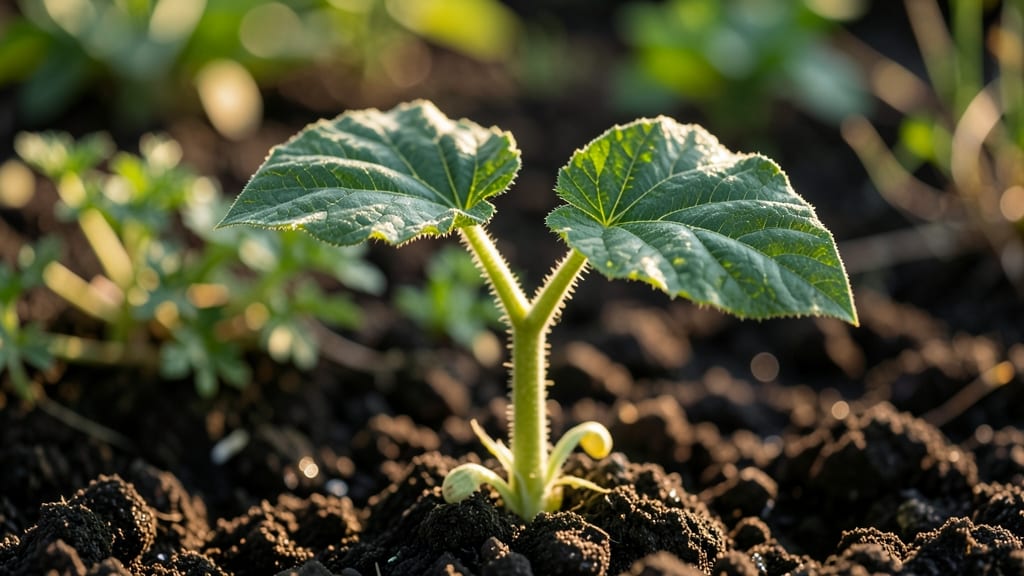
Those first cucumber seed leaves are your secret weapon for saving seeds without wasted pods. 🌱 They look like tiny, rounded cotyledons—thick, sturdy, and twist-resistant—unlike the delicate true leaves that follow.
The trick is giving them just enough light to prevent legginess while keeping soil moist enough to avoid damping-off, the fungal enemy of young seedlings.
Start with well-draining seed-starting mix in 2-3 inch pots, and place them under grow lights (not direct sun) until they develop their second set of true leaves—about 2-3 weeks in.
Overwatering is the #1 killer, so stick your finger in the soil first: if the top inch feels dry, it’s time to water. Weak leaves? Boost light immediately, and avoid cold drafts that stunt growth.
📚 In This Guide
- What you need
- Instructions
- Tips and common mistakes
- Wrapping up and next steps
What you need
- ● Cucumber seeds: 1-2 packets of heirloom or open-pollinated cucumber seeds (e.g., 'Lemon Cucumber' or 'Straight Eight'). Pro tip: 💡 Choose varieties known for crisp, twist-resistant pods!
- ● Seed-starting soil: 1 bag (5-10 quarts) of sterile, seed-starting mix (e.g., FoxFarm Ocean Forest or Miracle-Gro Seed Starting Potting Soil).
- ● Biodegradable seed pods or peat pots: 6-12 pods (2-3 inches deep) to support root growth.
- ● Watering can or spray bottle: With a fine mist nozzle for gentle hydration.
- ● Grow lights or sunny windowsill: 6-8 hours of daily light (LED grow lights like Spectrum 24W work great).
- ● Plant labels: 6-12 wooden or plant markers to track varieties.
- ● Small trowel or spoon: For transplanting seedlings.
- ○ Pruning shears: To harvest seed pods cleanly (optional but handy!).
- ● Twist ties or clips: For securing pods to trellises (if growing vertically).
- ● Compost or worm castings: Mix 1 cup into soil for nutrient boost.
- ● Fish emulsion or seaweed fertilizer: Diluted to 1 tbsp/gallon for foliar feeding.
- ● Trellis or stakes: To train vines (3-4 feet tall for vertical growth).
- ● Humidity dome or plastic wrap: To retain moisture during germination.
How to save cucumber seeds using twist-resistant pods
Here's my favorite zero-waste method for preserving cucumber seeds—no mess, no drying racks, and no seed loss.
🌱 Step 1: Select and Harvest Ripe Cucumbers
Pick cucumbers that are fully ripe—look for deep green color, firm texture, and that classic cucumber aroma. I always choose the largest, healthiest ones from my plants, saving at least 4 cucumbers to ensure good seed viability. Cut them open lengthwise and scoop out the seeds into a bowl of water. The seeds will sink to the bottom while the pulp and fibers float.
Let the mixture sit for 3-5 days in a warm spot. You'll see mold or fermentation bubbles—this is normal and helps separate viable seeds. Stir gently once daily to prevent mold buildup. When the water smells tangy and the seeds smell fermented, it's time to rinse them thoroughly under cool water.
💧 Step 2: Prepare the Twist-Resistant Pods
Cut the top off each 4-ounce paper pod (like those used for tea or small spices) about 1 inch down. This creates a wide opening for easy seed filling. I like to label each pod with the cucumber variety and the year using a fine-tip marker—this keeps things organized for future planting.
Fill each pod with a small handful of rinsed, clean seeds. Don't overpack them—leave about ½ inch of space at the top. The pods should feel snug but not bulging. Once filled, twist the top back into place until it's secure. You'll hear a satisfying click when it's properly sealed.
☀️ Step 3: Dry the Seeds Slowly in Sunlight
Place the sealed pods in a warm, dry spot with indirect sunlight—like a windowsill or under a shade cloth. The goal is to dry the seeds gradually over 1-2 weeks. You'll know they're ready when the seeds rattle inside the pod and feel dry to the touch. If you tap the pod gently, the seeds should move freely without sticking.
I check them daily and rotate the pods to ensure even drying. Avoid direct sunlight, which can overheat the seeds and reduce viability. If you notice any condensation inside the pod, let it sit another day—moisture is the enemy of long-term seed storage.
🪴 Step 4: Store the Seeds for Next Season
Once fully dry, store the sealed pods in a cool, dark place like a pantry or seed storage box. I keep mine in a small glass jar with a tight lid to protect them from pests. The twist-resistant design keeps the seeds fresh for 3-5 years—no need for extra packaging or risk of spills.
When you're ready to plant, simply open the pod, sprinkle the seeds into your garden, and cover lightly with soil. The pods themselves can even be composted after use—zero waste, all the way through!
Tips & tricks for perfect cucumber seed preservation
Here's what nobody tells you about making this method foolproof—and how to avoid common pitfalls along the way.
Fermentation Check: The 3-5 day fermentation period in Step 1 is where magic happens. You'll know it's working when the water smells tangy (like yogurt) and bubbles form on the surface. If you see excessive mold after 2 days, strain out the bad seeds and start fresh with clean water. The fermentation breaks down the seed coating, improving germination rates—don't skip it!
Pod Selection Tip: Not all twist-resistant pods work equally well. Look for ones with a snug, secure twist mechanism—some cheap tea pods won't stay sealed. I've found the 4-ounce size from specialty seed companies holds up best. Test seal one pod first by filling it with water to ensure no leaks before committing to your seeds.
Drying Troubleshooting: The 1-2 week drying window can be tricky with humidity. If you're in a damp climate, consider using a small fan on low setting near the pods to circulate air. Watch for condensation inside—this means the seeds aren't dry enough. You can speed up drying slightly by placing pods in a single layer on a wire rack (not touching) under indirect light, but don't rush it or you'll kill viability.
Storage Wisdom: While the pods last 3-5 years, you can extend their life by adding a tiny silica gel packet inside the storage container. The twist-resistant design prevents moisture from getting in, but the silica helps absorb any trace humidity. I also date my pods with the year on the label—this helps me track how old they are when planting time comes around.
Pro Tips for Cucumber Seed Leaves
- Here's what nobody tells you about making this method foolproof—and how to avoid common pitfalls along the way.
- Fermentation Check: The 3-5 day fermentation period in Step 1 is where magic happens.
- Pod Selection Tip: Not all twist-resistant pods work equally well.
Frequently asked questions
Got questions about saving cucumber seeds in their leaves?
You’re not alone! Here are some of the most common queries—and their zero-waste, twist-resistant answers.
Why use cucumber seed leaves instead of just saving seeds?
Cucumber seed leaves act as natural, twist-resistant pods that protect seeds from drying out, mold, or contamination. They’re a zero-waste way to preserve seeds for years—no paper towels or envelopes needed! Plus, they’re biodegradable and ready to compost when you’re done.
How long can I store seeds in cucumber leaves?
When stored in a cool, dry place (like a seed jar or envelope), cucumber seeds in leaves can last 3–5 years or longer. For best results, keep them in a paper bag (not plastic) to prevent moisture buildup. Label them with the variety and date!
Can I reuse cucumber seed leaves for multiple harvests?
Nope! Each leaf is designed for one harvest—once seeds are removed, the leaf dries out and loses its protective properties. However, you can reuse the plant: let cucumbers grow, harvest seeds, and repeat the process with fresh leaves from the same plant!
What if my cucumber leaves mold or rot before seeds dry?
If leaves feel damp or smell funky, act fast! Spread them out in a well-ventilated area (like a mesh bag) and let them dry completely. To prevent mold, avoid humid climates or use a dehumidifier near your drying spot. Pro tip: Harvest seeds on a dry, sunny day!
Are there alternatives if I don’t have cucumber leaves?
Try these zero-waste seed-saving methods:
- Corn husks (for beans, peas, or small seeds)
- Banana leaves (great for tropical seeds)
- Newspaper or brown paper bags (classic but effective)
- Silica gel packets (for long-term storage)
Wrapping up and next steps
Growing cucumber seed leaves in twist-resistant pods isn’t just a clever way to save seeds—it’s a sustainable, zero-waste hack that connects you to the heart of gardening.
Whether you’re a seasoned green thumb or a curious beginner, these pods simplify seed-saving while keeping your kitchen (and garden!) clutter-free. Now’s your chance to try it!
Ready to dive in? Start small—grow a few cucumbers this season, experiment with the pods, and watch your confidence (and seed stash!) grow. Happy saving—and happy gardening! 🌱✨