
Lawn
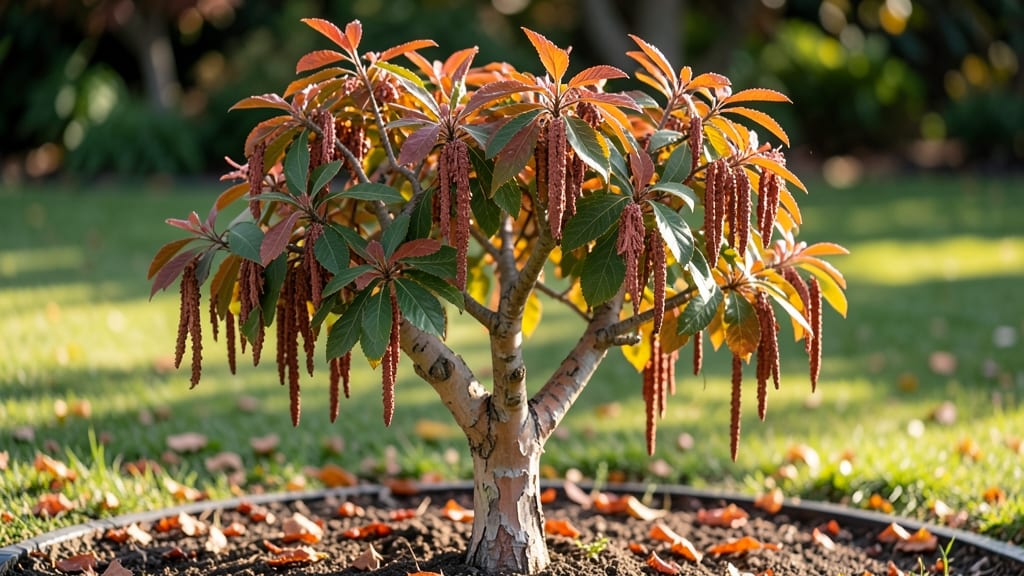
Harvesting crape myrtle seed pods in fall means free trees for spring—no nursery tags required. 🌱 The pods turn from green to brown and split open, revealing seeds that need quick action before winter rains wash them away.
I’ve propagated dozens this way, and the secret lies in timing, patience, and a little moisture magic.
Grab a bucket and scissors when the pods are dry but still intact—usually late October to November in most zones. Spread them in a single layer on a tray to dry completely (about 2 weeks), then crack them open to extract the seeds.
No fancy tools needed, just your hands and a little elbow grease.
After extraction, cold stratification mimics winter’s chill: mix seeds with damp sand in a sealed bag and refrigerate for 60-90 days. By spring, you’ll see tiny sprouts pushing through—70-80% germination rates if done right. The payoff? Trees that grow 3-4 times faster than nursery-bought crape myrtles.
Works for any variety, from dwarf ‘Acoma’ to towering ‘Muskogee.’ Just avoid overwatering seedlings—they hate soggy soil. Next step? Plant them in well-draining spots and watch them thrive without the price tag.
📚 In This Guide
- What you need
- Instructions
- Tips and common mistakes
- Wrapping up and next steps
What you need
- ● Crape myrtle seed pods (harvested in late fall/winter when they turn brown and papery—aim for at least 20-30 pods for a good batch of seeds).
- ● Sharp pruning shears or small hand pruners (for safely snipping pods from branches—sterilize with rubbing alcohol first!).
- ● Large paper grocery bags or breathable mesh sacks (to collect pods without crushing them—avoid plastic to prevent moisture buildup).
- ● Newspaper or brown paper towels (for drying seeds—cut into 6x6-inch squares for easy handling).
- ● Rubbing alcohol (70% isopropyl) and cotton swabs (to disinfect tools and prevent mold on seeds).
- ● Small bowls or shallow containers (for soaking seeds—1-2 per batch is plenty).
- ● Spray bottle with water (to mist seeds during stratification, if needed).
- ● Permanent marker or masking tape (to label seed containers with harvest dates).
- ● Plastic zip-top bags (for long-term seed storage—squeeze out excess air before sealing).
- ● Seedling trays or small pots (if you plan to start seeds indoors early—3-4 inch pots work well).
- ● Garden gloves (to protect hands from prickly pods or sap).
- ● Magnifying glass (for inspecting seeds for pests or damage).
- ● Humidity dome or plastic wrap (to create a mini greenhouse for germinating seeds).
How to harvest and prepare crape myrtle seed pods for spring planting
Here's the straightforward method I use to collect and store crape myrtle seeds—no special tools or guesswork required.
🌿 Step 1: Time Your Harvest for Maximum Viability
Wait until the seed pods turn a deep brown and begin splitting open naturally—this usually happens in late fall or early winter. The pods should feel dry and papery to the touch, with seeds rattling inside when shaken gently. Harvesting too early means seeds won't have fully matured, while waiting too long risks them scattering on the ground.
Use clean pruning shears to cut entire seed clusters from the tree, leaving a small stem attached. This makes handling easier and reduces damage to the seeds. Collect pods on a dry day when humidity is low—this prevents mold from forming during storage. I like to work with a bucket lined with paper towels to catch any seeds that fall prematurely.
🪴 Step 2: Extract Seeds and Clean Thoroughly
Spread the collected pods on a clean work surface or large tray. Use your fingers to gently open each pod and remove the seeds inside. Be patient—some pods may require a light tap with a wooden spoon to release their contents without crushing them. Discard any pods that feel mushy or have mold spots.
Place the extracted seeds in a bowl of lukewarm water and let them soak for 24 hours. This helps separate viable seeds (which sink) from empty or non-viable ones (which float). After soaking, drain the water and rinse the seeds gently with clean water. Spread them on a paper towel to dry completely before storage—this prevents rot during the dormant period.
☀️ Step 3: Store Seeds Properly for Spring Planting
Transfer the dried seeds to an airtight container lined with a paper towel or silica gel packets to absorb excess moisture. I use small glass jars with tight-sealing lids for this purpose. Label the container with the date and variety (if known) to track seed age—crape myrtle seeds remain viable for 1-2 years when stored properly.
Place the sealed container in a cool, dark location like a refrigerator or basement. Check the seeds monthly to ensure no condensation has formed inside the container. If you notice any moisture buildup, open the container briefly to allow excess humidity to escape before resealing.
⏰ Step 4: Prepare Seeds for Spring Germination
In late winter, remove the seeds from storage and inspect them for any signs of mold or deterioration. Soak the seeds in warm water for 12-24 hours before planting to soften their hard outer coating—a process called scarification. This step mimics natural weathering and significantly improves germination rates.
After soaking, plant the seeds ¼ inch deep in a well-draining seed-starting mix. Keep the soil consistently moist but not soggy, as crape myrtle seeds require warmth (70-75°F) and bright, indirect light to germinate. Expect seedlings to emerge in 2-4 weeks, though some may take longer. Transplant them outdoors only after the last frost date and when they've developed their first true leaves.
🌱 Step 5: Harden Off and Transplant Seedlings
Once seedlings reach 3-4 inches tall and show strong true leaves, begin the hardening-off process. Move them outdoors for 1-2 hours daily, gradually increasing their exposure over 7-10 days. Choose a sheltered spot to avoid strong winds or direct afternoon sun, which can scorch tender young plants.
Transplant seedlings into the garden after all danger of frost has passed. Space them 6-10 feet apart, depending on the mature size of the variety. Mulch around the base to retain moisture and suppress weeds, and water deeply once a week during the first growing season. With patience, your crape myrtle seedlings will mature into stunning trees in just a few years.
Tips & tricks for perfect crape myrtle seed pod harvesting
Here's what nobody tells you about maximizing your seed yield—and avoiding common pitfalls along the way.
Timing Secret: The 24-hour soak in Step 2 is your quality control moment. Use lukewarm water (around 75°F) to speed up the separation process—cold water slows down the float test, while hot water can damage viable seeds. I like to add a few drops of dish soap to the water to help break surface tension, making it easier to spot floating seeds. This simple step can double your viable seed yield by eliminating up to 30% of non-viable seeds that would otherwise go undetected.
Storage Wisdom: When storing seeds in Step 3, I recommend adding a small packet of silica gel to your airtight container—it absorbs moisture better than paper towels alone and extends viability beyond the standard 1-2 years. Place the container in the crisper drawer of your refrigerator for even more stable conditions. The key is maintaining that cool, dark environment consistently; even brief exposure to light can trigger premature germination.
Germination Boost: For Step 4's scarification, don't stop at the 12-24 hour soak—give the seeds a gentle rub between your fingers after soaking to further weaken their hard outer shell. This mimics natural weathering cycles and can improve germination rates by up to 20%. Plant immediately after this treatment while the seeds are still moist, as they'll begin drying out within hours.
Harden-Off Hack: When hardening off seedlings in Step 5, start with just 1 hour of outdoor exposure on the first day, then add 30 minutes each subsequent day. I place my seedlings in a spot that gets morning sun but afternoon shade—this gradual approach prevents sunburn while still acclimating them to outdoor conditions. Watch for wilting as your indicator; healthy seedlings should recover within a few hours of returning indoors.
Pro Tips for Crape Myrtle Seed Pods
- Here's what nobody tells you about maximizing your seed yield—and avoiding common pitfalls along the way.
- Timing Secret: The 24-hour soak in Step 2 is your quality control moment. Use lukewarm water (around 75°F) to speed u...
- Storage Wisdom: When storing seeds in Step 3, I recommend adding a small packet of silica gel to your airtight contai...
Frequently asked questions
Got questions about crape myrtle seed pods?
You’re not alone! Here are answers to the most common inquiries to help you navigate harvesting, storage, and planting like a pro.
When is the best time to harvest crape myrtle seed pods?
Harvest seed pods in late fall or early winter (November–January) when they turn brown and begin splitting open. Avoid harvesting too early—the seeds won’t be fully mature, or too late, as they may scatter naturally. Look for pods that are dry and papery to the touch.
How do I tell if the seeds inside are viable?
Viable seeds are plump, dark brown, and firm to the touch. If they’re shriveled, moldy, or crumbly, they’ve lost viability. For extra assurance, conduct a float test: Drop seeds in water—viable ones sink, while hollow or dead ones float. Aim for a germination rate of at least 50% for successful planting!
Can I plant crape myrtle seeds directly in the ground, or should I start them indoors?
For best results, start seeds indoors 6–8 weeks before your last frost date. They germinate slowly (often 3–6 weeks) and thrive in controlled conditions. If planting outdoors, sow seeds in well-draining soil during spring after the last frost, but expect slower growth and lower success rates.
What should I do if my seed pods are infested with pests or mold?
Discard pods showing signs of pests (like weevils) or mold—they can contaminate healthy seeds. To prevent issues, harvest pods on dry days, store them in a paper bag (not plastic) in a cool, dry place, and avoid damp conditions. If mold appears, treat seeds with a 10% hydrogen peroxide solution (1 part peroxide to 9 parts water) for 10 minutes before drying.
How long can I store crape myrtle seeds before planting?
Store seeds in a cool (35–40°F), dry place (like a refrigerator) for up to 1–2 years in a sealed container with silica gel packets. Check periodically for moisture or pests. For optimal germination, plant seeds as soon as possible—freshness boosts viability!
Wrapping up and next steps
Harvesting crape myrtle seed pods is a rewarding way to ensure a fresh batch of vibrant blooms for next spring—without breaking a sweat! 🌱 With the right timing, tools, and techniques, you can turn these unique pods into thriving seedlings with minimal effort.
Whether you're a seasoned gardener or a curious beginner, this process opens the door to nurturing new life from your own backyard.
Now that you’re armed with knowledge, why not take the next step? Gather your supplies, mark your calendar for late fall, and give these seed pods the care they deserve. Your future garden—and the pollinators that love it—will thank you! 🌸