Lawn
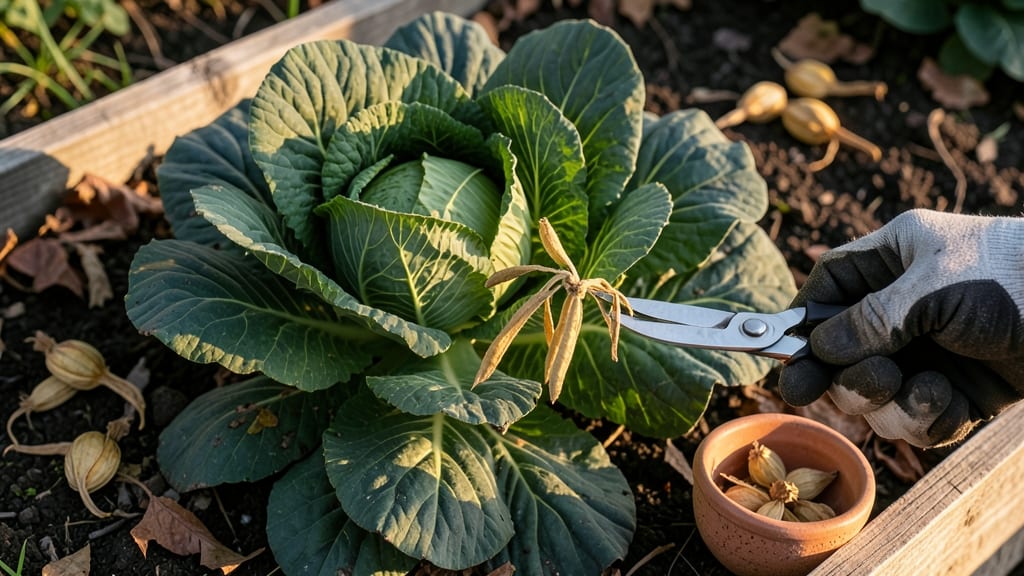
Saving cabbage seeds from your own plants means never buying seed again—just watch those mature pods turn from green to brown and you're golden. 🌱 The process is simpler than you think, and once you master it, you'll have a year-round supply of seeds ready for next season's garden.
First, you'll need to identify the right pods—look for the ones that have fully ripened and turned a papery tan color. Harvest them carefully, then let them dry completely indoors for about 2 weeks before cracking them open. The key is patience; rushing the drying process ruins the seeds.
By the time you're done, you'll have a stash of viable seeds that'll grow into plants just like the ones you harvested from. The satisfaction of growing cabbage from seeds you saved yourself is unmatched—plus, you'll save money and ensure your plants are perfectly suited to your climate.
This method works for all cabbage varieties, from green to red to savoy. Start small, and soon you'll be sharing seeds with neighbors or expanding your own seed-saving collection.
📚 In This Guide
- What you need
- Instructions
- Tips and common mistakes
- Wrapping up and next steps
What you need
- ● Mature cabbage plants: Choose healthy, disease-free heads (e.g., Brassica oleracea varieties like Savoy, Napa, or Green Curly). Aim for 3–5 plants for a good seed yield.
- ● Pruning shears or sharp knife: For cleanly harvesting seed pods without damaging the plant.
- ● Brown paper bags or breathable mesh bags: 5–10 bags (1–2 per plant) to collect pods as they dry.
- ● Labeling tags or masking tape + marker: To tag varieties (e.g., "Green Cabbage – 2024").
- ● Drying rack or screen: A flat, elevated surface (like a wire rack or wooden frame) to air-dry pods for 2–4 weeks.
- ● Fine-mesh sieve or colander: For separating seeds from chaff once pods are fully dried.
- ● Air-tight seed storage containers: 2–4 containers (e.g., glass jars with lids or labeled plastic bins) with desiccant packets to prevent moisture.
- ● Humidity monitor: Ideal for tracking drying conditions (target: 30–50% humidity).
- ● Food dehydrator: Speeds up drying for pods in 12–24 hours (set to 95°F–110°F).
- ● Seed viability test kit: Ensures your saved seeds will sprout next season.
- ● Notebook or app: To log harvest dates, pod maturity, and storage conditions.
How to harvest cabbage seed pods for year-round saving
Here's my foolproof method for collecting cabbage seed pods—no special tools needed, just patience and timing.
🌱 Step 1: Choose Healthy Mature Heads for Seed Saving
Start with fully mature cabbage heads that have bolted (sent up a flowering stalk). Look for heads that are still firm but beginning to yellow at the core—this signals the plant is ready to produce seeds. Avoid heads with signs of rot, pests, or disease, as these traits can carry over to next year's plants.
Cut the entire flowering stalk at the base with a clean knife or pruners. The stalk should be at least 12-18 inches tall with well-formed seed pods. Place the stalk in a bucket of water immediately to keep it fresh while you work. This step is critical—if the stalk dries out too quickly, the seed pods won't open properly.
☀️ Step 2: Dry the Seed Pods in a Warm, Dry Location
Hang the flowering stalk upside down in a warm, dry, well-ventilated area (like a garage or covered porch) where temperatures stay between 65-75°F. The pods need airflow to dry evenly, so avoid enclosed spaces. You'll see the pods start to turn from green to brown and split open naturally in about 2-3 weeks.
I like to drape a piece of cheesecloth or mesh bag over a wooden frame to catch falling seeds while still allowing airflow. Check daily for signs of mold or pests—if you spot any, move the stalk to a different location immediately. The goal is to dry the pods completely without inviting unwanted visitors.
⏰ Step 3: Harvest and Clean the Seeds
Once the pods are fully brown and brittle, gently rub them between your hands over a clean tray or paper bag to release the seeds. You'll hear a faint popping sound as the seeds separate from the pod walls. This is your signal that the seeds are ready for storage.
Remove any remaining pod debris by winnowing—simply hold the seeds in your hand and let a gentle breeze blow away the chaff. Store the clean seeds in a labeled envelope or small jar in a cool, dark place. Properly stored cabbage seeds remain viable for 3-5 years, though germination rates drop after the first year.
🌿 Step 4: Test Seed Viability Before Next Planting Season
Before you plant your saved seeds, do a quick viability test. Place 10 seeds between two damp paper towels in a sealed plastic bag. Keep them in a warm spot (70°F) and check daily. If 70% or more of the seeds sprout within 7-10 days, they're ready for planting. If fewer than half sprout, you may need to collect fresh seeds next season.
This simple test saves you from planting dozens of seeds only to find they won't germinate. I always test a small batch from each variety I save—some cabbage types hold viability better than others. Keep notes on your seed batches to track performance year after year.
Tips & tricks for perfect cabbage seed pod harvesting
Patience pays off when saving cabbage seeds—here's how to avoid common pitfalls and maximize your yield.
Selection Tip: In Step 1, focus on cabbage heads that have bolted but still have firm, yellowing cores. The yellowing indicates seed maturity, while firmness ensures the pods will develop properly. I've learned the hard way that soft or diseased heads produce weak seeds—always inspect carefully before cutting.
Drying Strategy: The 2-3 week drying period in Step 2 is non-negotiable for viable seeds. If your climate is humid, consider using a small fan on low setting near the drying area to maintain airflow. I've had success with a simple box fan placed 3 feet away—just avoid blowing directly on the pods to prevent them from drying too quickly.
Storage Wisdom: After cleaning, store seeds in airtight containers with a small silica gel packet to absorb any moisture. I label each container with the variety name and harvest year—this helps me track which seeds performed best. Remember, seeds stored in cool (around 40°F), dark conditions maintain their viability longest, though germination does decline after 3 years.
Pro Tips for Cabbage Seed Pods
- Patience pays off when saving cabbage seeds—here's how to avoid common pitfalls and maximize your yield.
- Selection Tip: In Step 1, focus on cabbage heads that have bolted but still have firm, yellowing cores.
- Drying Strategy: The 2-3 week drying period in Step 2 is non-negotiable for viable seeds.
Frequently asked questions
Got questions about harvesting and saving cabbage seed pods? You’re not alone! Here are some common concerns—and clear answers—to help you master the process like a pro.
What’s the best time to harvest cabbage seed pods?
Harvest seed pods when they’re dry, brown, and slightly papery—usually 4-6 weeks after flowering. Wait too long, and they’ll pop open, scattering seeds everywhere. If pods are still green, give them another 1-2 weeks. Pro tip: Morning harvests prevent humidity from causing mold.
How do I store cabbage seed pods for long-term saving?
Store pods in a cool, dry place (like a paper bag or envelope) away from direct sunlight. For year-round viability, seal them in an airtight container with a silica gel packet to absorb moisture. Label with the harvest year—seeds stay viable for 2-3 years under ideal conditions.
Can I use cabbage seed pods from store-bought cabbage?
Unfortunately, no. Store-bought cabbages are often hybridized for uniformity and won’t produce true-to-type seeds. For reliable pods, grow open-pollinated heirloom varieties like ‘Golden Acre’ or ‘January King.’ Save seeds from your own plants for the best results!
Why are my cabbage seed pods getting eaten or damaged?
Pests like cabbage moths, slugs, or rodents love seed pods. Protect pods with row covers or neem oil spray. If pods split prematurely, it’s often due to overripe pods or humidity. Harvest earlier or ensure good airflow around plants to prevent this.
Are there alternatives to saving cabbage seed pods?
If seed-saving feels tricky, consider buying organic, non-hybrid seeds from reputable suppliers. You can also ferment cabbage seeds (like sauerkraut brines) for a nutrient boost—though this isn’t for long-term storage. For year-round use, freezing or dehydrating whole cabbage leaves is another option!
Wrapping up and next steps
Harvesting cabbage seed pods is a rewarding way to ensure a steady supply of seeds for future planting—no matter the season! 🌱 With the right tools, patience, and a few simple steps, you can turn your garden into a sustainable seed-saving powerhouse.
Whether you're a beginner or a seasoned gardener, this process is easier than you think, and the payoff—fresh, homegrown cabbage year after year—is well worth the effort.
Ready to take the next step? Start small: pick a few healthy cabbage plants this season, experiment with the harvesting techniques, and soon you’ll be stocking your seed stash like a pro. Happy gardening—and may your future harvests be bountiful! 🌟