
Lawn
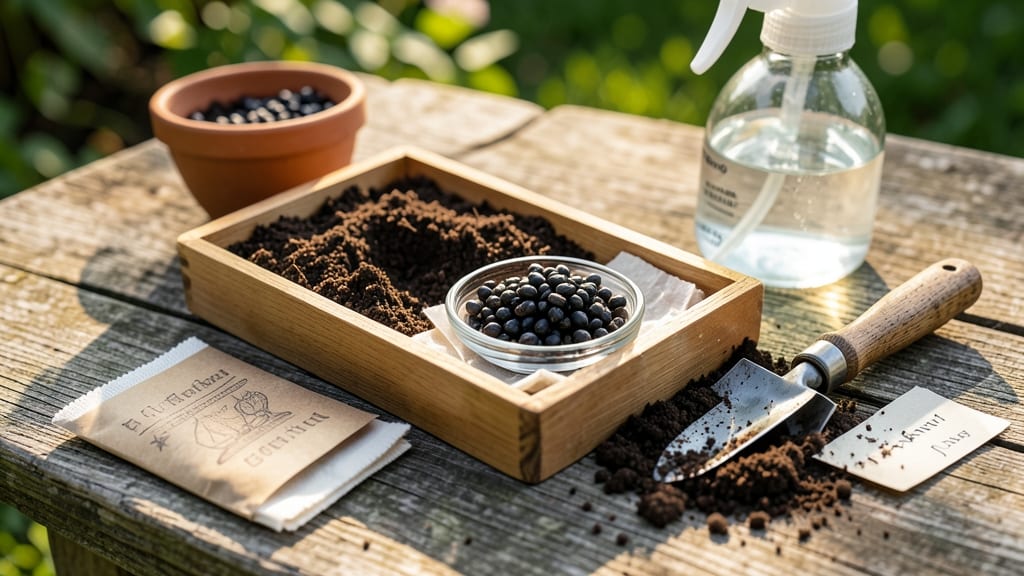
Planting Baptisia seeds in September gives them a head start on spring—just moisture and patience are all they need to survive winter’s chill. 🌱 I’ve watched these tough little seeds transform from tiny specks into sturdy perennials by trusting nature’s timing, and the key is keeping the soil damp through fall’s first freeze.
The secret lies in well-draining soil mixed with compost, planted shallowly (just a quarter-inch deep) in partial shade. In Zones 5-8, September’s cooler temps prevent premature sprouting while letting seeds soak up winter moisture—like a slow-motion drink. Mulch lightly with straw to protect them from drying winds.
By spring, you’ll see velvety blue-green foliage pushing through, followed by those iconic blue-purple flower spikes. The trick? Don’t rush—Baptisia rewards those who let it set its own pace, emerging stronger after winter’s natural stratification.
Works best in USDA Zones 4-9, but adjust timing slightly: plant in early September in warmer zones (8-9) to avoid summer heat stress, while cooler zones (4-6) can wait until late September for safer overwintering.
📚 In This Guide
- What you need
- Instructions
- Tips and common mistakes
- Wrapping up and next steps
What you need
- ● Baptisia seeds: 1–5 seeds per pod (or pre-purchased seeds; aim for at least 50 seeds if planting multiple plants). Choose Blue Wild Indigo (Baptisia australis) or other cold-hardy varieties.
- ● Well-draining potting mix: 1–2 bags (sterilized, peat-free blend or 60% compost + 40% perlite/sand for aeration).
- ● Seed trays or small pots: 2–4" deep containers (biodegradable or reusable; 1 tray per 25–50 seeds).
- ● Grow lights or sunny windowsill: Full-spectrum LED lights (12–16 hrs/day) or a south-facing window with bright, indirect light.
- ● Spray bottle with water: Fine-mist setting for gentle hydration (avoid over-saturating seeds).
- ● Plastic wrap or humidity dome: Clear plastic sheet or mini greenhouse lid to retain moisture.
- ○ Thermometer (optional but helpful): To monitor soil temps (ideal: 50–60°F for germination).
- ● Seed-starting heating mat: Set to 65–70°F to speed up germination (especially for slower starters).
- ● Fungicide (organic): 1 tsp neem oil or cinnamon powder per gallon of water to prevent damping-off.
- ● Labeling tags: Waterproof markers + sticks to track seed varieties and planting dates.
- ● Outdoor hardening tray: Mesh-bottom tray for gradual acclimation before transplanting.
- ● Compost tea or fish emulsion: Diluted (1 tbsp/gal water) for a gentle nutrient boost post-germination.
Step-by-Step instructions for planting baptisia seeds in September
Here's how to get those hardy blue false indigo seeds ready for a strong start next spring.
🌱 Step 1: Collect and Prepare Seeds for Stratification
Harvest mature baptisia seed pods when they turn brown and begin cracking open—usually in late summer or early fall. Pop them open to release the large, plump seeds inside. Baptisia seeds need a cold-moisture period called stratification to break dormancy, so place them in a sealed container with slightly damp peat moss or coconut coir (about 2 parts peat to 1 part water).
Store the container in your refrigerator's crisper drawer for 8-12 weeks. Check monthly to ensure the mix stays lightly moist—never soggy. This cold treatment mimics winter conditions and triggers germination hormones. I like to label the container with the seed variety and date to track progress.
💧 Step 2: Plant Stratified Seeds in Fall Prep Beds
Once seeds complete stratification, plant them in a well-draining outdoor bed or large containers filled with native soil amended with compost. Dig holes 1 inch deep and space them 6-8 inches apart—baptisia grows slowly but forms strong root systems. Place 1-2 seeds per hole since germination rates can be unpredictable.
Cover the seeds lightly with soil and water gently to settle the mix. The key here is moisture without saturation—baptisia hates soggy roots. Mulch the area with 2-3 inches of shredded leaves or straw to insulate seeds through winter and retain moisture. This fall planting gives seeds a head start on root development before spring.
☀️ Step 3: Monitor Over Winter and Early Spring
Leave the planted seeds undisturbed through winter. Baptisia seeds often germinate late spring to early summer—sometimes taking 2-3 years to reach flowering size. Watch for first true leaves in spring as your signal that germination has begun. Thin seedlings to the strongest plant per spot, removing weaker ones at the base with clean shears.
Once seedlings appear, reduce mulch to 1 inch to prevent rot. Keep the soil evenly moist but never waterlogged—baptisia roots need air but consistent moisture. Young plants benefit from morning sun exposure to prevent leaf scorch, though they tolerate partial shade.
⏰ Step 4: Establish Young Plants for Long-Term Growth
By their second growing season, baptisia seedlings will develop 3-4 inch stems and begin branching. This is when you can transplant them to their permanent location if needed. Dig a hole twice as wide as the root ball and amend the soil with compost to encourage robust growth. Water deeply after transplanting to help roots establish.
Fertilize lightly in spring with a balanced organic fertilizer (10-10-10) to support early growth. Baptisia thrives on neglect once established, so avoid heavy feeding. The goal now is strong root development—you'll see blue flower spikes in 3-5 years, but the wait is worth it for this drought-tolerant perennial.
Tips & tricks for perfect baptisia seed planting
These practical insights will help you maximize your baptisia seeds' potential for vibrant spring growth.
Stratification Precision: The 8-12 week cold treatment in Step 1 is non-negotiable for breaking dormancy. I've found using a small, airtight container with ventilation holes (like a repurposed plastic food container with poke holes) works best. Place a damp paper towel at the bottom before adding your peat moss or coconut coir mix—this prevents mold while maintaining consistent moisture. Labeling with the exact date helps track your progress, especially since some varieties may need the full 12 weeks.
Soil Preparation Secret: For Step 2, don't overlook the importance of well-draining soil. Baptisia roots can't tolerate soggy conditions, so if your native soil is heavy clay, amend it with 30% perlite or coarse sand before planting. I like to mix in a handful of mycorrhizal fungi granules too—these beneficial soil organisms help young roots establish stronger connections with the soil ecosystem. The 6-8 inch spacing gives roots plenty of room to develop without competing for nutrients.
Winter Protection Strategy: When applying that 2-3 inch mulch layer in Step 2, consider using straw instead of leaves if your area gets heavy snow. Straw provides better insulation and won't compact like leaves might. In particularly cold climates, you can add an extra 1-2 inches of mulch around the planting area—just be sure to reduce it to 1 inch once spring arrives to prevent overheating.
Transplanting Timing: For Step 4, the second growing season is actually the ideal time to transplant if needed. Wait until early spring when soil temperatures reach 50°F consistently. Dig the hole twice as wide as the root ball but only as deep—baptisia roots are shallow and sensitive to being buried too deep. Water thoroughly after transplanting, but reduce watering frequency after the first week to encourage root development in the new location.
Pro Tips for Baptisia Seed Planting September
- These practical insights will help you maximize your baptisia seeds' potential for vibrant spring growth.
- Stratification Precision: The 8-12 week cold treatment in Step 1 is non-negotiable for breaking dormancy.
- Soil Preparation Secret: For Step 2, don't overlook the importance of well-draining soil.
Frequently asked questions
Got questions about planting baptisia seeds in September? You’re not alone! Whether you’re a first-time gardener or a seasoned pro, timing, soil prep, and troubleshooting can still feel tricky. Here are answers to the most common queries—so you can dive in with confidence!
Can I plant baptisia seeds in September, or is it too late?
September is actually a great time to plant baptisia seeds—especially in cooler climates! The key is to sow them before the first hard frost (aim for 6–8 weeks before expected frost). This gives seeds time to germinate and establish roots before winter dormancy. In warmer zones, wait until late fall when temps drop below 70°F.
Do baptisia seeds need cold stratification before planting?
Yes! Baptisia seeds require cold stratification to break dormancy. You can either:
- Plant them directly in the ground in September (nature handles the cold treatment).
- Pre-stratify indoors: Mix seeds with moist sand, refrigerate for 30–60 days, then plant.
How deep should I plant baptisia seeds?
Baptisia seeds are tiny but mighty—plant them just ¼ inch deep in well-draining soil. Press them lightly into the soil (no need to bury them deep) and keep the surface moist. Over-planting can lead to rot, while planting too shallow may expose them to drying out.
What’s the best soil mix for baptisia seeds?
Baptisia thrives in well-draining, slightly acidic to neutral soil (pH 6.0–7.0). Mix equal parts:
- Garden soil
- Compost
- Sand or perlite
Why aren’t my baptisia seeds germinating after planting in September?
Don’t panic—germination can take 3–6 months (or even longer in cold climates). Common issues include:
- Poor soil drainage: Ensure excess water drains away.
- Inconsistent moisture: Keep soil damp (not soggy) until sprouts appear.
- Lack of stratification: If planted too early in warm soil, they may rot.
Can I plant baptisia seeds in containers instead of the ground?
Containers work well for baptisia, especially in small spaces or colder climates. Use a well-draining pot (at least 6 inches deep) with the same soil mix as above. Place pots in a shady to part-sun spot and keep them outdoors over winter to mimic natural conditions.
Wrapping up and next steps
Planting baptisia seeds in September sets the stage for resilient, vibrant perennials that thrive with minimal fuss—thanks to nature’s cold-moisture prep!
By following these steps, you’re not just sowing seeds; you’re nurturing a low-maintenance beauty that rewards patience with striking blue blooms and tough-as-nails roots. Your garden’s future is already blooming!
Ready to turn your fall prep into springtime success? Grab those seeds, mark your calendar, and start sowing soon—your baptisia’s dreamy blue future awaits! 🌱✨