
Propagation
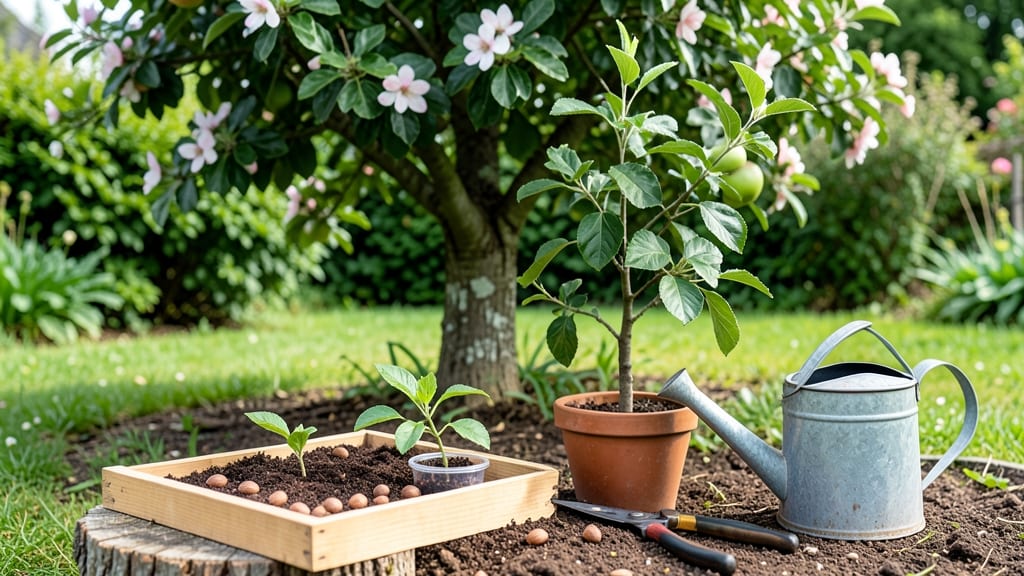
Growing an apple tree from seed to fruit is the ultimate test of gardening patience—but the first bite of that homegrown apple makes every year of waiting worth it. 🌱 I’ve watched my own seedling go from a tiny sprout to a tree heavy with fruit, and I’m here to share exactly how to replicate that journey, even if you’ve never grown a tree before.
The process starts with a simple apple seed, but it takes 4-7 years before you’ll see fruit, and proper care is everything. You’ll need rich, well-draining soil, full sun, and consistent watering—but the biggest secret is understanding how to prune for strong structure and encourage pollination.
Most people quit before they see results, but those who stick with it get a tree that’s uniquely theirs.
By the time you’re harvesting, your tree will be disease-resistant, drought-tolerant, and producing fruit that tastes nothing like store-bought. The first harvest might be small, but each year after that, the crop grows bigger—if you follow the right steps.
I’ll show you how to avoid the most common pitfalls, like weak branching or poor fruit set, so you don’t end up with a beautiful tree and no apples.
This guide works for any climate where apples grow, whether you’re in a cold northern zone or a milder southern region. The key is adapting your care to your local conditions—so let’s get that seed in the ground and start the long, rewarding journey to your own homegrown orchard.
📚 In This Guide
- What you need
- Instructions
- Tips and common mistakes
- Wrapping up and next steps
What you need
- ● Apple seeds: 3–5 fresh seeds from a non-hybrid apple variety (e.g., Granny Smith, Fuji, or Honeycrisp). 💡 Pro tip: Seeds from store-bought apples may not grow true to the parent fruit!
- ● Potting soil: 1–2 bags of high-quality, well-draining seed-starting mix (avoid garden soil—it’s too dense!).
- ● Small pots or seed trays: 4–6 biodegradable pots (2–3 inches deep) or a seed tray with individual cells.
- ● Plastic wrap or humidity dome: To create a mini greenhouse effect for germination.
- ● Spray bottle: For gentle watering (avoid over-saturating seeds!).
- ● Grow lights or sunny windowsill: A full-spectrum LED grow light (12–16 hours/day) or a south-facing window with bright, indirect light.
- ● Fertilizer: A balanced, water-soluble fertilizer (5-10-5 ratio) for young seedlings.
- ● Heating mat ($10–$20): Speeds up germination (70–75°F is ideal).
- ● pH tester: Ensures soil pH is between 6.0–7.0 (apples prefer slightly acidic soil).
- ● Label markers: To track seed varieties (especially if testing multiple types!).
- ● Compost or worm castings: Boosts soil fertility for transplanting.
- ● Tree supports (later stage): Stakes or cages for young trees as they grow taller.
Step-by-Step instructions for growing apple trees from seed
Here's how to nurture a seedling into a fruit-bearing tree with proper patience and care.
🌱 Step 1: Stratify and Plant the Seeds
First, gather fresh apple seeds from organic apples—avoid store-bought varieties, as they often won't produce true fruit. Place the seeds in a sealed container with slightly damp peat moss or a paper towel, then refrigerate for 6-8 weeks. This cold treatment mimics winter and breaks seed dormancy. Check weekly to ensure the mix stays moist but not soggy.
After stratification, plant the seeds ½ inch deep in individual 3-inch pots filled with a mix of 50% potting soil and 50% perlite. Keep the pots in a warm, sunny spot (around 70°F) and maintain consistent moisture. Germination can take 3-6 weeks, so be patient—you'll know it's working when tiny green sprouts push through the soil.
🌿 Step 2: Grow Seedlings Indoors for One Season
Once sprouted, place seedlings under a grow light for 14-16 hours daily to prevent leggy growth. Rotate the pots weekly so they grow straight. When the first true leaves (not the initial seed leaves) appear, fertilize lightly with a balanced 10-10-10 fertilizer diluted to half strength. Overwatering is the biggest risk here—keep soil moist but never waterlogged.
By late spring, your seedlings should be 6-12 inches tall. Harden them off by gradually exposing them to outdoor conditions over 2 weeks before transplanting. Choose a sunny, sheltered spot in your yard for the next phase—apple trees need full sun and well-draining soil to thrive.
✂️ Step 3: Transplant and Prune for Strong Growth
Dig a hole twice as wide as the root ball but no deeper. Place the seedling in the center, backfill with native soil, and water deeply to settle it. Mulch around the base with 2-3 inches of organic mulch to retain moisture and suppress weeds. In the first year, focus on pruning to shape the tree—remove any crossing branches and cut back leggy growth to encourage bushier growth.
Apple trees grown from seed take 5-10 years to bear fruit, but proper care now ensures a strong structure. Watch for signs of stress like yellowing leaves—this usually means too much water or poor drainage. Adjust your watering schedule so the soil stays consistently moist but never saturated.
☀️ Step 4: Maintain and Pollinate for Fruit Development
Once your tree reaches 3-5 feet tall, begin annual pruning in late winter to remove dead wood and shape the canopy. Apple trees need cross-pollination to produce fruit, so plant a second variety nearby if you don’t already have one. Thin developing fruit in early summer to 6-8 inches apart—this ensures larger, higher-quality apples and reduces stress on the tree.
Fertilize in early spring with a high-nitrogen fertilizer to promote leafy growth, then switch to a balanced fertilizer once flowers appear. Monitor for pests like aphids or codling moths—early intervention with organic sprays keeps your tree healthy. With consistent care, you’ll eventually see blossoms, then fruit, proving your patience was worth it.
Tips & tricks for growing apple trees from seed
Here's what I learned after nurturing my own apple trees—these tricks will help you avoid common pitfalls and give your seedlings the best start.
Stratification Success: Don't rush the 6-8 week cold treatment in Step 1. I learned this the hard way—seeds that didn't get proper stratification either took months to germinate or never sprouted at all. Place a small piece of tape over the container to mark the date, so you remember when to check for sprouts. The damp peat moss should feel like a wrung-out sponge—too wet and seeds rot, too dry and they won't break dormancy.
Lighting Strategy: For Step 2, if you don't have a grow light, place your seedlings near a south-facing window where they'll get at least 14-16 hours of indirect sunlight daily. I noticed my seedlings grew leggy when they didn't get enough light—this is your tree's way of reaching for more sunlight. Rotate the pots weekly so they grow straight rather than leaning toward the light source.
Transplanting Timing: When hardening off seedlings in Step 2, start with just 30 minutes outside on the first day, then gradually increase exposure. I used a small shade cloth on sunny days to prevent sunburn. The key is to mimic outdoor conditions slowly—think of it like acclimating yourself to a new climate. By the end of the 2-week period, your seedlings should be able to handle full sun exposure.
Pruning Insight: In Step 3, when pruning young trees, focus on creating an open center rather than just removing dead branches. This allows sunlight and air to reach the inner branches, preventing disease. I made the mistake of being too aggressive with my first pruning—now I aim to remove no more than 25% of the tree's foliage in any single session. Always use clean, sharp pruners to make clean cuts just above a bud or branch collar.
Pro Tips for Apple From Seed To Fruit
- Here's what I learned after nurturing my own apple trees—these tricks will help you avoid common pitfalls and give your seedlings the best start.
- Stratification Success: Don't rush the 6-8 week cold treatment in Step 1.
- Lighting Strategy: For Step 2, if you don't have a grow light, place your seedlings near a south-facing window where they'll get at least 14-16 hours of indirect sunlight daily.
Frequently asked questions
Got questions about growing apples from seed? You’re not alone!
Here are answers to the most common queries to help you navigate this rewarding (but patient) journey.
How long does it take for an apple seed to grow into a fruit-bearing tree?
Be patient—it’s a marathon, not a sprint! On average, apple trees grown from seed take 5 to 10 years to produce fruit. Some varieties may never fruit reliably because seeds often don’t inherit the parent tree’s traits. For faster results, consider grafting or buying a young tree from a nursery.
Can I grow any apple variety from seed, or do I need a specific type?
You can grow any apple from seed, but the fruit won’t match the parent tree. Seeds produce wild apples (called "seedlings") with unpredictable flavors, sizes, and growing habits. If you want a specific variety (like Honeycrisp or Fuji), start with a grafted tree or ask a local orchard for cuttings.
What’s the best climate for growing apple trees from seed?
Apple trees thrive in USDA Hardiness Zones 3–8, where they get full sun (6+ hours/day) and well-draining soil. Cold winters (to break dormancy) and warm summers are ideal. If you live in a hot, humid, or tropical climate, consider dwarf varieties or container growing for better control.
Why did my apple seedling die? How can I prevent this?
Seedlings often fail due to overwatering, poor drainage, or pests/disease. To save yours:
- Use a mix of potting soil + perlite for airflow.
- Water only when the top inch of soil is dry.
- Watch for aphids or fungus—spray with neem oil if needed.
- Transplant carefully to avoid root damage.
Can I speed up the process by using a different method, like grafting?
While growing from seed is fun and educational, grafting lets you clone a favorite variety in 2–3 years. You’ll need:
- A rootstock (sapling) and a scion (cutting from a fruiting tree).
- Pruning tools, grafting tape, and sealing wax.
- Patience (and a YouTube tutorial!).
Wrapping up and next steps
Growing an apple tree from seed is a rewarding journey that blends patience, science, and a touch of magic—because nothing beats the pride of biting into a fruit you nurtured from scratch! 🌱 While the process takes time, every step—from selecting the right seed to pruning and pollinating—teaches you the art of gardening.
Remember, even if your first tree isn’t perfect, you’re already winning by trying.
Ready to take the next step? Start small:
- 🌱 Plant a seed—even if it’s just for fun or learning.
- 📝 Journal your progress to track growth and troubleshoot.
- 🍎 Share your story with fellow gardeners for tips and encouragement!