
Lawn
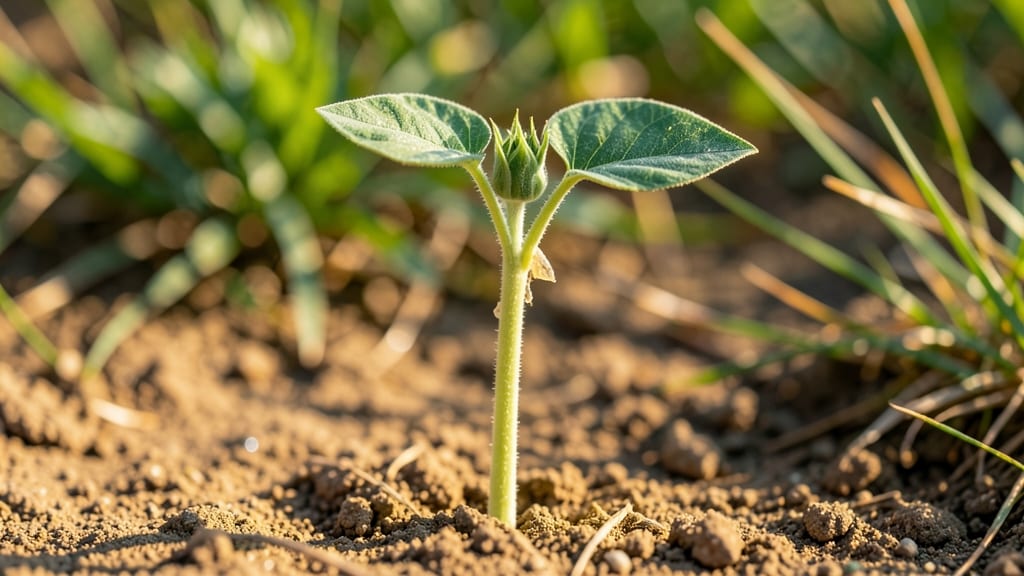
A seed in the sun transforms a garden from ordinary to extraordinary. ✨ The right annuals turn your yard into a vibrant, sun-drenched oasis where every corner feels alive with color and movement.
I’ve designed spaces where bold blooms like zinnias, cosmos, and marigolds create a nonstop summer spectacle that never fades—just keeps giving, week after week.
This isn’t about random planting; it’s about intentional sunlit drama. Picture a pathway lined with towering sunflowers that catch the afternoon light, or a mixed border where fiery reds, deep purples, and sunny yellows dance together.
The key is choosing plants that thrive in full sun and pair their bloom times so your garden never loses its sparkle. Even small spaces can shine with the right selection—think window boxes, container gardens, or a single statement pot.
By the end of summer, you’ll have a garden that feels like a celebration. Kids will chase butterflies through the flowers, neighbors will pause to admire your front yard, and you’ll finally understand why some spaces feel magical.
The secret? Letting the sun do the work while you arrange the stars—bold annuals that never quit blooming.
Works for any sunny spot—city balconies, suburban backyards, or country lanes. Let’s make your garden the talk of the neighborhood with plants that love the sun as much as you do.
📚 In This Guide
- What you need
- Instructions
- Tips and common mistakes
- Wrapping up and next steps
What you need
- ● Annual flower seeds: Choose from sun-loving varieties like Zinnias, Marigolds, Sunflowers, or Cosmos (1–2 packets per variety, ~50–100 seeds each).
- ● High-quality potting soil: 10–20 lbs (or 2–4 bags) of well-draining, organic mix (e.g., Miracle-Gro or FoxFarm).
- ● Containers or garden beds: Containers: 5–10-inch pots (4–6 per variety) with drainage holes.
- ● Garden beds: Full-sun spots (6+ hours of direct light daily).
- ● Seeding trays or biodegradable pots: 1–2 trays (72-cell) or 50+ small pots for starting seeds indoors.
- ● Slow-release fertilizer: 1 lb (or 1–2 tbsp per plant) of 10-10-10 or organic options like fish emulsion.
- ● Basic gardening tools: Hand trowel (for transplanting).
- ● Pruners (for deadheading).
- ● Watering can or hose with a gentle spray nozzle.
- ○ Optional (but helpful!): Grow lights (for indoor seed starting).
- ● Mulch (straw or shredded leaves to retain moisture).
- ● Stakes or cages (for tall varieties like sunflowers).
- ● pH test kit (to ensure soil pH 6.0–7.0 for optimal growth).
- ● 🌡️ Timing: Start seeds indoors 4–6 weeks before your last frost date, or sow directly after soil warms (60°F+).
- ● ✨ Sunlight: Ensure your chosen spot gets full sun (6+ hours/day)—these bloomers are thirsty for light!
- ● 💧 Watering: Keep soil consistently moist (not soggy) until seeds sprout, then water deeply 1–2x/week.
Instructions for planting bold annuals for nonstop summer blooms
Here's how to create a vibrant, long-lasting display with sun-loving annuals that keep flowering until frost.
🌱 Step 1: Prepare the Planting Site for Maximum Sun Exposure
Choose a location that receives at least 6-8 hours of direct sunlight daily—this is non-negotiable for bold annuals. Clear the area of weeds and loosen the soil to a depth of 8-12 inches using a garden fork or tiller. The goal is to create a fluffy, well-aerated bed where roots can spread easily.
If your soil feels compacted or clay-heavy, mix in 2-3 inches of compost to improve drainage and nutrient availability. Work it into the top layer of soil until it's evenly distributed. For containers, ensure pots have drainage holes and fill with a lightweight potting mix designed for annuals.
☀️ Step 2: Plant Seeds or Transplants at the Right Depth and Spacing
For seeds, follow the packet instructions for depth—most bold annuals like zinnias, marigolds, and sunflowers should be planted ¼ to ½ inch deep. Space seeds 12-18 inches apart to allow airflow and prevent overcrowding, which can lead to disease. I like to use a small stick or pencil to create holes and drop 2-3 seeds per spot for better germination rates.
If using transplants, dig holes just deep enough to cover the root ball completely. Space plants according to their mature size—zinnias need 12 inches, while sunflowers may require 24 inches. Gently firm the soil around each plant to eliminate air pockets, then water deeply to settle everything in place.
💧 Step 3: Water Deeply and Consistently to Encourage Strong Roots
After planting, water the bed thoroughly until the soil is 6 inches deep and evenly moist. You'll know it's right when water runs out the bottom of containers or puddles briefly on the surface before soaking in. Watering deeply encourages roots to grow downward, making plants more drought-resistant once established.
For the first 2-3 weeks, keep the soil consistently moist—never soggy. Check daily by sticking your finger 1 inch into the soil. If it feels dry, water again. Overwatering at this stage can lead to fungal issues, so avoid wetting the foliage when possible. Mulch around plants with 1-2 inches of organic mulch to retain moisture and suppress weeds.
✂️ Step 4: Deadhead Regularly to Prolong Blooming Season
Once flowers begin to fade, pinch off spent blooms by gently twisting or snipping them just above the next set of leaves. This simple step redirects the plant's energy from seed production to creating new flowers. I do this every 3-4 days during peak bloom to keep my beds looking fresh and encourage nonstop flowering.
For annuals like zinnias and cosmos, you'll also want to trim back leggy stems by ⅓ of their height mid-season. This promotes bushier growth and more abundant blooms. Always use clean, sharp pruners to avoid damaging the plant or spreading disease. Fertilize lightly with a balanced, water-soluble fertilizer every 4-6 weeks to support continuous growth.
🌿 Step 5: Monitor and Adjust for Pest and Disease Prevention
Keep an eye out for common pests like aphids or spider mites, which thrive in hot, dry conditions. If you spot them, spray plants with a strong stream of water to dislodge pests or use an insecticidal soap. Early intervention is key—waiting until the problem spreads can be difficult to fix.
Ensure good airflow around plants by avoiding overcrowding and pruning back any dense foliage. If you notice yellowing leaves or powdery mildew, reduce watering slightly and water in the early morning instead of evening. Most bold annuals are tough once established, but a little preventative care goes a long way in keeping them thriving all summer long.
Tips & tricks for perfect sun-loving annuals
These simple strategies will help your bold annuals thrive and bloom all season long.
Sunlight Secret: That 6-8 hours of sunlight is non-negotiable, but here's the thing—morning sun is actually more beneficial than afternoon heat. If you're planting in hotter climates, provide afternoon shade during the hottest months to prevent wilting. I've noticed zinnias and marigolds handle morning sun beautifully while still getting plenty of light.
Soil Prep Pro Tip: When loosening soil to 8-12 inches deep in Step 1, don't be afraid to go deeper if your area has compacted soil. I've found that adding a handful of perlite to the compost mix improves drainage even more. This creates the perfect environment for those deep roots to establish and reach for water during dry spells.
Seed Starting Strategy: For the ¼ to ½ inch seed depth in Step 2, use your finger as a guide—it's about the width of your smallest knuckle. I like to create small hills of soil and place seeds on top before gently pressing them in. This ensures consistent depth and prevents overcrowding, which is especially important for sunflowers that need their space to grow.
Watering Wisdom: That 6-inch deep watering in Step 3 is crucial, but timing matters too. Water in the early morning so foliage has time to dry completely before evening. I've seen fungal issues disappear completely after making this simple switch. For containers, check soil moisture by lifting the pot—if it feels light, it's time to water.
Pro Tips for A Seed In The Sun
- These simple strategies will help your bold annuals thrive and bloom all season long.
- Sunlight Secret: That 6-8 hours of sunlight is non-negotiable, but here's the thing—morning sun is actually more bene...
- Soil Prep Pro Tip: When loosening soil to 8-12 inches deep in Step 1, don't be afraid to go deeper if your area has c...
Frequently asked questions
Got questions about keeping your garden bursting with color all season long? Here are some of the most common queries about growing bold annuals that thrive in the sun—plus straightforward answers to help you succeed.
What are the easiest annuals to plant for continuous blooms?
Start with sun-loving powerhouses like Zinnias, Marigolds, or Cosmos. These thrive in heat, resist pests, and self-seed for next year. For extra drama, add Lantana or Pentas—they’re drought-tolerant and bloom like crazy with minimal fuss!
How long does it take for seeds to sprout and bloom?
Most annuals sprout in 7–14 days (check seed packets for specifics). From seed to first bloom? Expect 6–10 weeks for fast growers like Sunflowers or Zinnias. Pro tip: Deadhead spent blooms to encourage nonstop reblooming all summer!
How often should I water these plants?
Water deeply 2–3 times per week during dry spells, aiming for 1–1.5 inches of water. Once established (after 4–6 weeks), most annuals are drought-tolerant—but mulch helps retain moisture. Morning watering prevents fungal issues and keeps blooms vibrant.
Can I grow these in containers or just in-ground?
Annuals like Petunias or Geraniums thrive in containers (use 5–10 gallon pots for multiple plants). Ensure pots have drainage holes and use a lightweight potting mix. For in-ground, amend soil with compost to boost drainage and fertility.
What’s the best way to keep pests away?
Prevent pests with neem oil or companion planting (e.g., Marigolds deter aphids). Remove yellowing leaves promptly—pests love weak plants! For heavy infestations, try insecticidal soap (safe for blooms). Rotate crops yearly to break pest cycles.
Wrapping up and next steps
A seed in the sun isn’t just a dream—it’s a vibrant reality waiting to unfold in your garden! 🌱 By choosing bold annuals like zinnias, marigolds, and cosmos, you’ve unlocked the secret to a nonstop summer of color, resilience, and joy. These plants aren’t just pretty faces; they’re low-maintenance superstars that thrive with minimal effort, turning your outdoor space into a lively oasis.
Now that you’re armed with the right tools, tips, and confidence, it’s time to roll up your sleeves and plant. Start small—pick one sunny corner or a pot on your patio—and watch your garden transform into a living masterpiece.
Before you know it, you’ll be swapping "maybe next year" for "look what I grew!" 🌸
Your next step? Grab those seeds, mark your calendar, and let the sun do the rest. The blooms (and bragging rights) are 100% worth it.